core-jmp

core-jmp

death of core jump

  • Home
  • windows
  • Reverse Engineering
  • exploitation
  • shellcode
  • About
  • Privacy Policy

Home

Monthly Archives: March 2026

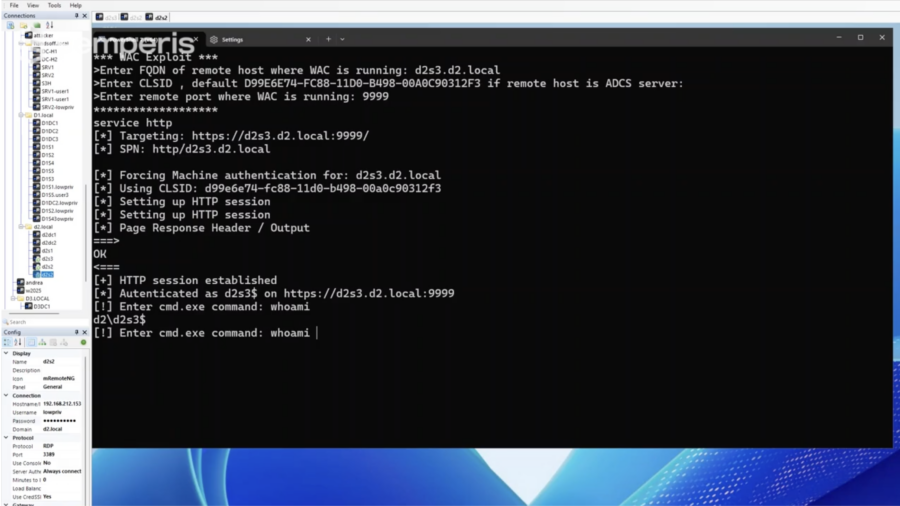
What You Need to Know: Windows Admin Center Remote Privilege Escalation (CVE-2026-26119)

What You Need to Know: Windows Admin Center Remote Privilege Escalation (CVE-2026-26119)

CVE-2026-26119 is a high-severity privilege-escalation flaw in Windows Admin Center caused by improper authentication. Attackers with low-privileged access could gain admin rights and potentially compromise entire domains.
Read More
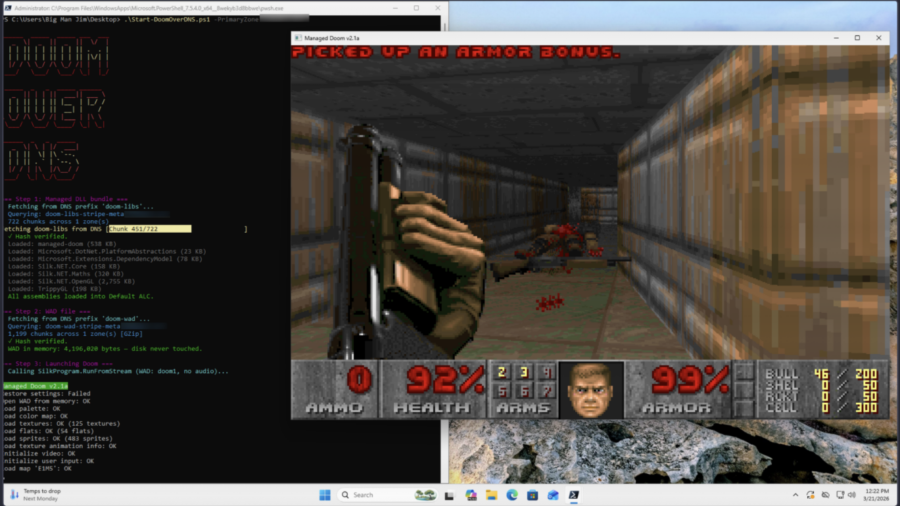
Can it Resolve DOOM? Game Engine in 2,000 DNS Records

Can it Resolve DOOM? Game Engine in 2,000 DNS Records

The article shows a proof-of-concept where DOOM is stored across ~2,000 DNS TXT records and executed directly from memory. A PowerShell loader reconstructs the binary via DNS queries, illustrating how DNS can act as a covert payload delivery system.
Read More
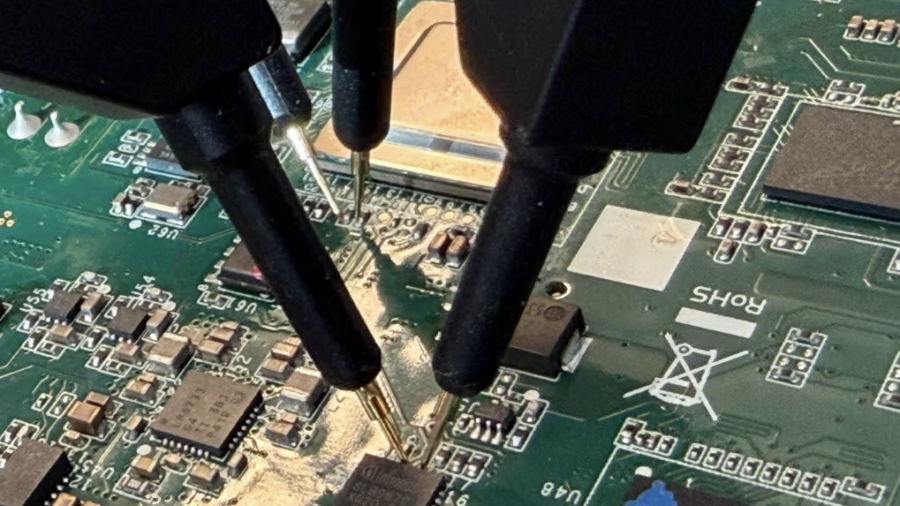
(CVE-2026-0714) TPM-sniffing LUKS Keys on an Embedded Device

(CVE-2026-0714) TPM-sniffing LUKS Keys on an Embedded Device

Researchers discovered CVE-2026-0714 where a Moxa embedded device leaks its LUKS disk key in plaintext over the TPM SPI bus during boot. By sniffing TPM communication with a logic analyzer, attackers with physical access can recover the encryption key.
Read More
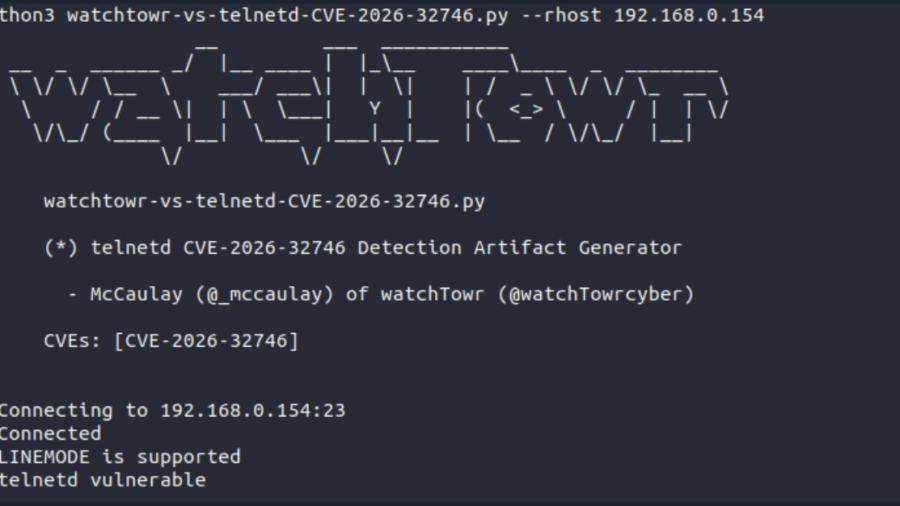
A 32-Year-Old Bug Walks Into A Telnet Server (GNU inetutils Telnetd CVE-2026-32746 Pre-Auth RCE)

A 32-Year-Old Bug Walks Into A Telnet Server (GNU inetutils Telnetd CVE-2026-32746 Pre-Auth RCE)

The article analyzes CVE-2026-32746, a decades-old vulnerability in GNU Inetutils telnetd where a malformed LINEMODE SLC option triggers an out-of-bounds write, enabling unauthenticated remote exploitation.
Read More
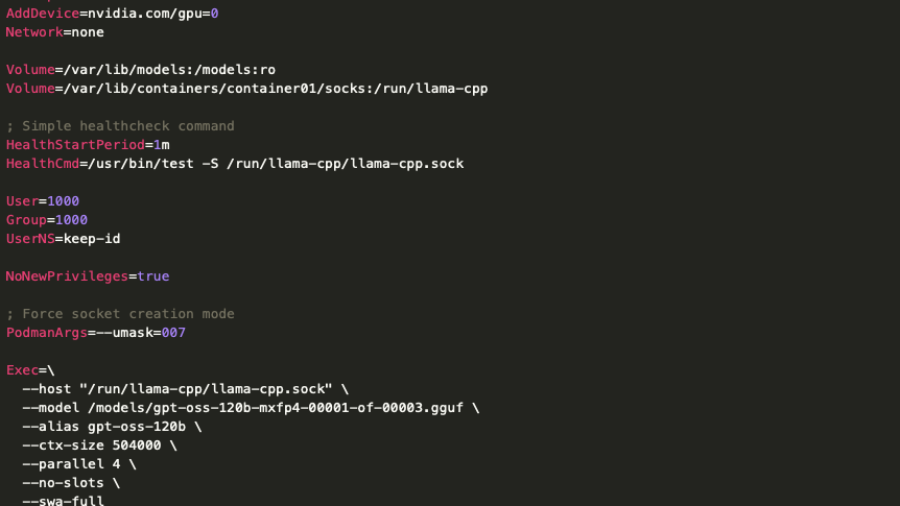
When Local AI Becomes an Attack Vector: A Deep Dive into LLM Infrastructure Security

When Local AI Becomes an Attack Vector: A Deep Dive into LLM Infrastructure Security

The article analyzes a real deployment of a low-privileged on-prem LLM server and shows that even restricted models can expose internal systems through APIs, RAG pipelines, and data access, creating new enterprise attack surfaces.
Read More
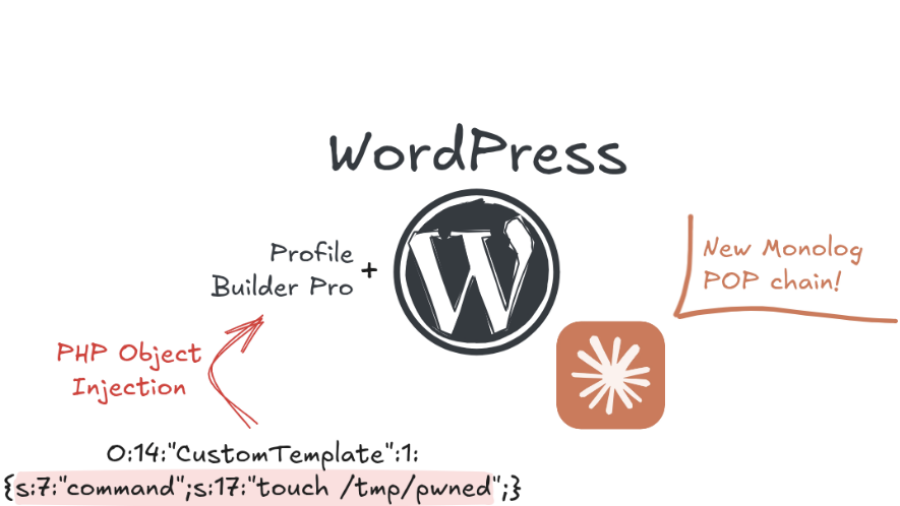
Exploiting a PHP Object Injection in Profile Builder Pro in the era of AI

Exploiting a PHP Object Injection in Profile Builder Pro in the era of AI

The article explains how researchers exploited an unauthenticated PHP Object Injection in the WordPress plugin Profile Builder Pro, showing how AI tools can accelerate vulnerability discovery and exploit development in modern web applications.
Read More
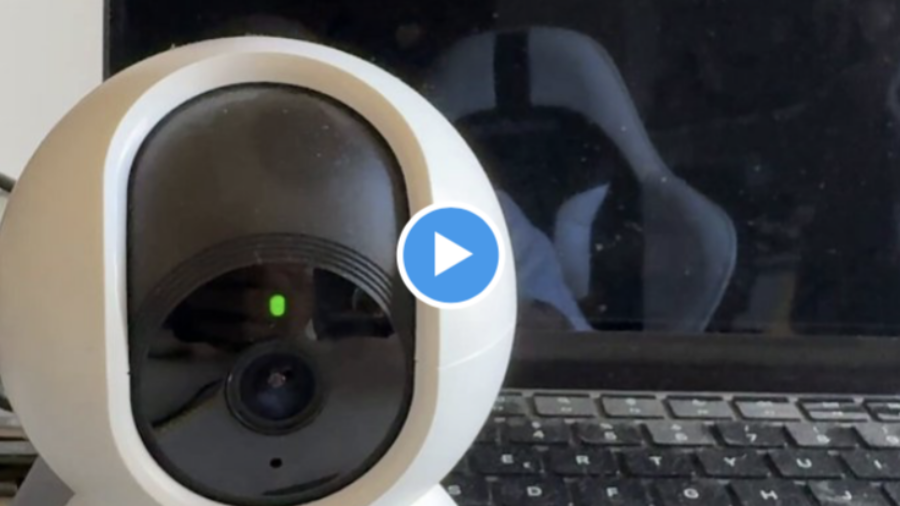
TP-Link Tapo C200: Hardcoded Keys, Buffer Overflows and Privacy in the Era of AI Assisted Reverse Engineering

TP-Link Tapo C200: Hardcoded Keys, Buffer Overflows and Privacy in the Era of AI Assisted Reverse Engineering

The article shows how AI-assisted reverse engineering of the TP-Link Tapo C200 firmware uncovered hardcoded keys, buffer overflows, and insecure APIs, demonstrating how IoT devices can expose users to remote compromise and privacy risks.

Read More
Booting into Trust: Reverse Engineering macOS Secure Boot Internals

Booting into Trust: Reverse Engineering macOS Secure Boot Internals

The article analyzes the macOS secure boot chain on Apple Silicon, showing how Boot ROM, cryptographic verification, Secure Enclave, and staged bootloaders create a hardware-anchored chain-of-trust that protects the OS from power-on to kernel startup.
Read More
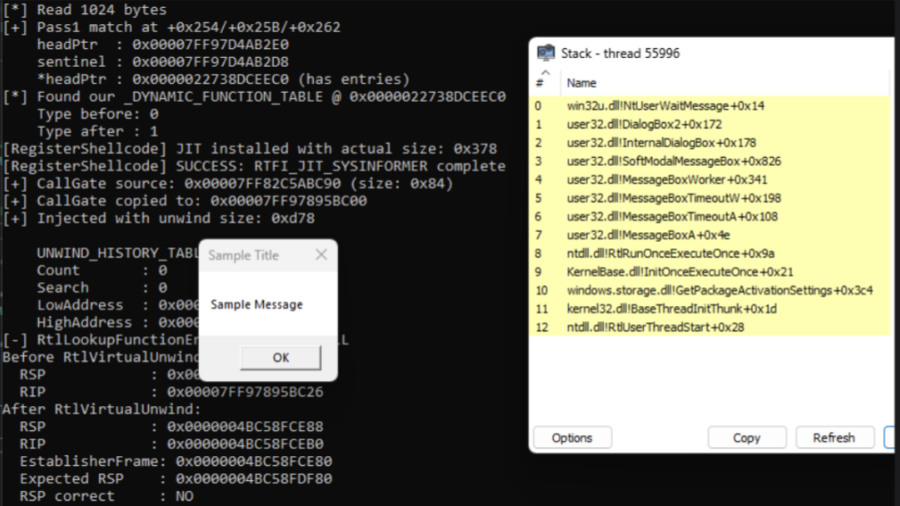
Invisible Execution: Hiding Malware with Unwind Metadata Manipulation

Invisible Execution: Hiding Malware with Unwind Metadata Manipulation

The article introduces BYOUD, a Windows evasion technique that manipulates unwind metadata to spoof call stacks without altering return addresses, allowing malware to bypass EDR stack inspection and appear as legitimate execution.
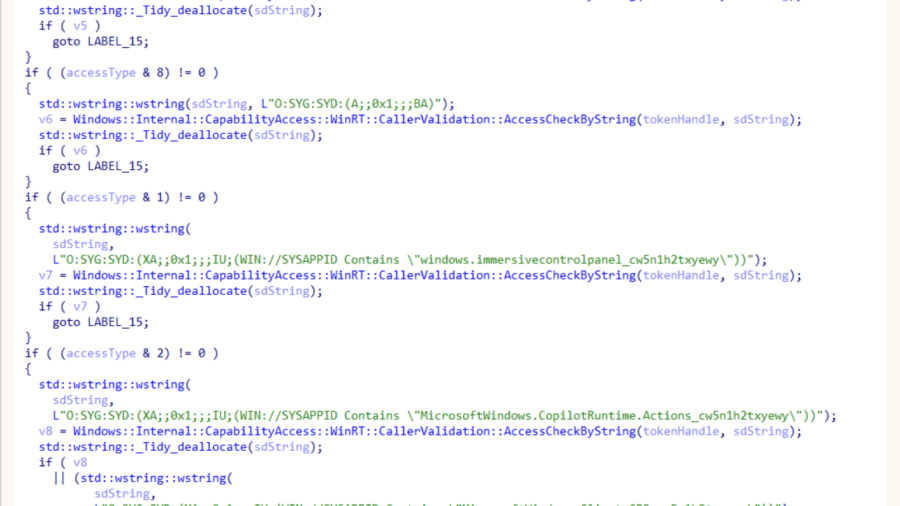
Read More
ODR: Internals of Microsoft's New Native MCP Registration

ODR: Internals of Microsoft’s New Native MCP Registration

The article explains Microsoft’s ODR mechanism for native MCP registration, enabling AI agents to discover and invoke system tools through the Model Context Protocol, preparing Windows for secure agent-driven workflows and integrations.

Read More
  • First
  • Previous
  • 1
  • 2
  • 3
  • 4
  • 5
  • ...
  • 7
  • Next
  • Last

Recent Posts

  • 89 vulnerabilities in XAPI / Citrix XenServer
  • Patchless AMSI Bypass via Page Guard Exceptions
  • A Step-by-Step Guide to Uncovering Vulnerabilities in a Mobile App
  • How Kernel Anti-Cheats Work: A Deep Dive into Modern Game Protection
  • A Shortcut to Coercion: Incomplete Patch of APT28’s Zero-Day Leads to CVE-2026-32202

Archives

  • April 2026
  • March 2026
  • February 2026
  • January 2026
  • November 2025
  • September 2025

Active Directory Active Directory Security Application Security byovd bypass cpp EDR EDR Bypass EDR Evasion EDREvasion Embedded Security Endpoint Security Exploit Development Firmware Reverse Engineering Hardware Hacking Hardware Security injection IoT Security Kernel Debugging Kernel Exploitation macOS Security Malware Analysis Malware Development Memory Corruption Offensive Security Post-Exploitation PPL Privilege Escalation Process Injection red team RedTeam Red Teaming Red Team Techniques remote code execution Reverse Engineering Security Research shellcode Vulnerability Research WinDBG windows Windows 11 Windows Internals Windows Kernel Windows security WindowsSecurity

Categories

  • .NET
  • access
  • ACE
  • ACL
  • Active Directory
  • Active Directory
  • AD CS
  • Administrator
  • AI Agents
  • AI Security Research
  • alloc
  • ALPC
  • AMSI
  • Android
  • Antivirus
  • Apache Tomcat
  • APC
  • Apple Silicon
  • ASM
  • ASR
  • attaks
  • Audio
  • AV
  • BIOS
  • BitLocker
  • Blue team
  • Bluetooth
  • Boot ROM
  • Broadcom
  • BSoD
  • buffer overflow
  • BYOUD
  • BYOVD
  • Bypassing
  • Cache
  • Callbacks
  • Camera
  • CI/CD
  • CIMOM
  • Cisco
  • Citrix
  • Claude AI
  • CLFS
  • cmd
  • COM
  • Command Injection
  • Containers
  • Copilot
  • Cortex XDR
  • CPL
  • cpp
  • CPU
  • Credential Attacks
  • Crypt
  • Cryptography
  • CryptoPro
  • CSRF
  • DCOM
  • Debug
  • Defender
  • DEP
  • Deserialization
  • DFIR
  • DLL Sideloading
  • DMA
  • DNS
  • Driver
  • dump
  • EDR
  • Embedded
  • Encryption
  • Escalation
  • ESP32
  • ESXi
  • Evasion
  • Eventlog
  • Exploit Development
  • exploitation
  • filesystem
  • firmware
  • Flash
  • FreeBSD
  • Gadgets
  • GATT
  • Ghidra
  • Hardware
  • Hooking
  • Hyper-V
  • Hypervisor
  • Impacket
  • impact
  • Injection
  • IOCTL
  • IoT
  • IPC
  • IRP
  • Java
  • JIT
  • JWT Security
  • Kerberos
  • kernel
  • kernel-mode
  • LDAP Relay
  • Library
  • Linux
  • LLM
  • LLM Exploit Development
  • LNK
  • Loader
  • LOLExfil
  • LSA
  • LSASS
  • Machine Learning
  • MacOS
  • Malware
  • MCP
  • MS-DOS
  • MS-EVEN
  • MS-LSAD
  • MS-SAMR
  • Network
  • NTLM Relay
  • NVMe
  • ODR
  • Palo Alto
  • PBA
  • PCI
  • PEB
  • Penetration Testing
  • PHP
  • pipe
  • Plugins
  • PoC
  • powershell
  • powershell
  • PPL
  • Privilege
  • Privilege Escalation
  • Protection
  • PXE
  • Python
  • QEMU
  • Race Condition
  • radare2
  • RCE
  • Recall
  • Recovery mode
  • RedTeam
  • Registry
  • Reverse Engineering
  • root
  • ROP
  • RPC
  • RTTI
  • Rust
  • SAM
  • Secure Boot
  • Security
  • Security
  • shellcode
  • Shortcut
  • SPI Flash
  • Stack Overflow
  • STM32H5
  • TCP/IP
  • TEB
  • Telegram
  • Telnetd
  • TPM
  • UAC
  • UART
  • UEFI
  • Uncategorized
  • USB
  • Use-After-Free
  • user-mode
  • Virtualization
  • VMProtect
  • VMware
  • Warbird
  • WASM
  • WEB
  • winapi
  • winapi
  • WinDBG
  • windows
  • Windows Admin Center
  • Winsock
  • WMI
  • WML
  • Wordpress
  • WSL
  • XenServer
  • Xiaomi
  • XML
  • XNU Kernel
  • XSS
  • XXE
Log in
    © 2026 core-jmp. All rights reserved.
    Shopping Basket