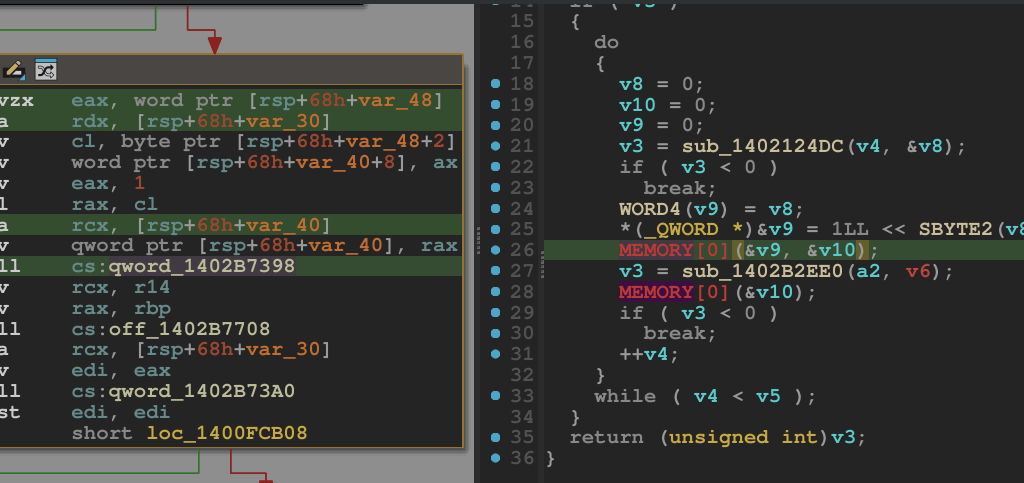
The article shows how Claude Code plus MCP can automate vulnerability hunting with RE, fuzzing, RAG, bounty scoring, and strict validation gates to reduce LLM hallucinations and confirm real bugs.
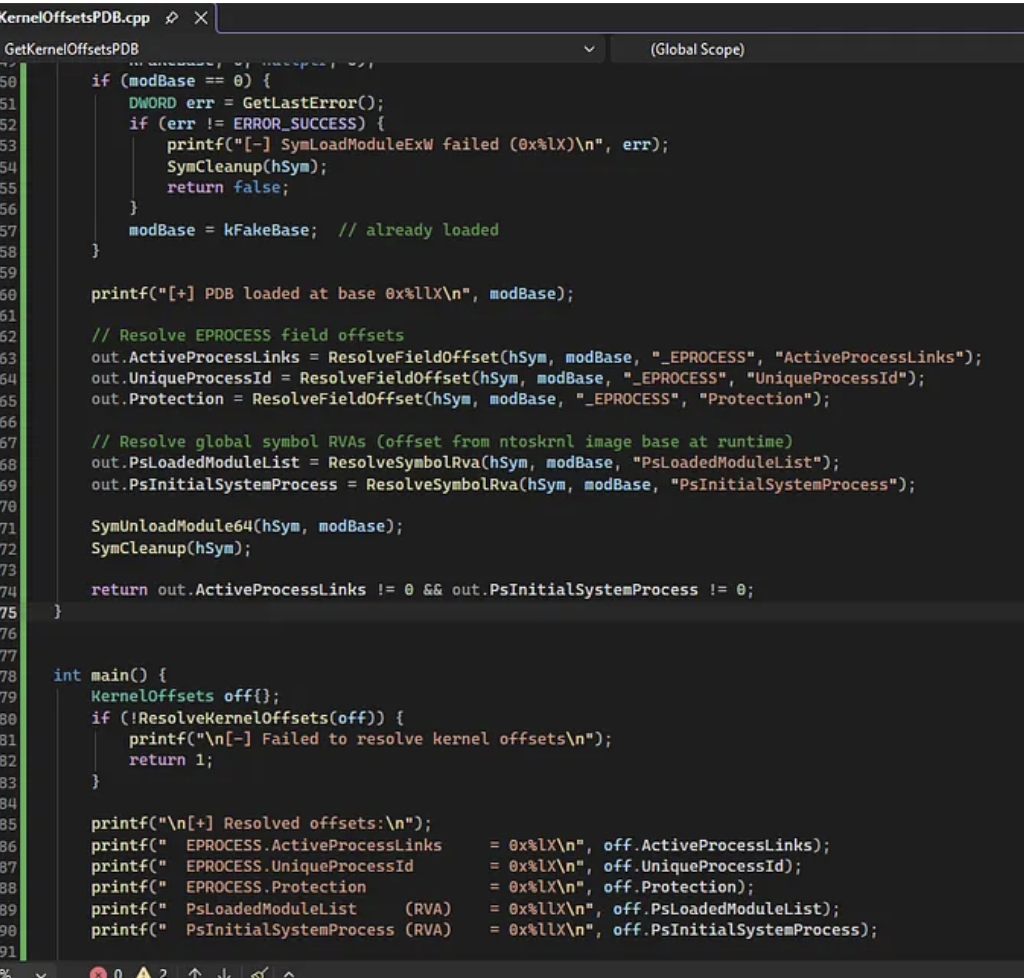
Windows Early Boot Configuration: The CmControlVector and PspSystemMitigationOptions
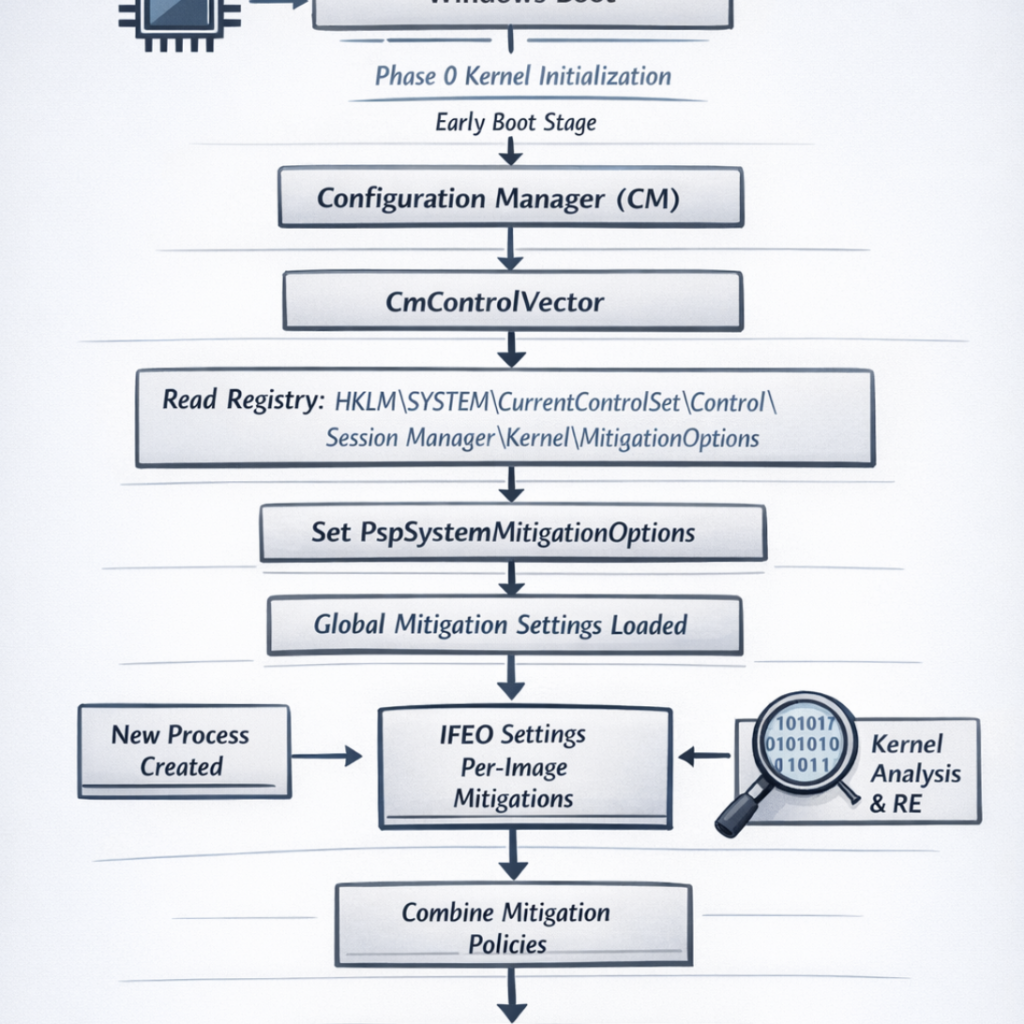
The article explores how Windows loads system-wide exploit mitigation settings during early boot via CmControlVector, populating PspSystemMitigationOptions, which later influences process security flags and mitigation behavior.
Understanding Out-Of-Bounds in Windows Kernel Driver
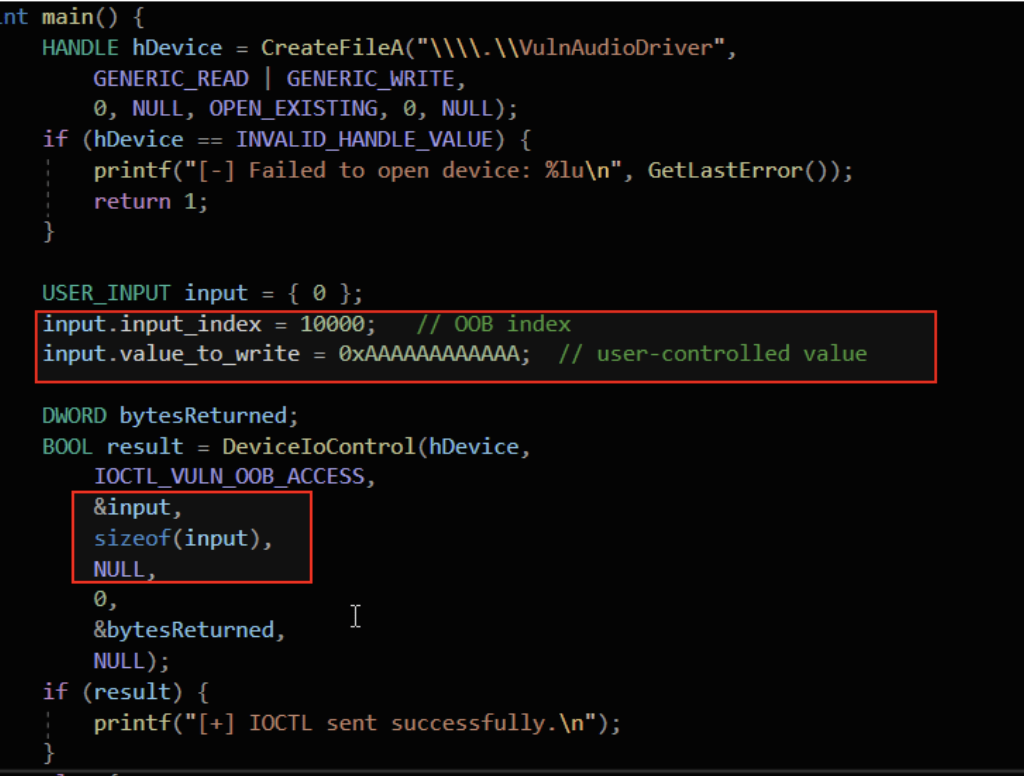
The article explains out-of-bounds vulnerabilities in Windows kernel drivers, showing how unchecked indexes, user-controlled offsets, and unsafe memory copies can cause kernel memory leaks, corruption, privilege escalation, or system crashes.
Async Windows Gone Wrong: Exploiting a Win32k Type Confusion Bug
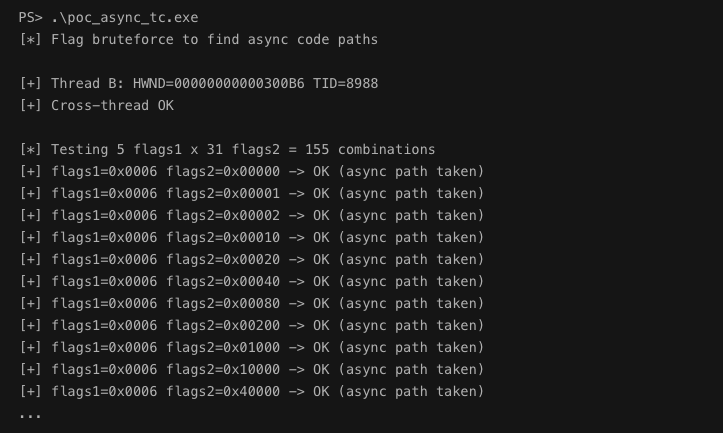
The article analyzes a Win32k type confusion vulnerability in the async window action path of win32kfull.sys. Improper handling of window objects can corrupt kernel structures and potentially enable local privilege escalation.
Breaking the Shield: Unpacking a VMProtected Windows Kernel Driver
A technical walkthrough showing how to unpack a VMProtected Windows kernel driver using WinDbg and dynamic analysis. The guide demonstrates restoring the hidden Import Address Table and dumping a clean driver for reverse engineering.
Debugging – WinDBG & WinDBGX Fundamentals
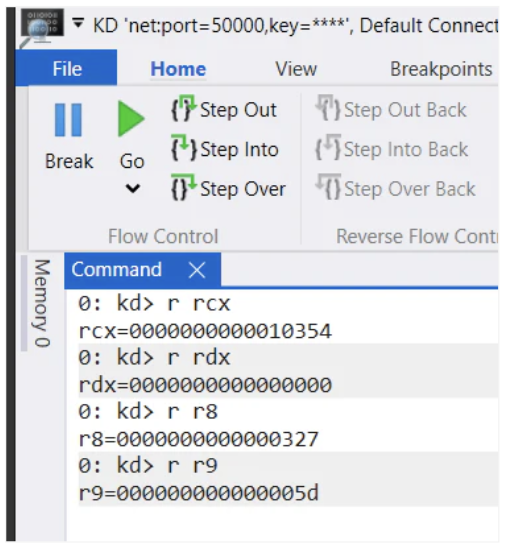
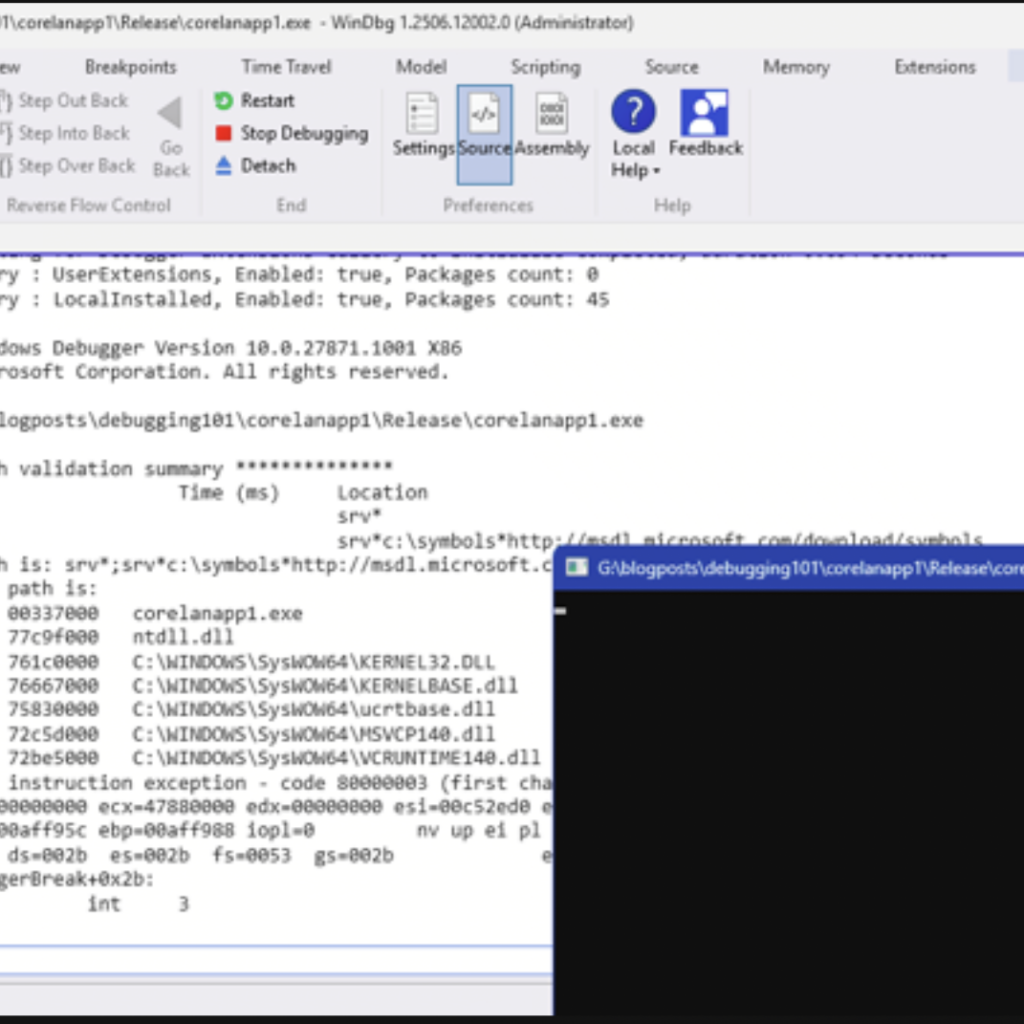
A beginner-friendly guide to debugging Windows programs using WinDbg and WinDbgX. It explains debugger basics, breakpoints, symbols, memory inspection, and execution control—key skills for reverse engineering and vulnerability research.
NT AFD.SYS HTTP Downloader: From First Syscall to bypass the majority of usermode EDR hooks
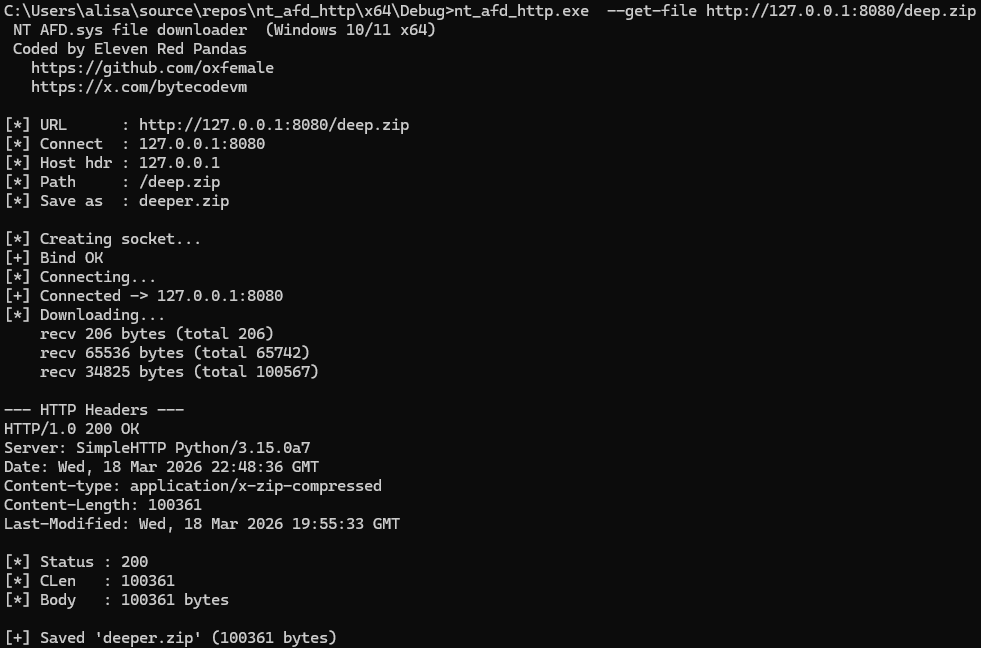
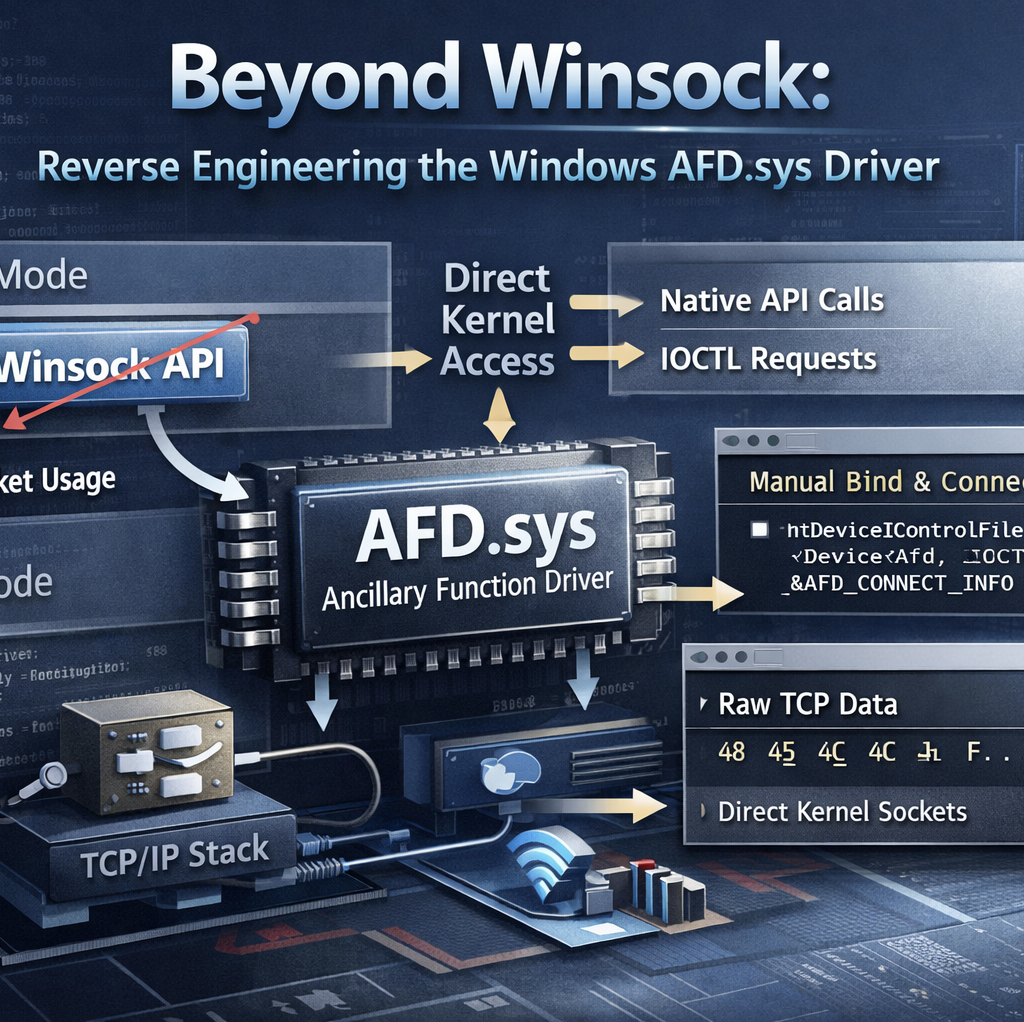
The article demonstrates how to bypass the Winsock layer by communicating directly with the Windows AFD driver using Native API calls. It explains how socket operations can be replicated via IOCTLs and how this reduces reliance on standard networking APIs.
0x00 – Introduction to Windows Kernel Exploitation
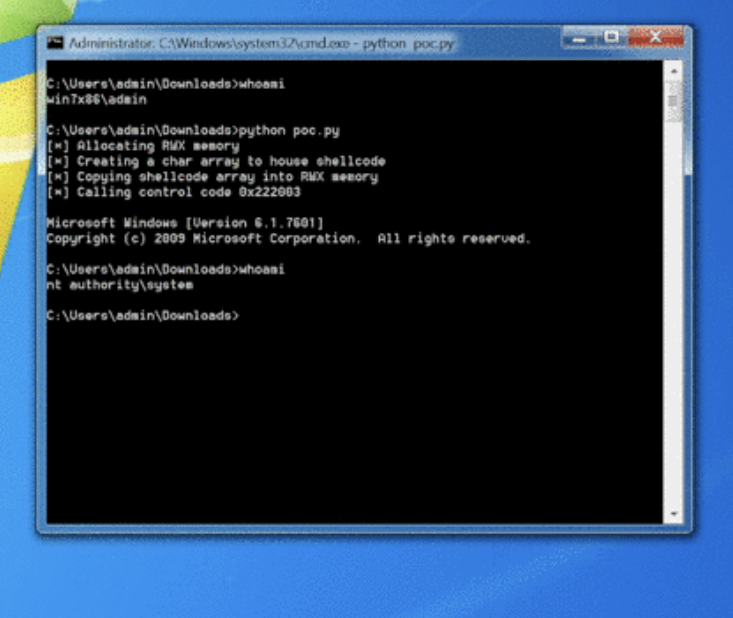
The article introduces Windows kernel exploitation and explains how to build a research lab using tools like WinDbg and the HackSys Extreme Vulnerable Driver (HEVD) to study kernel vulnerabilities and exploit development.
Peeling Back the Socket Layer: Reverse Engineering Windows AFD.sys
The research reverse-engineers Windows AFD.sys, showing how TCP sockets can be created, connected, and used by sending handcrafted IOCTL requests directly to the kernel driver—completely bypassing the Winsock networking API.
Reverse engineering undocumented Windows Kernel features to work with the EDR
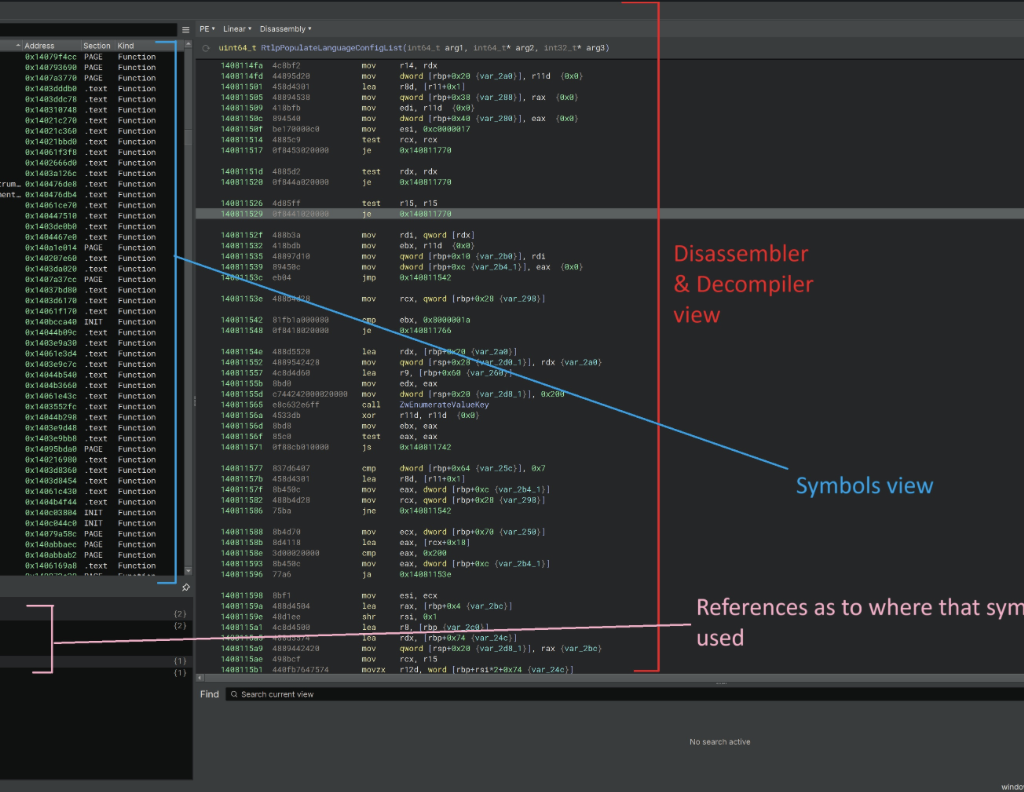
This article demonstrates how to reverse engineer the Windows 11 kernel to understand undocumented internals behind memory operations and ETW Threat Intelligence events, helping security engineers improve EDR telemetry and detect remote process memory writes.