
tabby — A Minimal Position-Independent Windows x64 Shellcode Framework, Built Entirely on Linux

tabby — A Minimal Position-Independent Windows x64 Shellcode Framework, Built Entirely on Linux

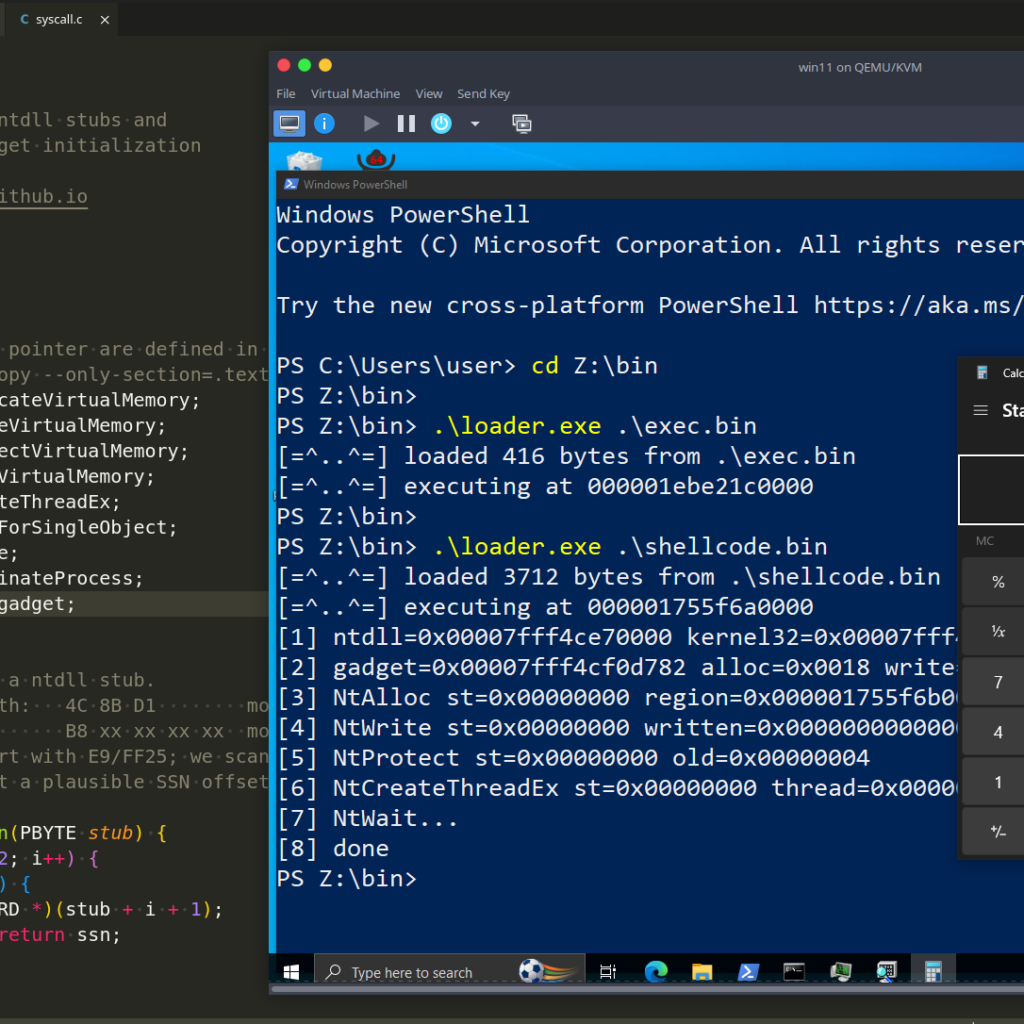
cocomelonc’s tabby is a tiny teaching framework for writing position-independent Windows x64 shellcode in C, with indirect NT syscalls and no IAT, no CRT, no PE header — the whole toolchain runs on Linux via mingw-w64, nasm, a custom linker script, and objcopy. The whole thing is ~500 lines of C plus ~80 of NASM and produces a flat shellcode.bin ready to inject.

BusyWork: Replacing Sleep with Real Work to Break Behavioral Detection

BusyWork: Replacing Sleep with Real Work to Break Behavioral Detection

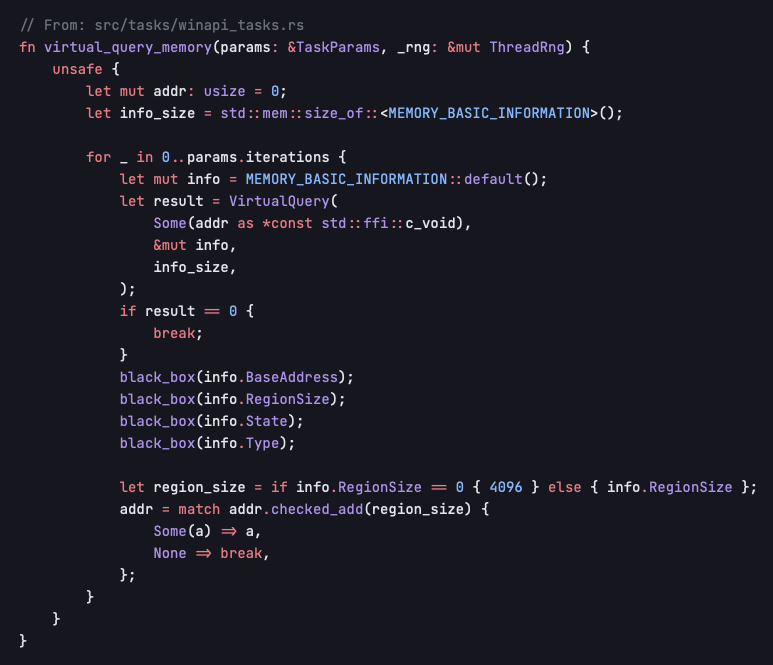
BusyWork is a Rust library that swaps every sleep() call for a randomized cocktail of real work across seven categories — compute, memory, filesystem, registry, Win32 API, network and crypto — so EDR and anti-cheat sensors see a CPU- and I/O-active thread instead of the periodic sleep/wake cadence they hunt for. No timing primitives in the binary, ~5 jittered tasks out of 76 per call, ±30% parameter randomization, function-pointer dispatch.

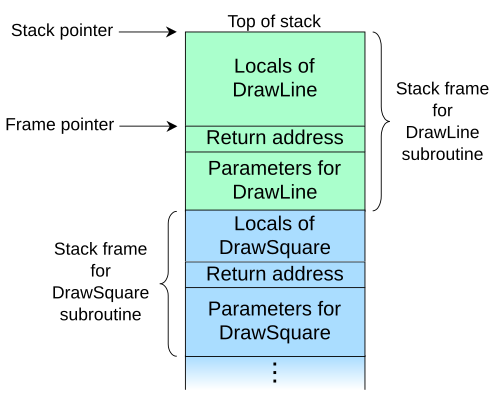
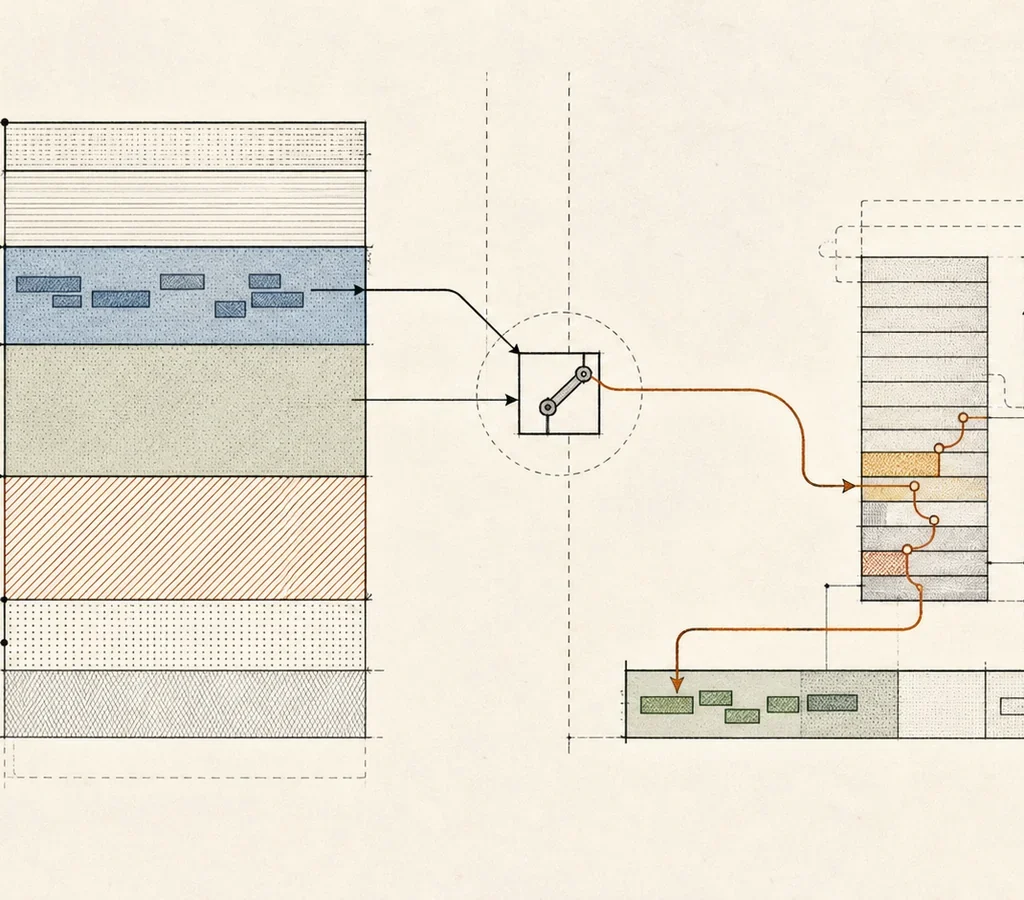
A restrained technical diagram of memory regions, stack frames, and control flow for Gargoyle

Gargoyle, A Decade Later: Josh Lospinoso’s Memory-Scanning Evasion Idea, Refreshed for 2026

The 2017 Windows research demo that flipped page protections so a shellcode region was non-executable at scan time and executable only during brief work windows. The 2026 refresh keeps the original Win32/x86 proof of concept central, adds x64, ARM64, and ARM64EC sibling demonstrations, fixes a subtle “SetWaitableTimer” “SleepEx” APC validation error, and reframes the whole exercise as a measurement problem about temporal memory state rather than a hiding trick.

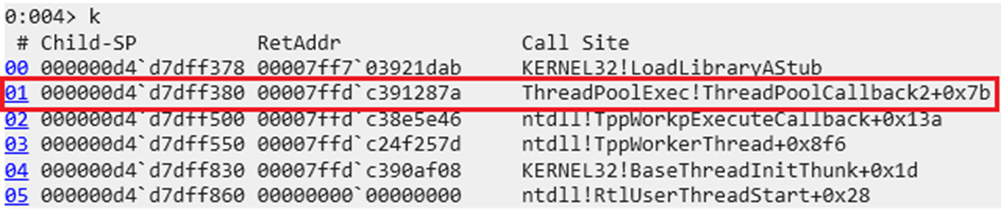
Normal Callback call stack showing callback address visible in inspector

Callback Hell: Abusing Callbacks, Tail Calls, and Proxy Frames to Obfuscate the Stack

A walkthrough of klezVirus’ “Callback hell” — a technique that hides callback frames from stack inspectors by combining tail-calls, forward and backward proxy frames, and a chained thread-pool dispatcher, while still recovering the callee’s return value via a MOV [REG], RAX gadget. Published under CC BY 4.0 and republished here in full, with all original figures, assembly listings, and the POC video.

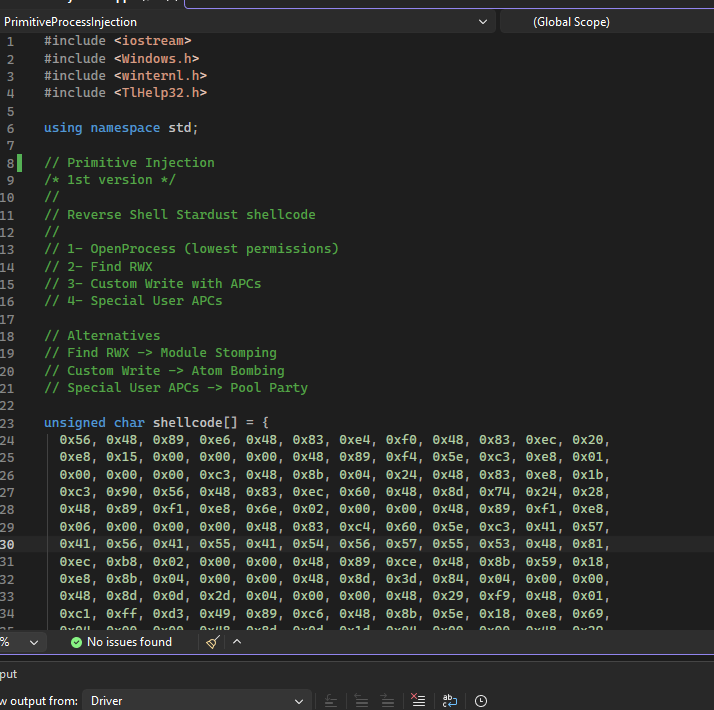
Primitive Process Injection: APC Tandem cover illustration

APC Tandem: A Primitive-Chaining Process Injection That Slips Past Common EDR Triggers

A walkthrough of “APC Tandem”, a stealth Windows process-injection technique that replaces WriteProcessMemory, CreateRemoteThread and VirtualAllocEx with a chain of less-watched primitives — thread description smuggling, paired GetThreadDescription/RtlMoveMemory APCs, and a Special User APC for execution.