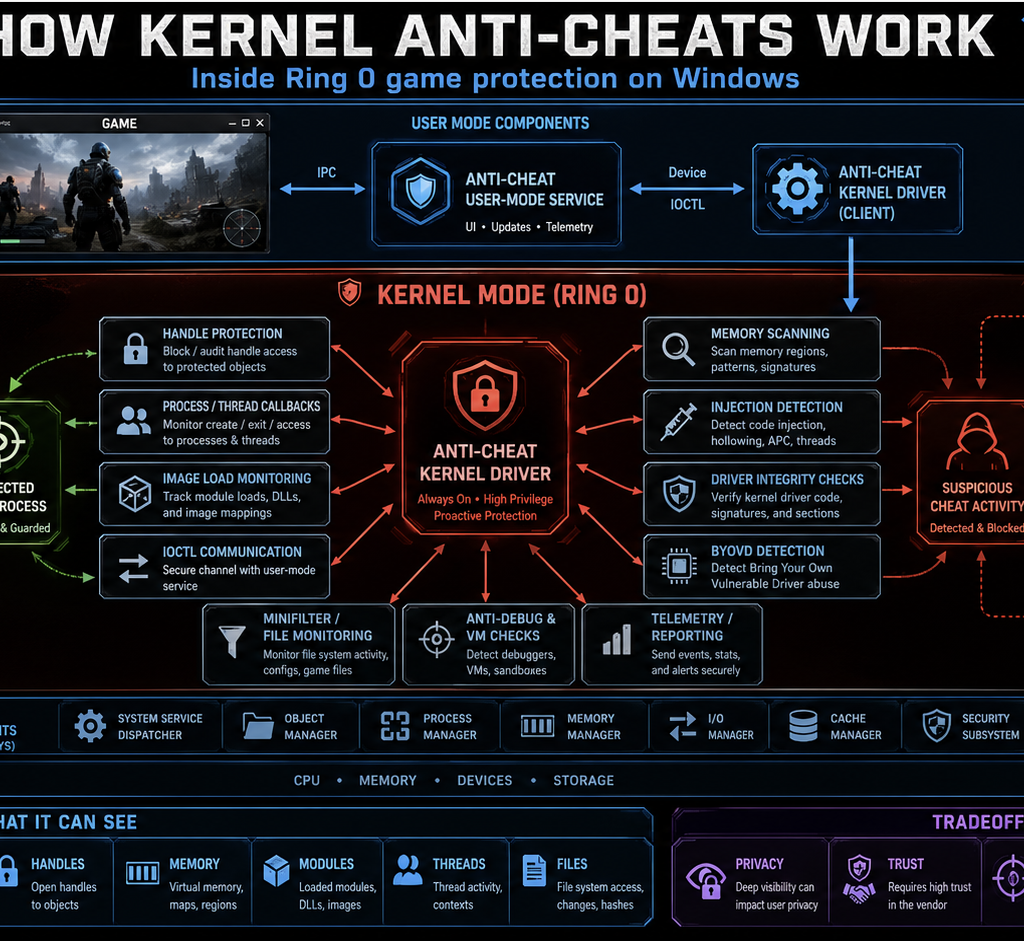
The article explains how kernel anti-cheats monitor games from Ring 0 using callbacks, handle filtering, memory scans, driver checks, anti-debugging, VM detection, and hardware fingerprinting.
Signed to Kill: Reverse Engineering a 0-Day Used to Disable CrowdStrike EDR
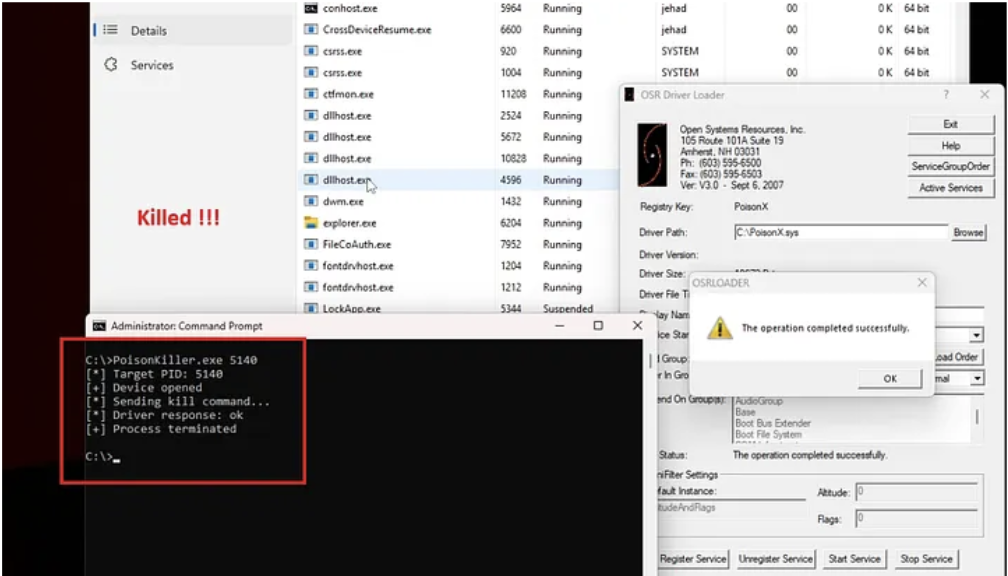
The article analyzes a Microsoft-signed vulnerable driver used in a BYOVD attack to kill security processes. By sending crafted IOCTL requests with a target PID, attackers can terminate EDR services such as CrowdStrike Falcon.
Breaking Process Protection: Exploiting CVE-2026-0828 in ProcessMonitorDriver.sys
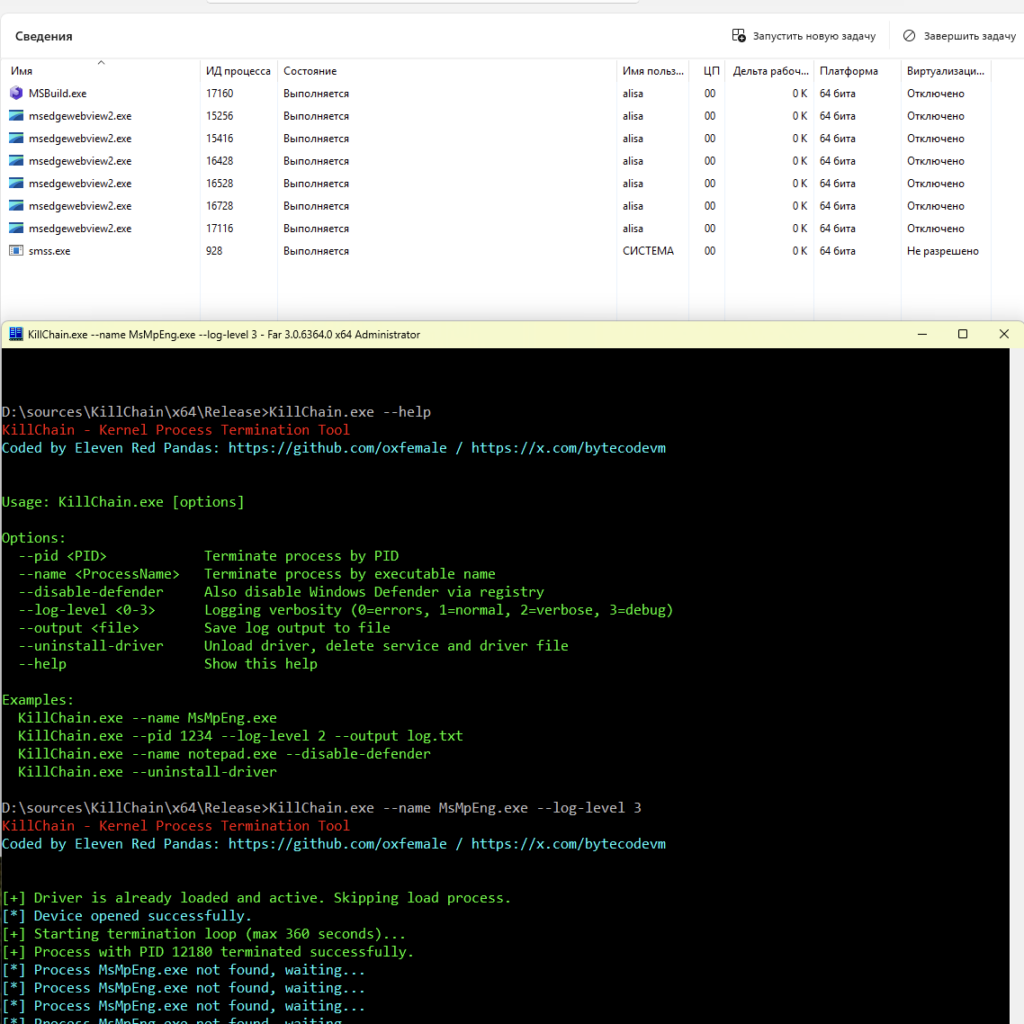
The KillChain exploit leverages a vulnerability in ProcessMonitorDriver.sys (CVE-2026-0828) by abusing an exposed IOCTL that allows a user-mode application to terminate arbitrary processes — including protected system services — effectively bypassing standard Windows security checks.
MAD Bugs: Claude Wrote a Full FreeBSD Remote Kernel RCE with Root Shell (CVE-2026-4747)
Researchers showed that the Claude AI model could generate a working exploit for a FreeBSD kernel vulnerability (CVE-2026-4747), producing a remote root shell by building a stack overflow and ROP chain with minimal human guidance.
Bypassing Code Integrity Using BYOVD for Kernel R/W Primitives
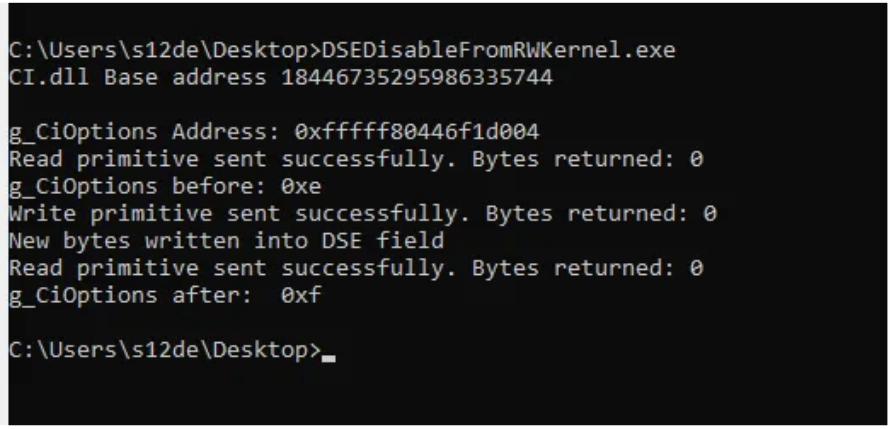
The article shows how BYOVD techniques bypass Windows Code Integrity by loading a vulnerable signed driver and exploiting its IOCTL interface to gain arbitrary kernel read/write access and manipulate protected kernel memory.
Out-of-Cancel: A New Linux Kernel Race Condition Bug Class
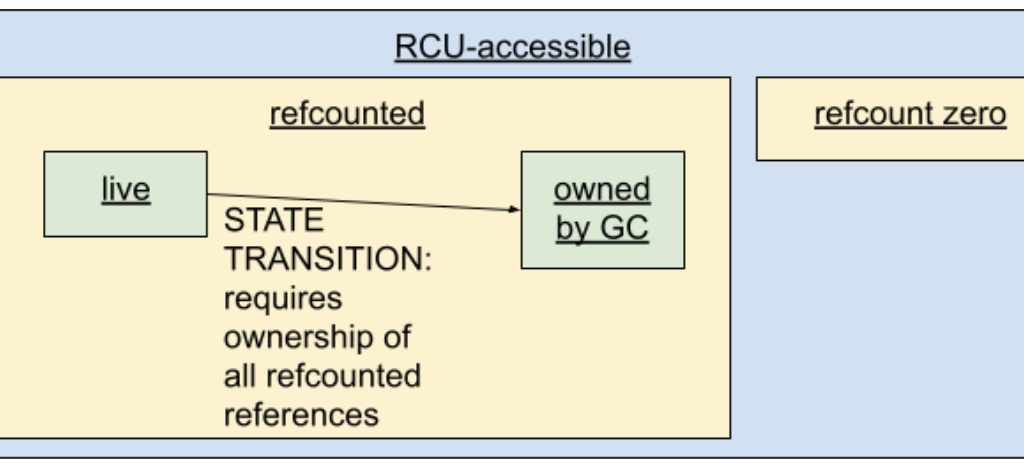
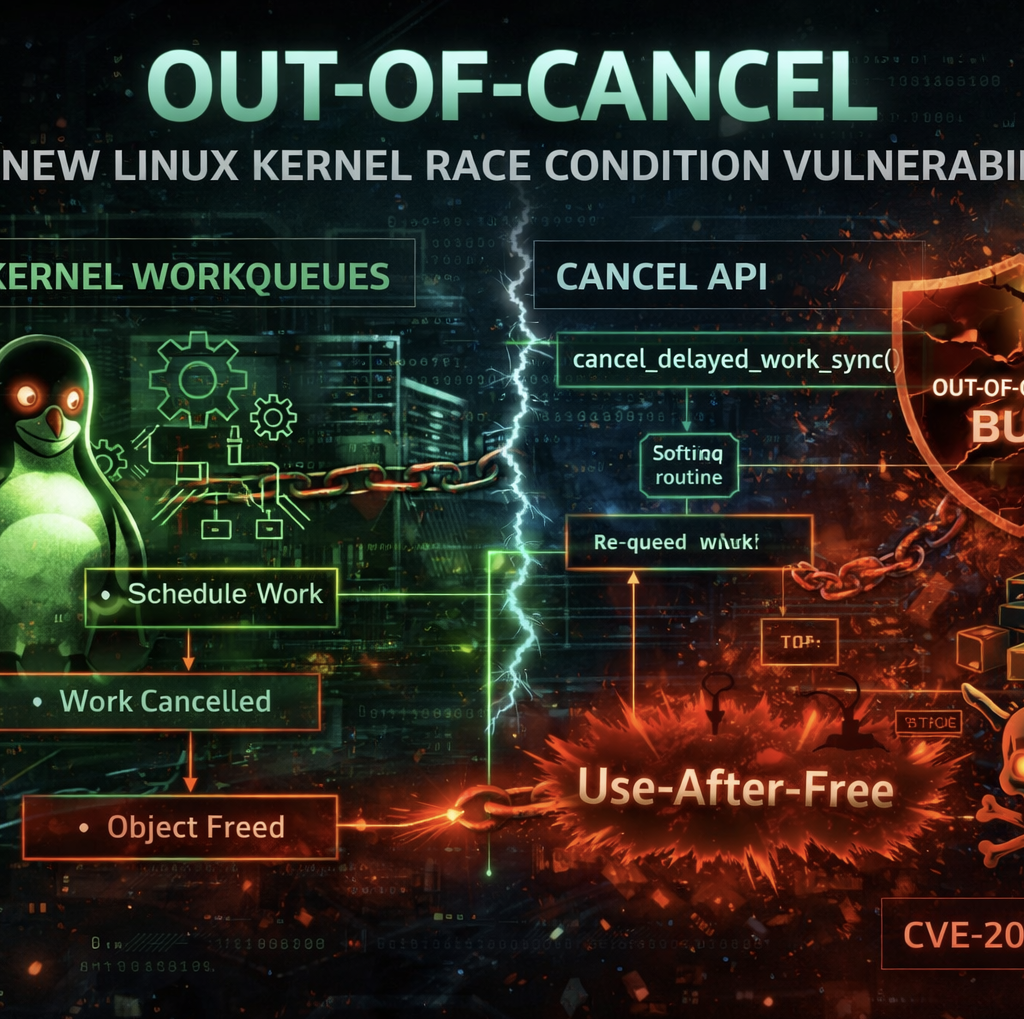
The article introduces the Out-of-Cancel vulnerability class in the Linux kernel, where workqueue cancellation APIs fail to guarantee object lifetime. This race can lead to Use-After-Free bugs, demonstrated using espintcp (CVE-2026-23239).
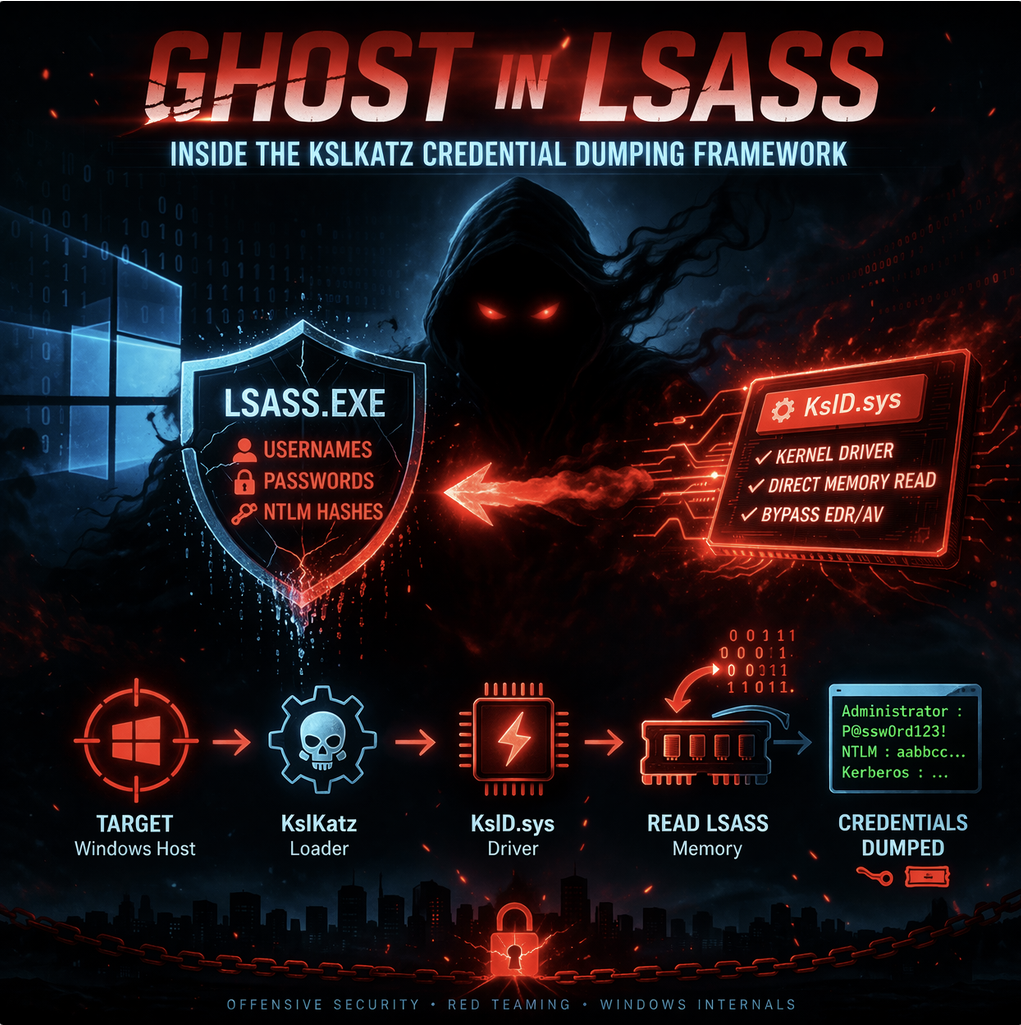
Ghost in LSASS: Inside the KslKatz Credential Dumping Framework
KslKatz is a Windows credential-dumping tool that reads LSASS memory using a kernel driver to bypass user-mode protections. It merges techniques from KslDump and GhostKatz to extract authentication secrets with improved stealth.
Breaking the Shield: Unpacking a VMProtected Windows Kernel Driver
A technical walkthrough showing how to unpack a VMProtected Windows kernel driver using WinDbg and dynamic analysis. The guide demonstrates restoring the hidden Import Address Table and dumping a clean driver for reverse engineering.
Booting into Trust: Reverse Engineering macOS Secure Boot Internals
The article analyzes the macOS secure boot chain on Apple Silicon, showing how Boot ROM, cryptographic verification, Secure Enclave, and staged bootloaders create a hardware-anchored chain-of-trust that protects the OS from power-on to kernel startup.
A Deep Dive into the GetProcessHandleFromHwnd API
The article analyzes the Windows GetProcessHandleFromHwnd API and its evolution from a hook-based implementation to a kernel Win32k function that could open powerful process handles, enabling security bypasses such as CVE-2023-41772.