GreatXML: Bypassing BitLocker on Windows 11 via a Recovery-Partition unattend.xml

GreatXML: Bypassing BitLocker on Windows 11 via a Recovery-Partition unattend.xml

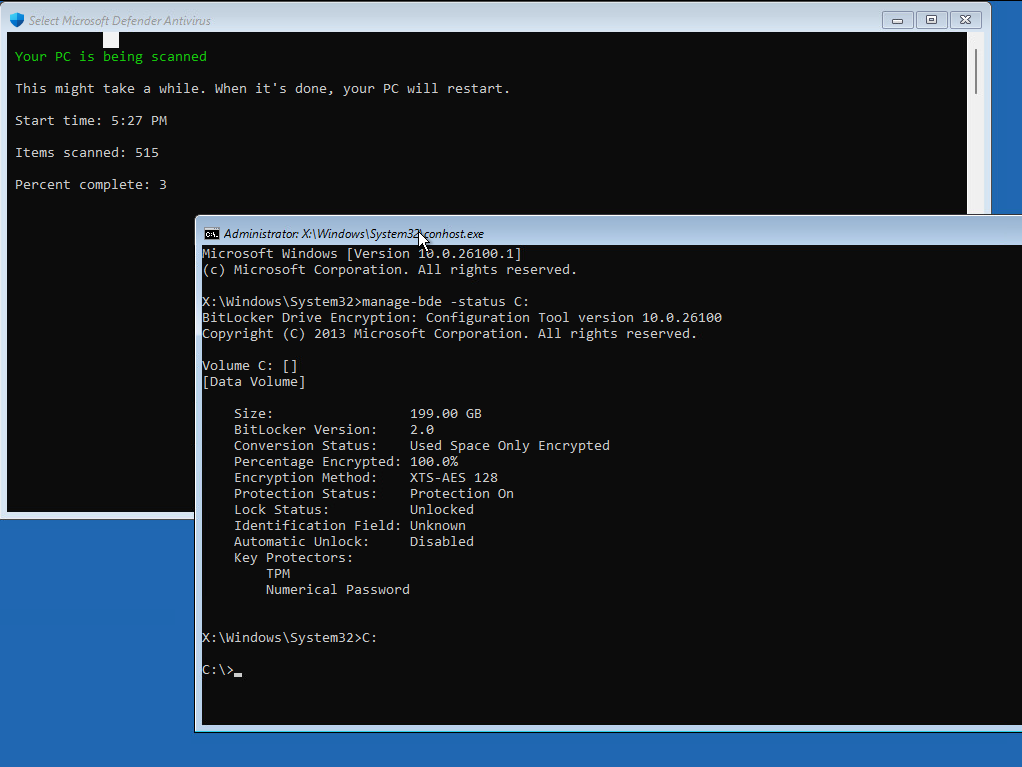
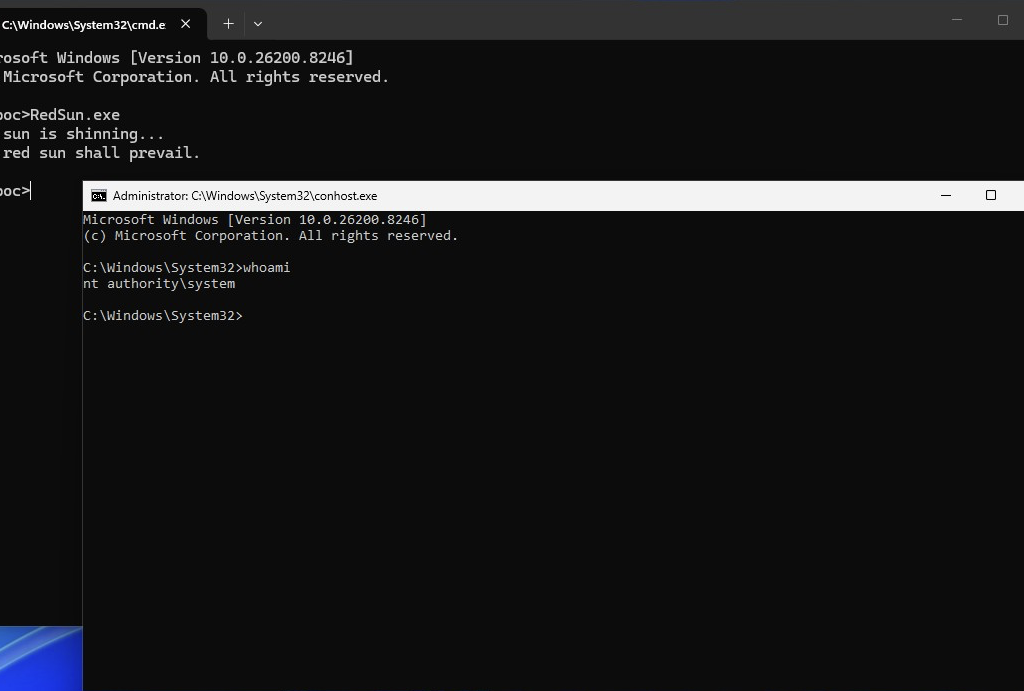
GreatXML is a one-file BitLocker bypass against Windows 11 24H2. Drop an attacker-controlled unattend.xml and ReAgent.xml into the root of the recovery partition; the next Defender Offline reboot honours them at the WinPE Setup pass and spawns an Administrator conhost.exe on top of the splash. The C: volume is already TPM-unsealed at that point, so the shell can cd C: and read everything. No crypto attack, no kernel exploit — just physical access plus two XML files. We reproduce the README, both XML files and both proof screenshots, explain why it works, and give a hardening checklist (TPM+PIN, reagentc /disable, recovery-partition integrity).

Header image — CVE-2024-27398 Linux Bluetooth SCO UAF article

CVE-2024-27398: Exploiting a Linux Bluetooth SCO Use-After-Free with SMEP Bypass

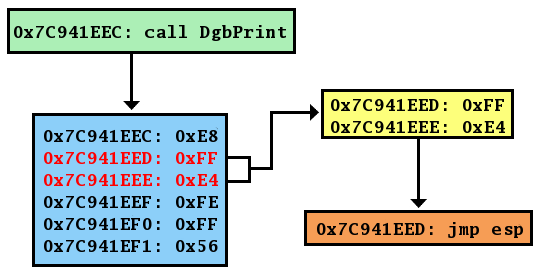
A full walkthrough of CVE-2024-27398, a race-induced use-after-free in the Linux 6.8 Bluetooth SCO subsystem. The exploit races two connect() threads on the same SCO socket to orphan a delayed-work timer, reclaims the freed sock with add_key(), forges a valid DEBUG_SPINLOCK pattern in the spray payload, and uses an xchg eax, esp ; ret gadget to pivot the kernel stack into userspace — bypassing SMEP with pure ROP and overwriting modprobe_path to get root.

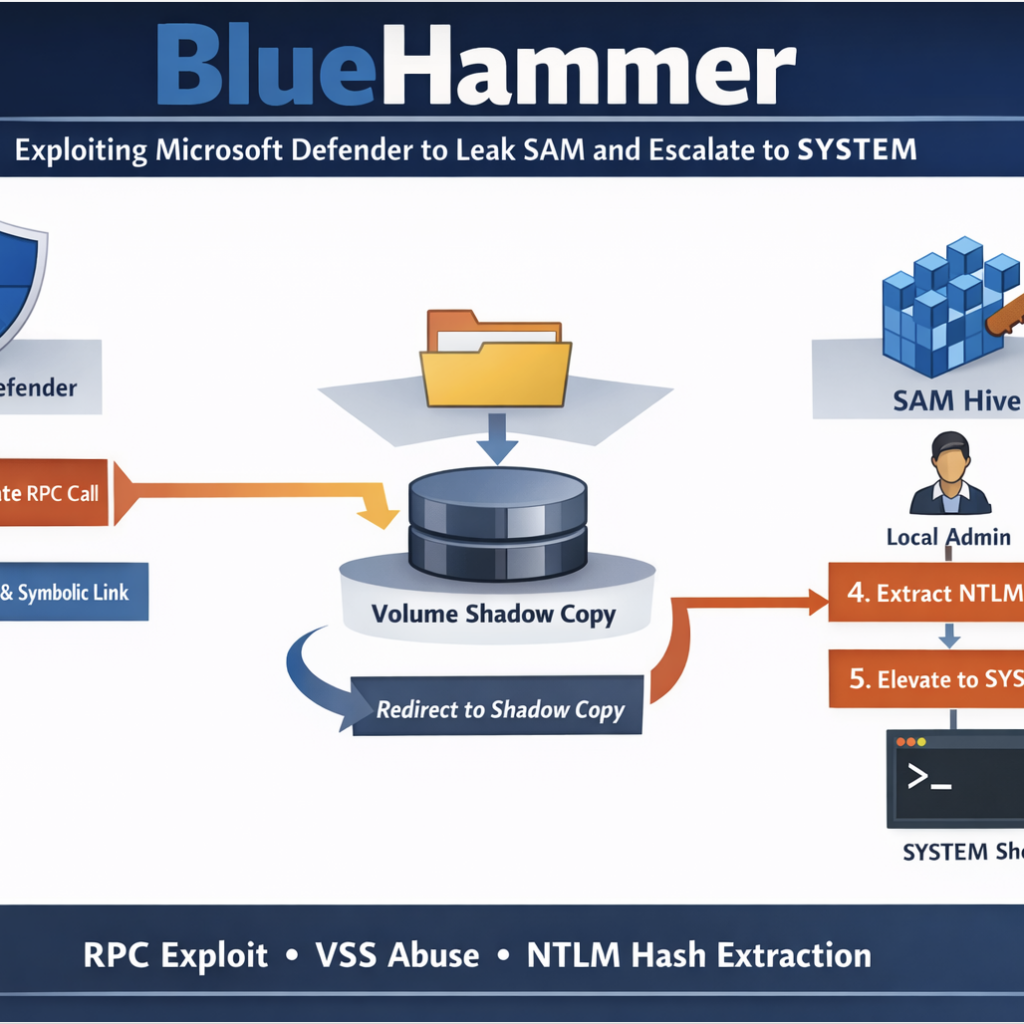
BlueHammer: Exploiting Microsoft Defender Update Workflow to Leak SAM and Escalate to SYSTEM

BlueHammer: Exploiting Microsoft Defender Update Workflow to Leak SAM and Escalate to SYSTEM

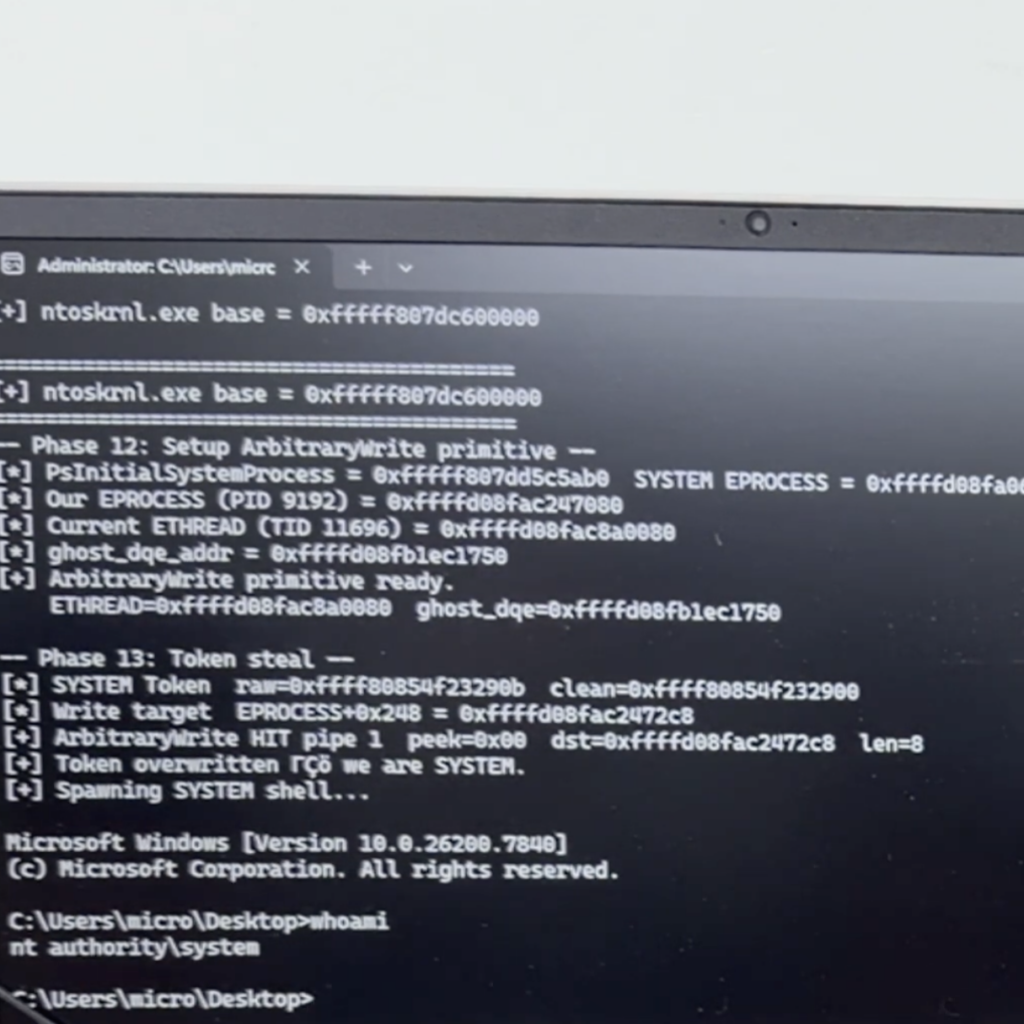
BlueHammer shows how Microsoft Defender’s update workflow can be abused to redirect privileged file access to a Volume Shadow Copy. By exploiting filesystem races and NT namespace tricks, the technique leaks the SAM hive, extracts NTLM hashes, and enables privilege escalation to SYSTEM.