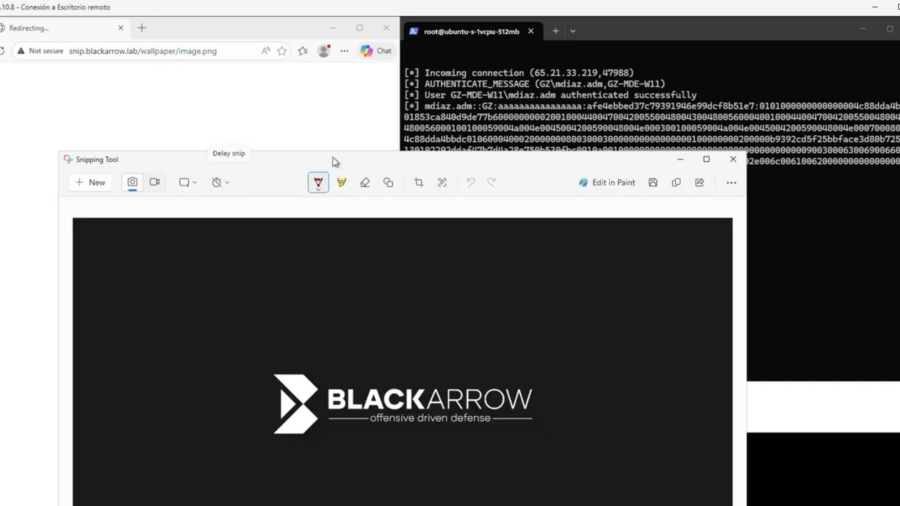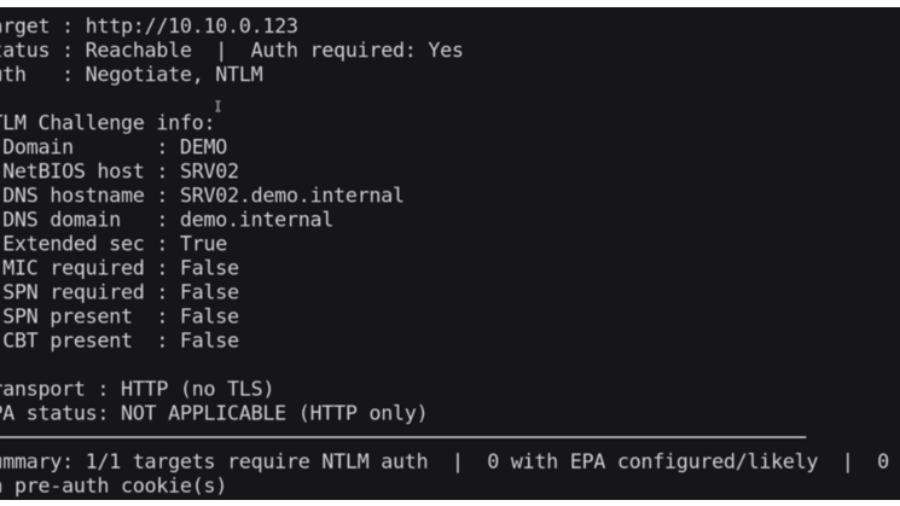
he article demonstrates an NTLM relay attack against Active Directory using tools like ntlmrelayx and PetitPotam. By relaying authentication to LDAP, attackers can create accounts, abuse delegation, and gain administrative access.
LOLExfil: Stealthy Data Exfiltration Using Living-Off-the-Land Techniques
The article introduces LOLExfil, a Living-Off-the-Land data exfiltration technique that abuses legitimate system tools and trusted services to stealthily extract data, blending malicious activity with normal system behavior.
Ghost in the PPL – LSASS Memory Dump
The article explains a technique for dumping memory from the protected LSASS process (PPL). It analyzes limitations of PPL protection and demonstrates how MiniDumpWriteDump and existing process handles can be used to extract credential data.
Reverse engineering undocumented Windows Kernel features to work with the EDR
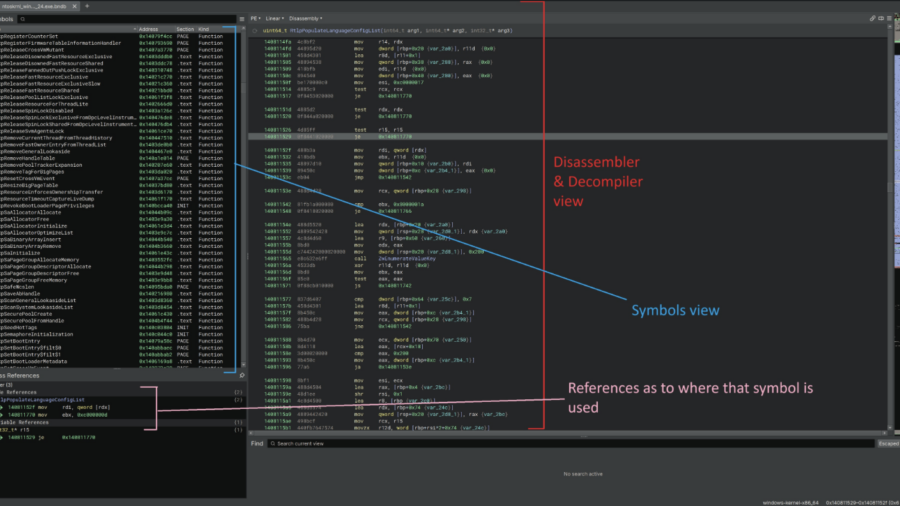
This article demonstrates how to reverse engineer the Windows 11 kernel to understand undocumented internals behind memory operations and ETW Threat Intelligence events, helping security engineers improve EDR telemetry and detect remote process memory writes.
Windows Kernel Debugging
The article explains how to set up Windows kernel debugging over a network using WinDBG and a host/target configuration. It covers enabling debug mode, connecting WinDBG to a remote VM, and using kernel debug infrastructure for low-level inspection and manipulation.
RPC Proxy Injection Part II: Breaking Elastic EDR Telemetry
The article explains enhancing RPC Proxy Injection to evade Elastic EDR telemetry by avoiding common API calls like WriteProcessMemory and CreateRemoteThread, using custom shellcode delivery via thread descriptions and APCs to hide malicious behavior.
Living off the Process
The article “Living off the Process” details a technique to inject and execute shellcode into a remote Windows process by reusing existing RWX memory, ROP gadgets, and threads within that process, avoiding conventional memory allocation and lowering detection footprint.
Bypassing Elastic EDR to Perform Lateral Movement
Article demonstrates how lateral movement can still be achieved in a lab with Elastic EDR and Microsoft ASR enabled by modifying payload delivery and execution techniques, bypassing common detection patterns and highlighting gaps in behavior-based defenses.
Trust Me, I’m a Shortcut
LNK shortcut abuse remains effective because shortcuts are trusted and rarely inspected. The technique enables stealthy execution and strong phishing scenarios. Its future use is likely in initial access and evasion until detection improves.