BYOVD44 Bypassing Code Integrity Using BYOVD for Kernel R/W Primitives
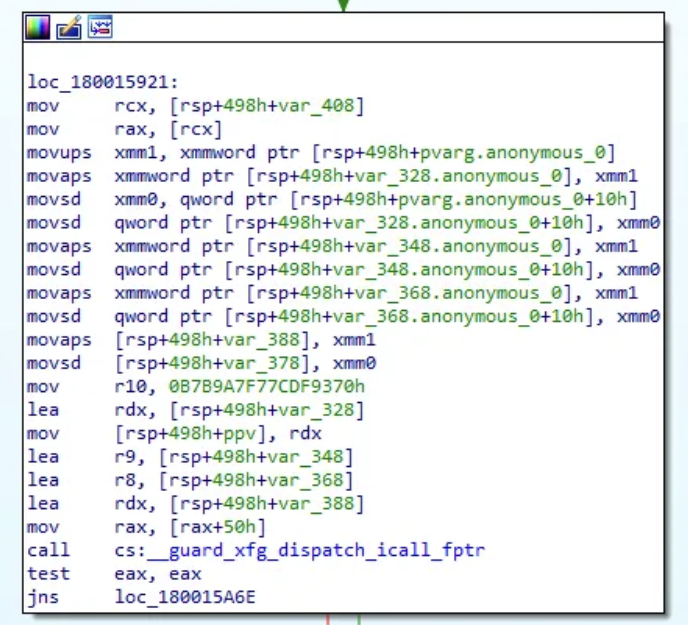
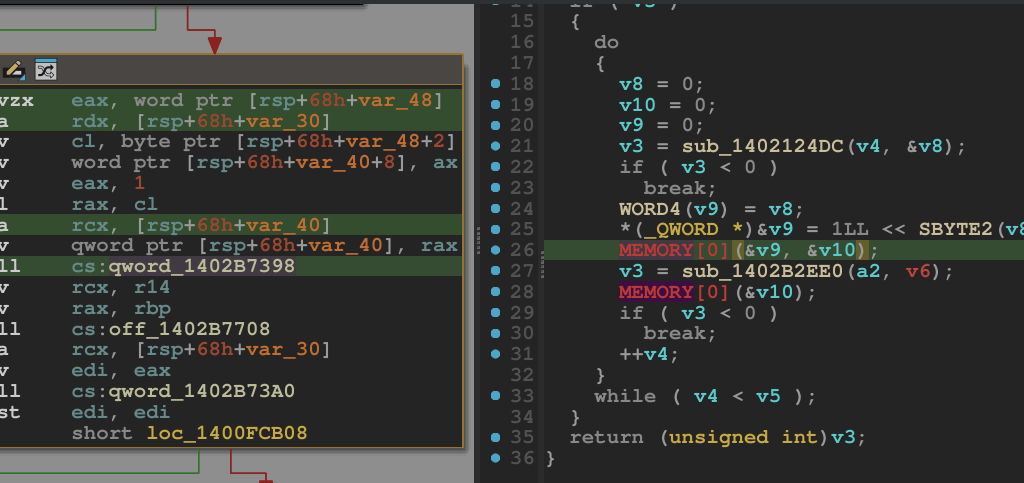
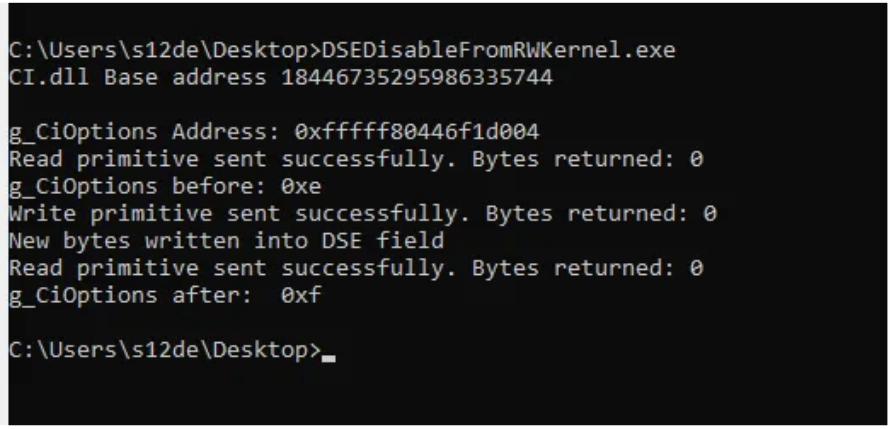
The article shows how BYOVD techniques bypass Windows Code Integrity by loading a vulnerable signed driver and exploiting its IOCTL interface to…
BYOVD44 The article shows how BYOVD techniques bypass Windows Code Integrity by loading a vulnerable signed driver and exploiting its IOCTL interface to…
CIMOM34 The article explains WMI internals, showing how Windows management queries travel from applications to the WMI service, repository, and provider hosts, and…
Escalation23 CVE-2026-1995 is a privilege escalation flaw in the IDrive Windows backup client. Weak file permissions allow low-privileged users to modify service arguments…
BIOS35 The article shows how modifying UEFI firmware at the flash level can disable BIOS security features even when the interface is locked,…
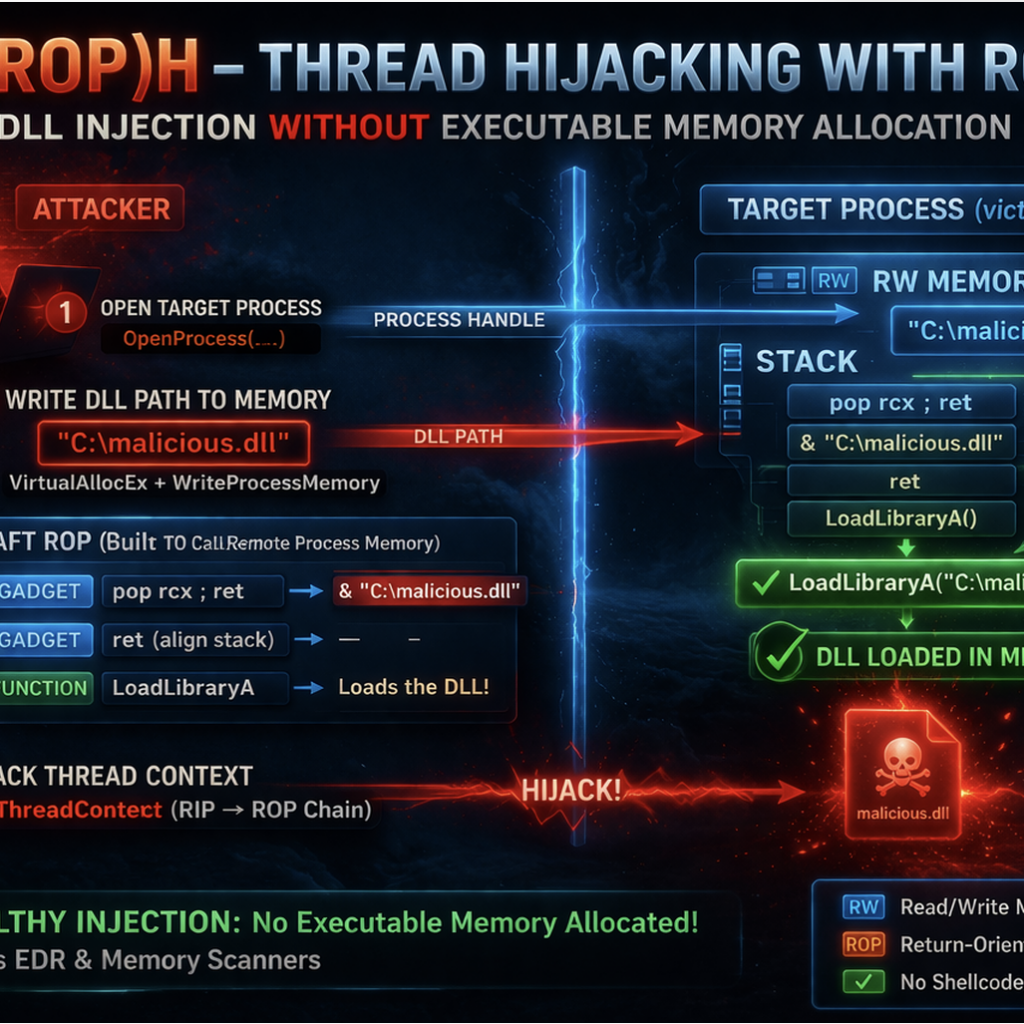
EDR29 The article presents T(ROP)H, a process injection technique that hijacks threads and uses a ROP chain to load a DLL without allocating…
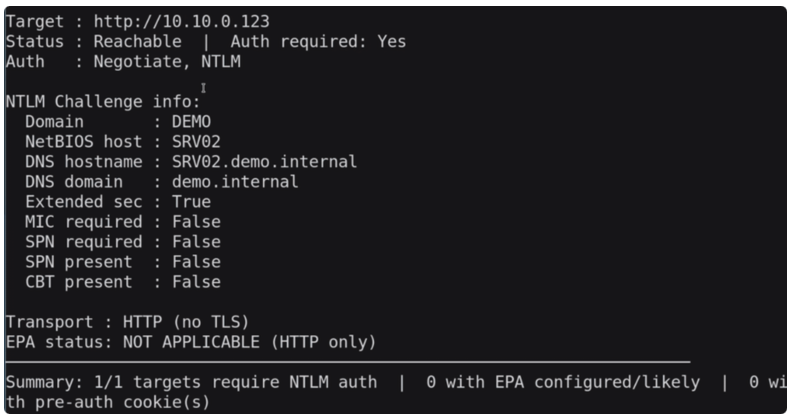
Active Directory28 he article demonstrates an NTLM relay attack against Active Directory using tools like ntlmrelayx and PetitPotam. By relaying authentication to LDAP, attackers…
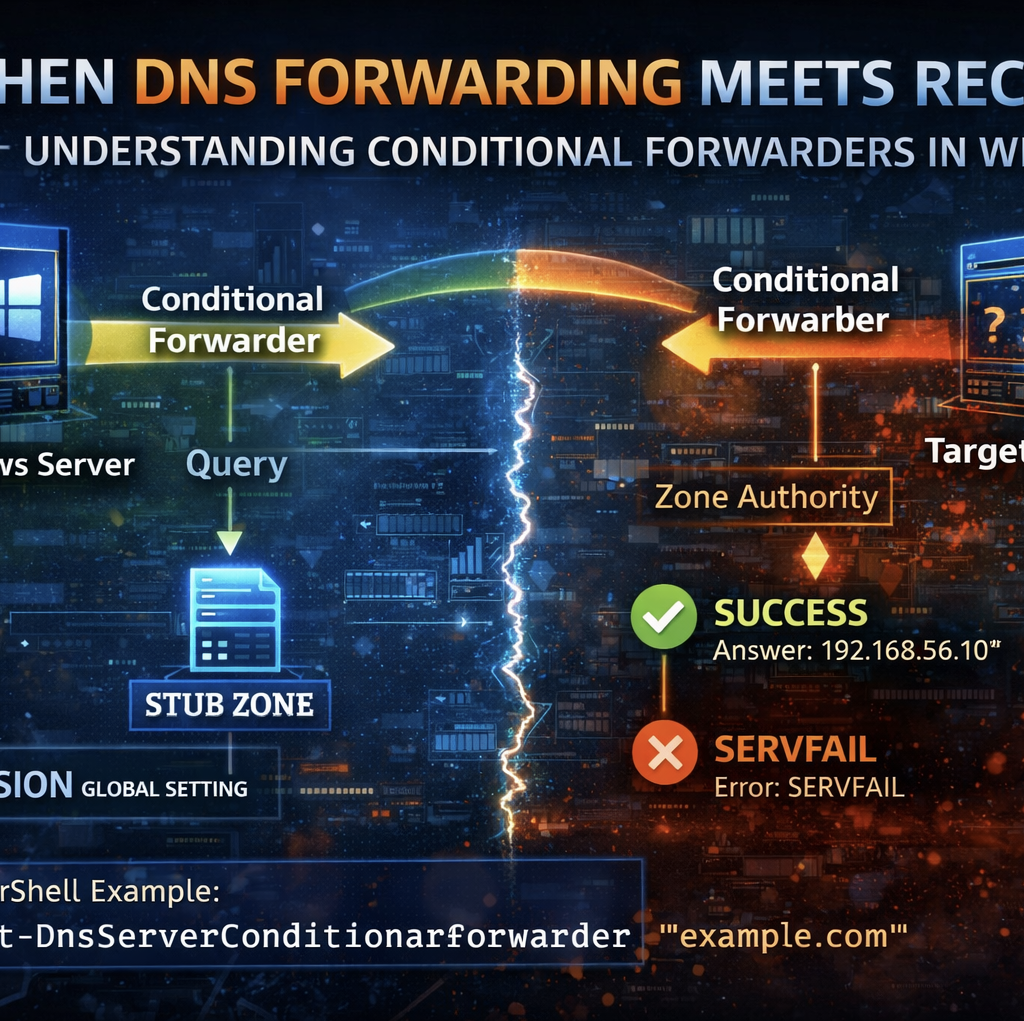
Active Directory27 The article explains how Windows DNS conditional forwarders interact with recursion. It shows that recursion settings can be overridden per zone and…
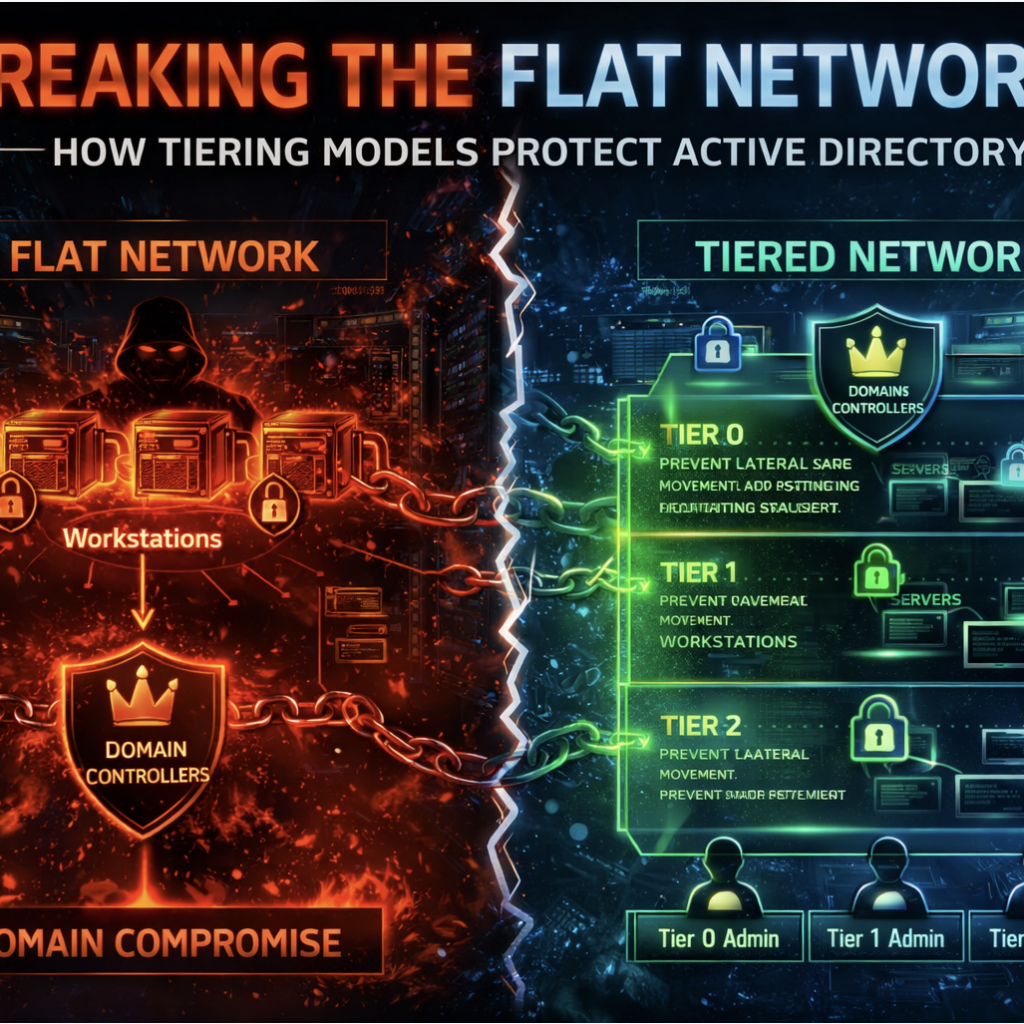
Active Directory35 The article explains how flat enterprise networks enable easy lateral movement and domain compromise. It shows how Active Directory tiering models segment…
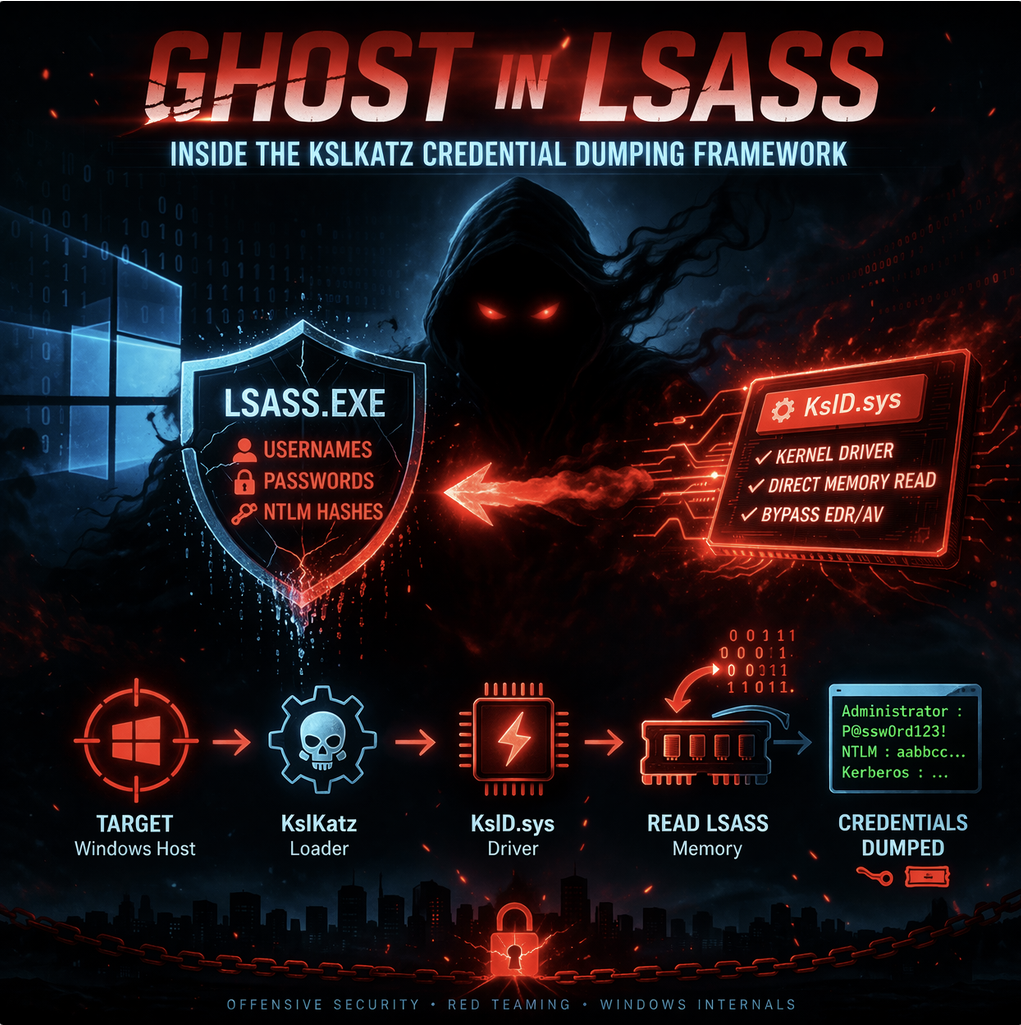
BYOVD665 KslKatz is a Windows credential-dumping tool that reads LSASS memory using a kernel driver to bypass user-mode protections. It merges techniques from…
Debug48 A technical walkthrough showing how to unpack a VMProtected Windows kernel driver using WinDbg and dynamic analysis. The guide demonstrates restoring the…
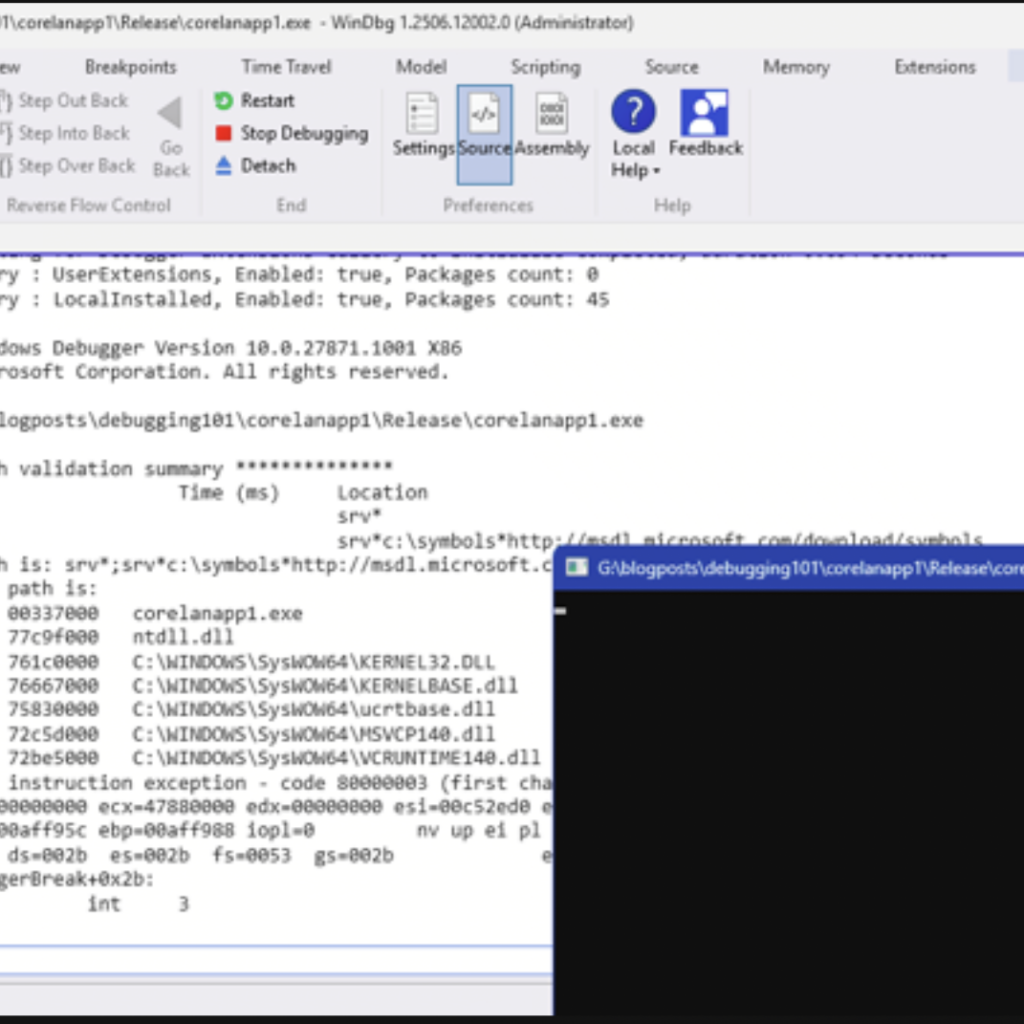
Debug35 A beginner-friendly guide to debugging Windows programs using WinDbg and WinDbgX. It explains debugger basics, breakpoints, symbols, memory inspection, and execution control—key…
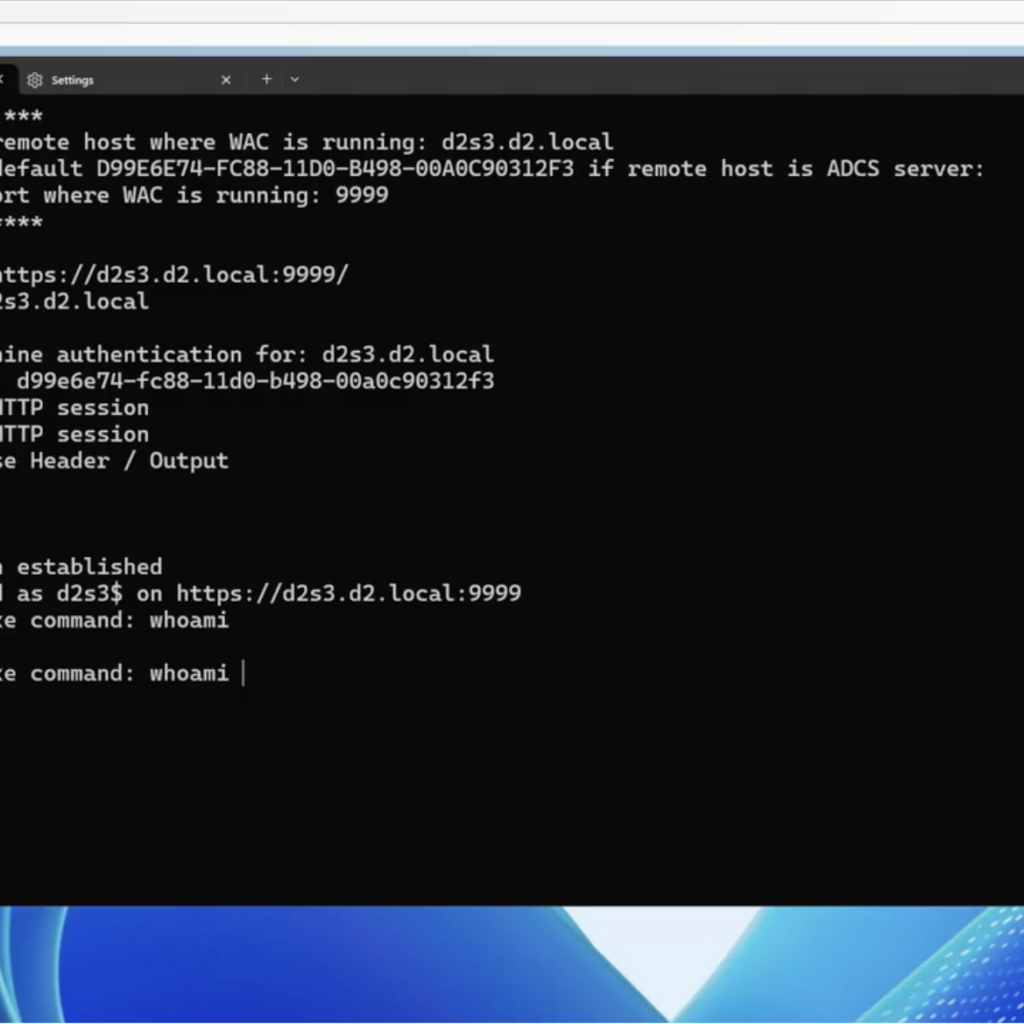
Escalation29 CVE-2026-26119 is a high-severity privilege-escalation flaw in Windows Admin Center caused by improper authentication. Attackers with low-privileged access could gain admin rights…