The article shows how insecure Windows Named Pipes can enable interception or MITM-style abuse, and presents a Frida-based tool to hook, inspect, modify, and inject pipe traffic across several I/O models.
CVE-2026-33829: How a Deep Link in Windows Can Expose Net-NTLM Credentials
This vulnerability in the Windows Snipping Tool allows attackers to trigger NTLM authentication through the ms-screensketch protocol, forcing a connection to a remote SMB server and leaking the user’s Net-NTLM hash via a crafted link.
Vulnerability: When Microsoft Defender Becomes the Primitive – RedSun PoC.
This vulnerability shows how Windows Defender file handling can be abused through filesystem races, Cloud Files APIs, and reparse points to redirect privileged writes and escalate from a low-privileged user to SYSTEM.
Abusing WinML for In-Memory Staging and EDR Evasion
The research shows how attackers can embed payloads inside ONNX ML models and load them via Windows WinML APIs, staging malware entirely in memory while blending into legitimate machine-learning application behavior.
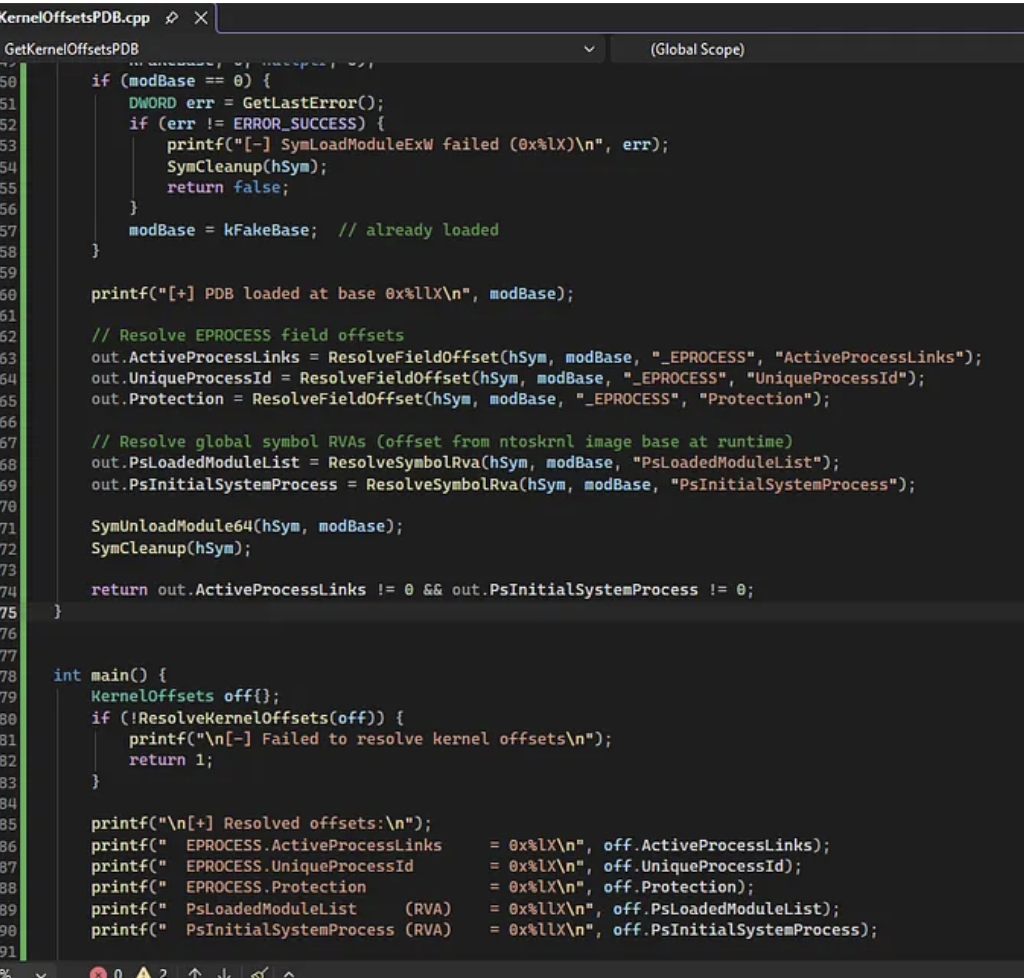
Windows Early Boot Configuration: The CmControlVector and PspSystemMitigationOptions
The article explores how Windows loads system-wide exploit mitigation settings during early boot via CmControlVector, populating PspSystemMitigationOptions, which later influences process security flags and mitigation behavior.
Windows Recall: A Perfect Memory or a Perfect Data Leak?
An in-depth look at Windows Recall on Copilot+ PCs, how its SQLite and embedding databases store screen history, and how the TotalRecall tool can extract that data—revealing serious security and privacy implications.
What Windows Server 2025 Quietly Did to Your NTLM Relay
Windows Server 2025 quietly breaks a classic NTLM relay technique by enforcing changes inside msv1_0.dll. The update prevents attackers from abusing NTLMv1 and stripping MIC to relay authentication to LDAPS.
COMouflage: Stealthy DLL Surrogate Injection for Process Tree Evasion
COMouflage is a stealthy Windows injection technique that abuses COM DLL Surrogates to execute malicious DLLs inside dllhost.exe, making svchost.exe appear as the parent process and hiding the attacker’s process from detection.
BlueHammer: Exploiting Microsoft Defender Update Workflow to Leak SAM and Escalate to SYSTEM
BlueHammer shows how Microsoft Defender’s update workflow can be abused to redirect privileged file access to a Volume Shadow Copy. By exploiting filesystem races and NT namespace tricks, the technique leaks the SAM hive, extracts NTLM hashes, and enables privilege escalation to SYSTEM.
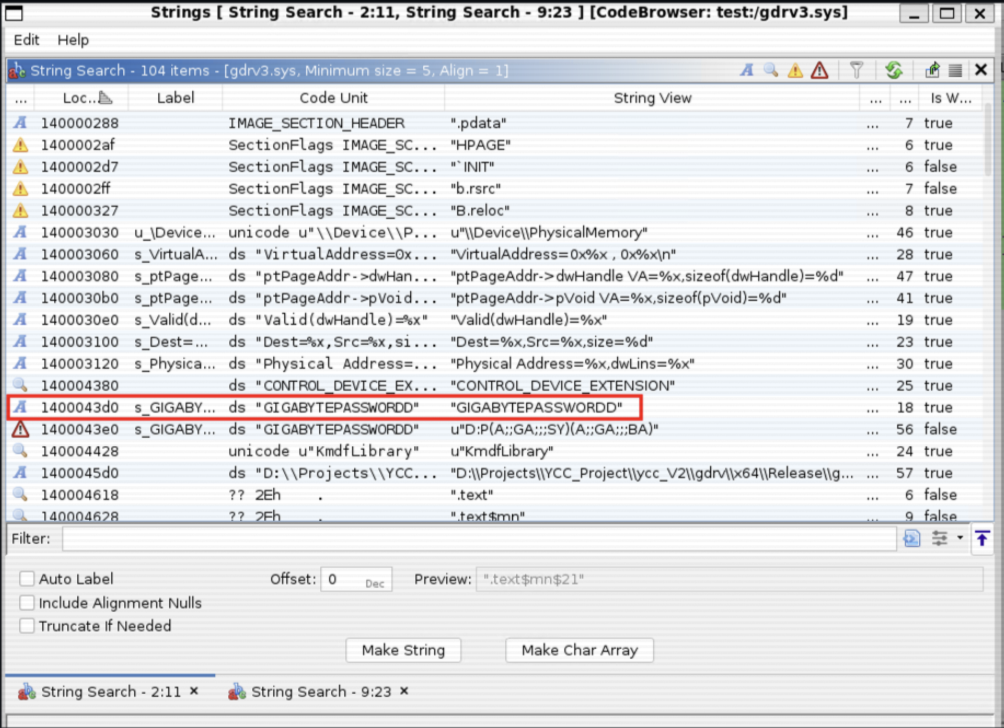
PoisonX: Terminating Protected Windows Processes via BYOVD
PoisonX is a Bring Your Own Vulnerable Driver (BYOVD) research tool that leverages a signed Microsoft kernel driver to terminate any Windows process — including PP (Protected Processes) and PPL (Protected Process Light) processes such as EDR/AV services.