The article presents T(ROP)H, a process injection technique that hijacks threads and uses a ROP chain to load a DLL without allocating executable memory, reducing common detection indicators used by EDR systems.
From PCAP to Passwords: Automating Kerberos Roast Extraction
Krb5RoastParser is a Python tool that extracts Kerberos authentication hashes from PCAP traffic and converts them into Hashcat-compatible formats, simplifying Kerberoasting and Kerberos password-cracking workflows.
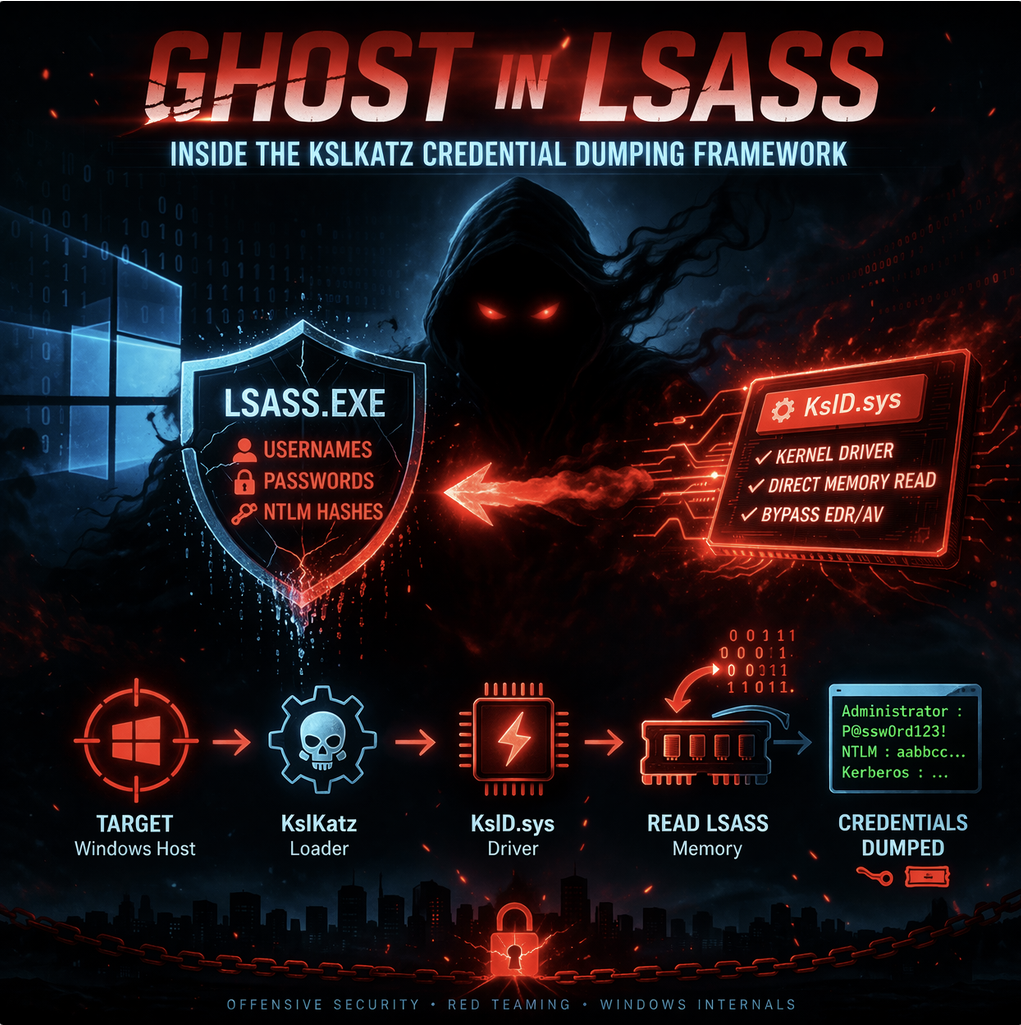
Ghost in LSASS: Inside the KslKatz Credential Dumping Framework
KslKatz is a Windows credential-dumping tool that reads LSASS memory using a kernel driver to bypass user-mode protections. It merges techniques from KslDump and GhostKatz to extract authentication secrets with improved stealth.
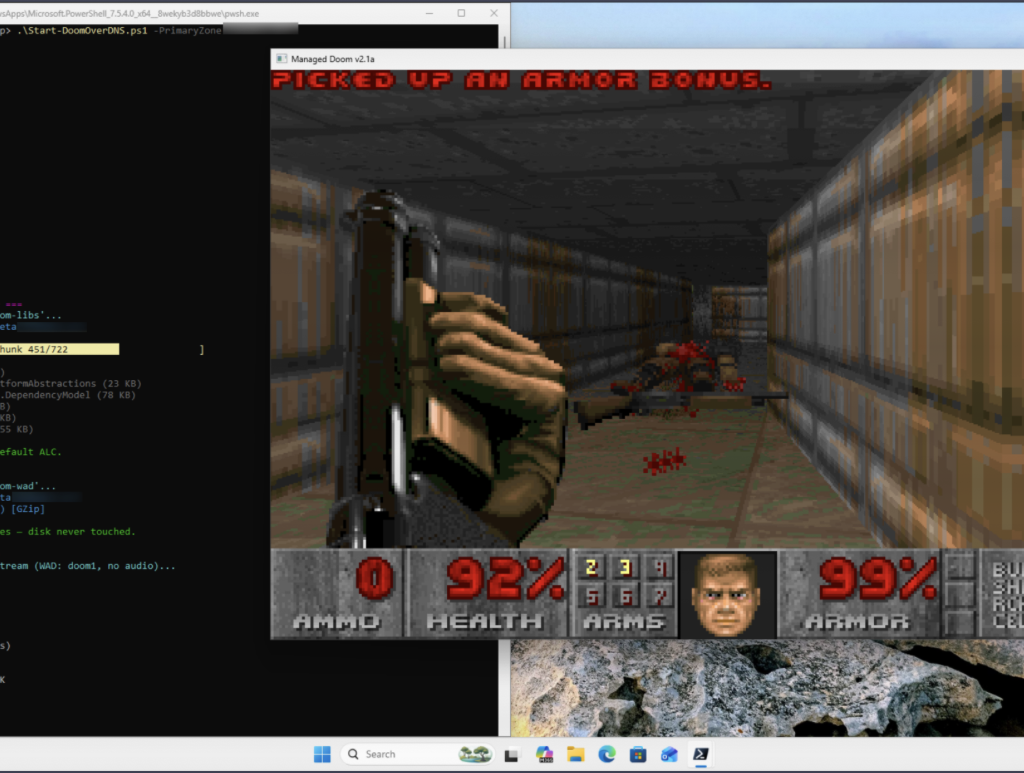
Can it Resolve DOOM? Game Engine in 2,000 DNS Records
The article shows a proof-of-concept where DOOM is stored across ~2,000 DNS TXT records and executed directly from memory. A PowerShell loader reconstructs the binary via DNS queries, illustrating how DNS can act as a covert payload delivery system.
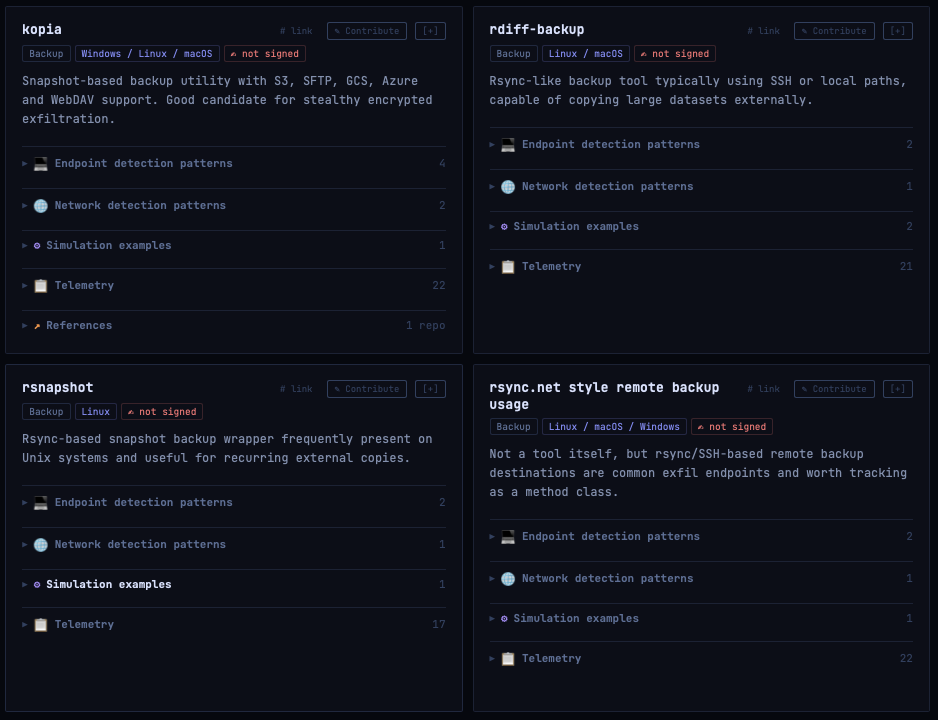
LOLExfil: Stealthy Data Exfiltration Using Living-Off-the-Land Techniques
The article introduces LOLExfil, a Living-Off-the-Land data exfiltration technique that abuses legitimate system tools and trusted services to stealthily extract data, blending malicious activity with normal system behavior.
Windows Defender ACL Blocking: A Silent Technique With Serious Impact
The article analyzes a technique that disables Microsoft Defender by modifying file ACLs to block security services from accessing critical system DLLs. This silent method prevents Defender from starting without triggering obvious alerts.
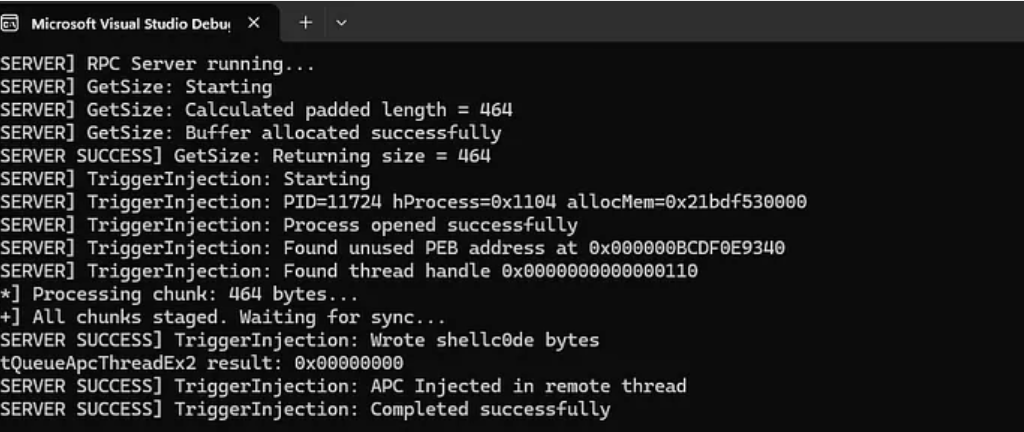
RPC Proxy Injection Part II: Breaking Elastic EDR Telemetry
The article explains enhancing RPC Proxy Injection to evade Elastic EDR telemetry by avoiding common API calls like WriteProcessMemory and CreateRemoteThread, using custom shellcode delivery via thread descriptions and APCs to hide malicious behavior.