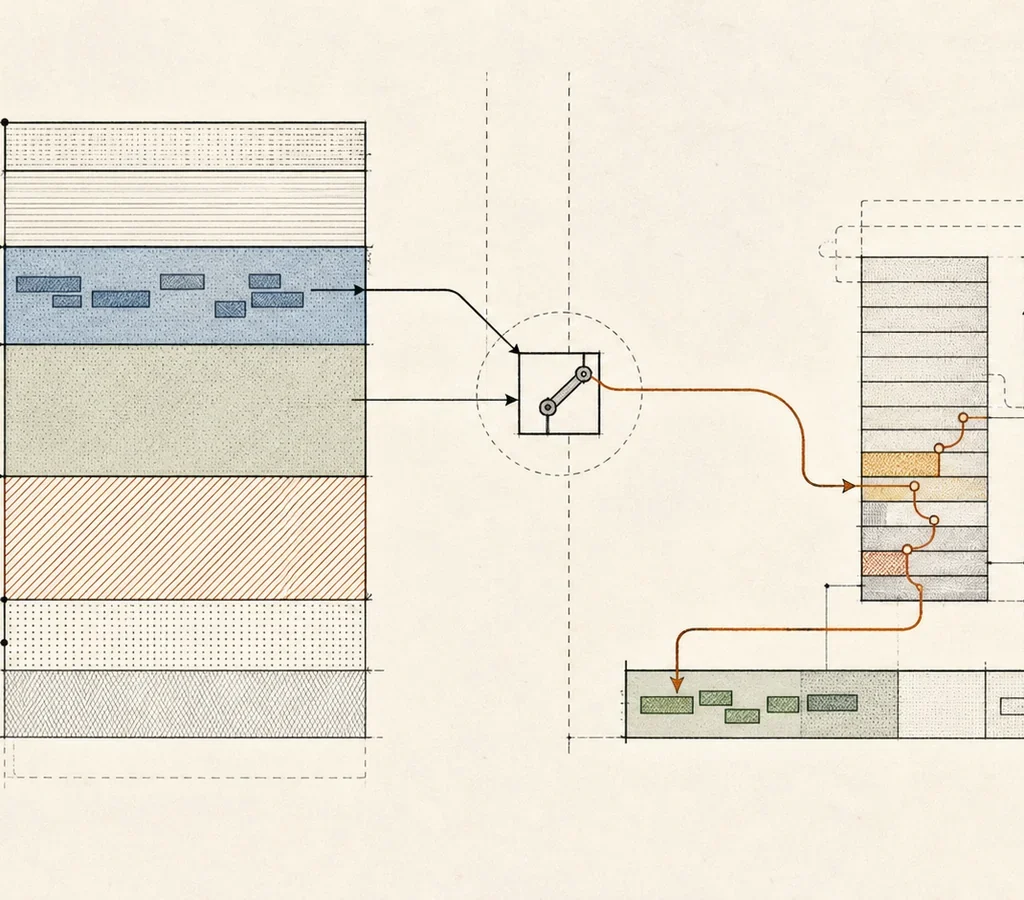
The 2017 Windows research demo that flipped page protections so a shellcode region was non-executable at scan time and executable only during brief work windows. The 2026 refresh keeps the original Win32/x86 proof of concept central, adds x64, ARM64, and ARM64EC sibling demonstrations, fixes a subtle “SetWaitableTimer” “SleepEx” APC validation error, and reframes the whole exercise as a measurement problem about temporal memory state rather than a hiding trick.
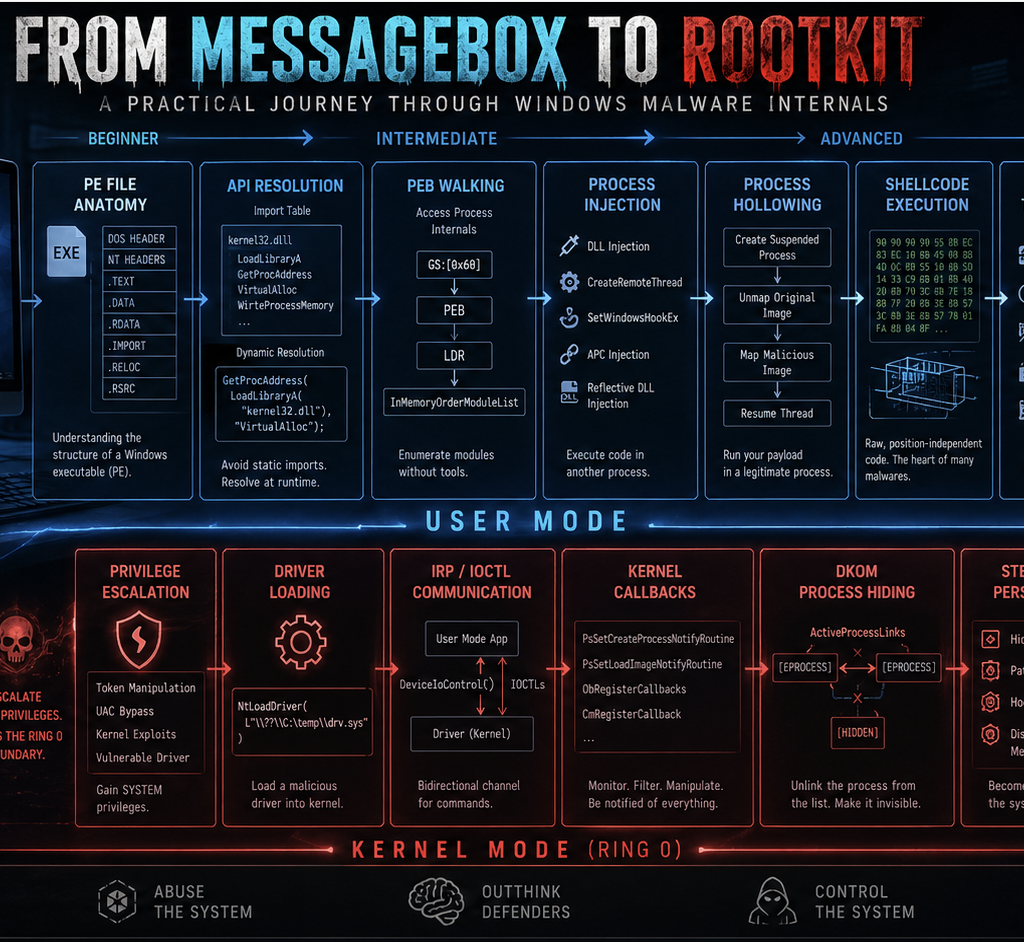
From MessageBox to Rootkit: A Practical Journey Through Windows Malware Internals
The article walks through Windows malware development from dynamic API resolution and PEB walking to injection, APC execution, driver basics, DKOM process hiding, and kernel callback abuse.
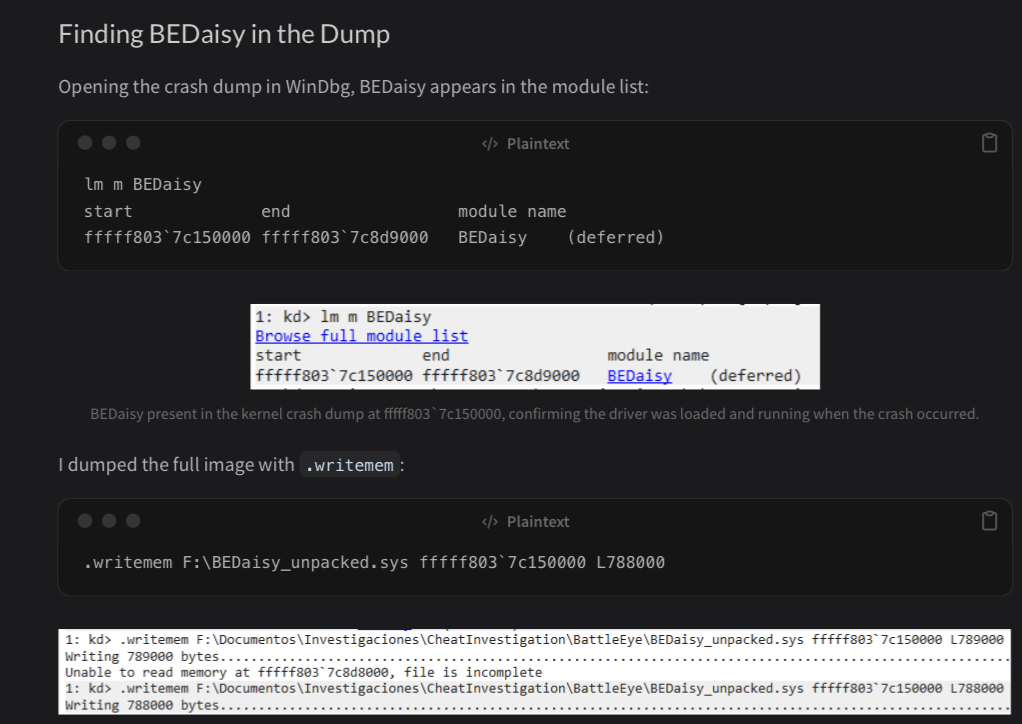
Reversing BEDaisy.sys: Static Analysis of BattlEye’s Kernel Anti-Cheat Driver
The article analyzes the Windows kernel driver BEDaisy.sys, used by BattlEye anti-cheat. Through static reverse engineering, it explores driver architecture, APC usage, hardware fingerprinting, import handling, and detection mechanisms used to monitor system activity.
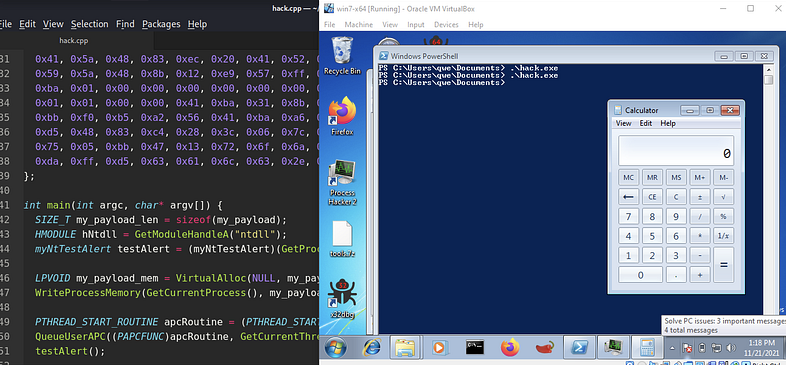
EarlyBird APC Injection: A Deep Technical Analysis
The EarlyBird APC technique creates a trusted process in a suspended state, allocates memory for shellcode, and writes the payload. It then queues the shellcode as an Asynchronous Procedure Call (APC) to the suspended thread. Resuming the thread forces immediate, stealthy execution of the malicious code.