CVE-2026-1995 is a privilege escalation flaw in the IDrive Windows backup client. Weak file permissions allow low-privileged users to modify service arguments and execute arbitrary code as SYSTEM.
Breaking the Firmware Trust: Disabling Security in a Locked BIOS
The article shows how modifying UEFI firmware at the flash level can disable BIOS security features even when the interface is locked, enabling DMA attacks that bypass protections and lead to SYSTEM-level access.
Stealth Injection with ROP: Thread Hijacking Without Executable Memory
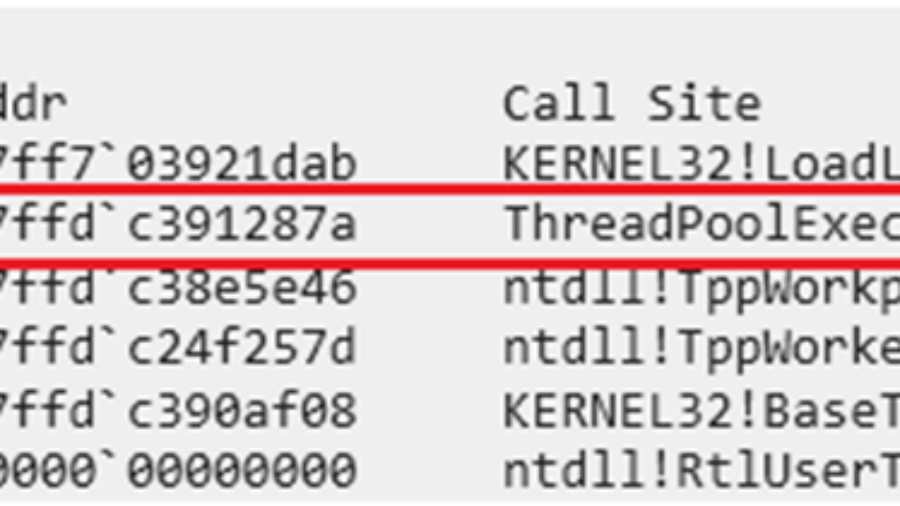
The article presents T(ROP)H, a process injection technique that hijacks threads and uses a ROP chain to load a DLL without allocating executable memory, reducing common detection indicators used by EDR systems.
Relaying Trust: Exploiting NTLM Authentication to Compromise Active Directory
he article demonstrates an NTLM relay attack against Active Directory using tools like ntlmrelayx and PetitPotam. By relaying authentication to LDAP, attackers can create accounts, abuse delegation, and gain administrative access.
When DNS Forwarding Meets Recursion: Understanding Conditional Forwarders in Windows
The article explains how Windows DNS conditional forwarders interact with recursion. It shows that recursion settings can be overridden per zone and demonstrates how different DNS configurations affect query resolution.
Out-of-Cancel: A New Linux Kernel Race Condition Bug Class
The article introduces the Out-of-Cancel vulnerability class in the Linux kernel, where workqueue cancellation APIs fail to guarantee object lifetime. This race can lead to Use-After-Free bugs, demonstrated using espintcp (CVE-2026-23239).
Breaking the Flat Network: How Tiering Models Protect Active Directory
The article explains how flat enterprise networks enable easy lateral movement and domain compromise. It shows how Active Directory tiering models segment privileges and systems to prevent attackers from escalating access.
From PCAP to Passwords: Automating Kerberos Roast Extraction
Krb5RoastParser is a Python tool that extracts Kerberos authentication hashes from PCAP traffic and converts them into Hashcat-compatible formats, simplifying Kerberoasting and Kerberos password-cracking workflows.
Ghost in LSASS: Inside the KslKatz Credential Dumping Framework
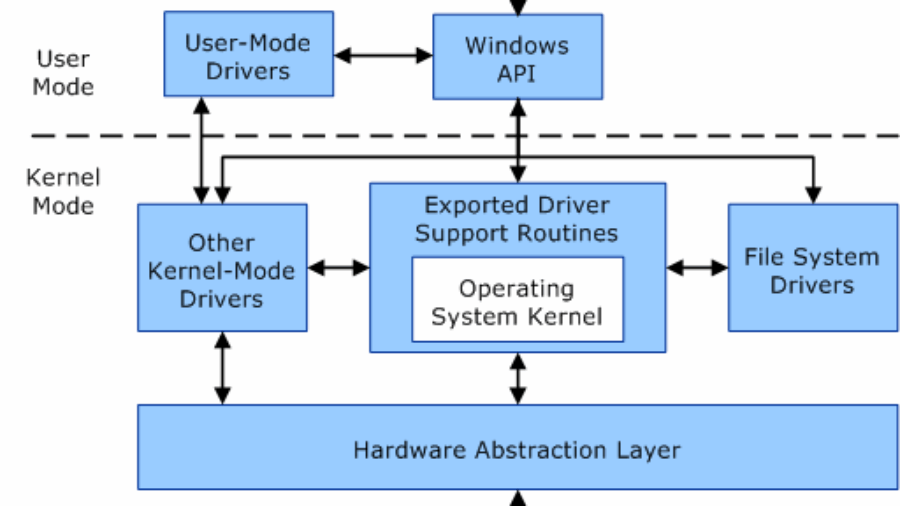
KslKatz is a Windows credential-dumping tool that reads LSASS memory using a kernel driver to bypass user-mode protections. It merges techniques from KslDump and GhostKatz to extract authentication secrets with improved stealth.
Breaking the Shield: Unpacking a VMProtected Windows Kernel Driver
A technical walkthrough showing how to unpack a VMProtected Windows kernel driver using WinDbg and dynamic analysis. The guide demonstrates restoring the hidden Import Address Table and dumping a clean driver for reverse engineering.