
Reverse engineering a Bluetooth printer server reveals multiple security flaws, including exposed debug interfaces and insecure GATT services, enabling unauthenticated remote code execution with root privileges via Bluetooth or network access.
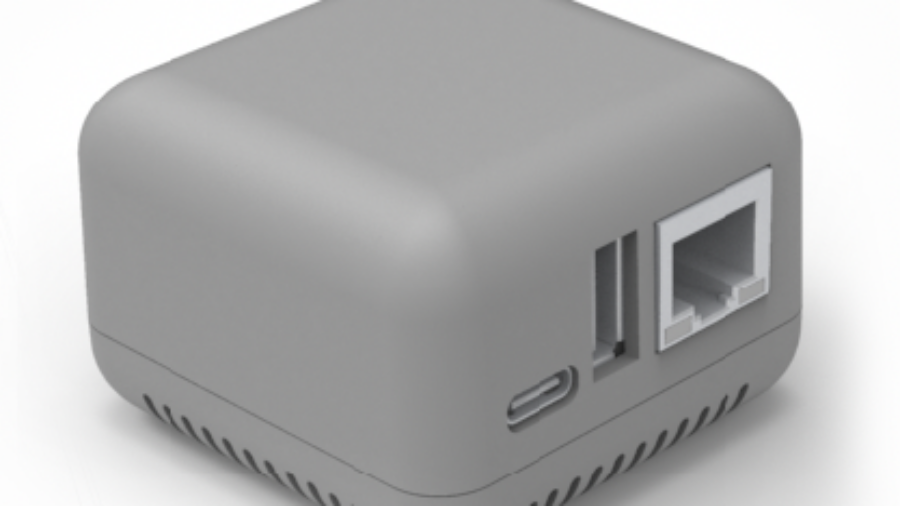
Reverse engineering a Bluetooth printer server reveals multiple security flaws, including exposed debug interfaces and insecure GATT services, enabling unauthenticated remote code execution with root privileges via Bluetooth or network access.
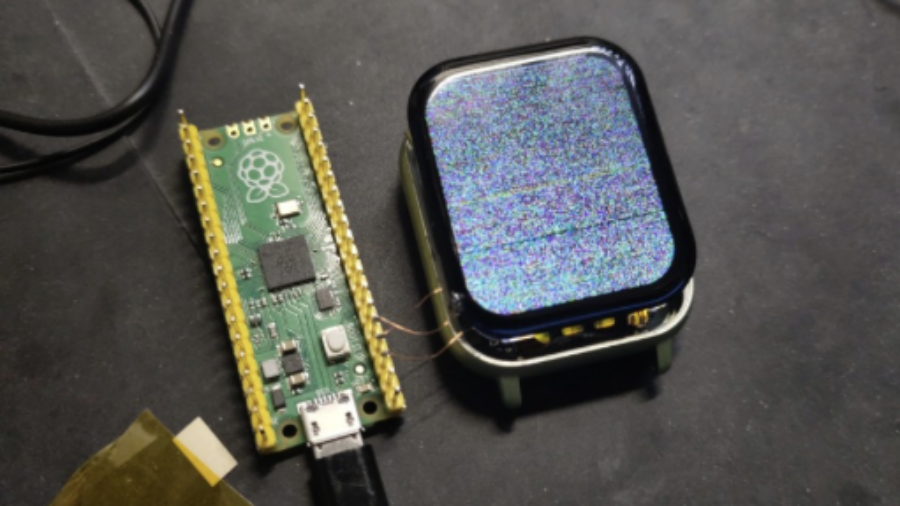
Reverse engineering a cheap smartwatch and reviving the classic “blinkenlights” attack to extract firmware through screen update patterns, revealing weaknesses in OTA update mechanisms, BLE communication, and embedded device security design.
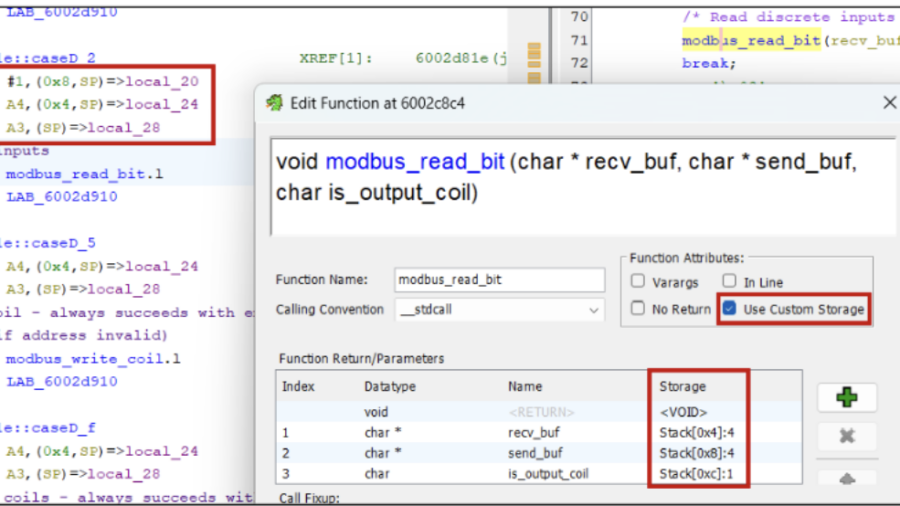
The article explains how to reverse engineer embedded firmware using Ghidra, covering techniques for loading firmware, identifying CPU architectures, analyzing functions, and using scripts/plugins to understand device logic and discover vulnerabilities.

A analyze the TP-Link Tapo C200 camera firmware by dumping flash via UART and U-Boot, reversing AES-encrypted rootfs headers, and modifying the firmware to gain remote root access for deeper dynamic security analysis of the device.
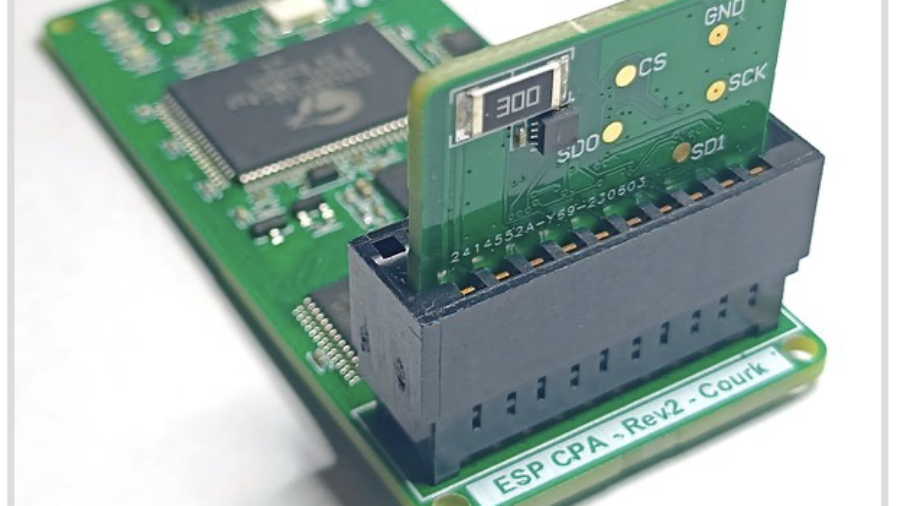
Researchers demonstrated that flash encryption on Espressif ESP32 chips can be broken using side-channel power analysis. By measuring power traces during AES operations, attackers can recover encryption keys and potentially decrypt firmware stored in flash memory.