
Attacking Samsung RKP

Attacking Samsung RKP: Three Bypasses of EL2 Kernel Protection on Exynos Devices

An original English rewrite of Alexandre Adamski’s 2021 Impalabs deep dive into Samsung’s Real-time Kernel Protection (RKP). The post walks through three independent vulnerabilities — CVE-2021-25415, CVE-2021-25416 and CVE-2021-25417 — that let a kernel-level attacker remap hypervisor memory as writable, sneak executable kernel pages through the “dynamic load” interface, and modify RKP-protected read-only kernel memory. All credit for the research belongs to the original author and Impalabs.

Header image — CVE-2024-27398 Linux Bluetooth SCO UAF article

CVE-2024-27398: Exploiting a Linux Bluetooth SCO Use-After-Free with SMEP Bypass

A full walkthrough of CVE-2024-27398, a race-induced use-after-free in the Linux 6.8 Bluetooth SCO subsystem. The exploit races two connect() threads on the same SCO socket to orphan a delayed-work timer, reclaims the freed sock with add_key(), forges a valid DEBUG_SPINLOCK pattern in the spray payload, and uses an xchg eax, esp ; ret gadget to pivot the kernel stack into userspace — bypassing SMEP with pure ROP and overwriting modprobe_path to get root.

Normal Callback call stack showing callback address visible in inspector

Callback Hell: Abusing Callbacks, Tail Calls, and Proxy Frames to Obfuscate the Stack

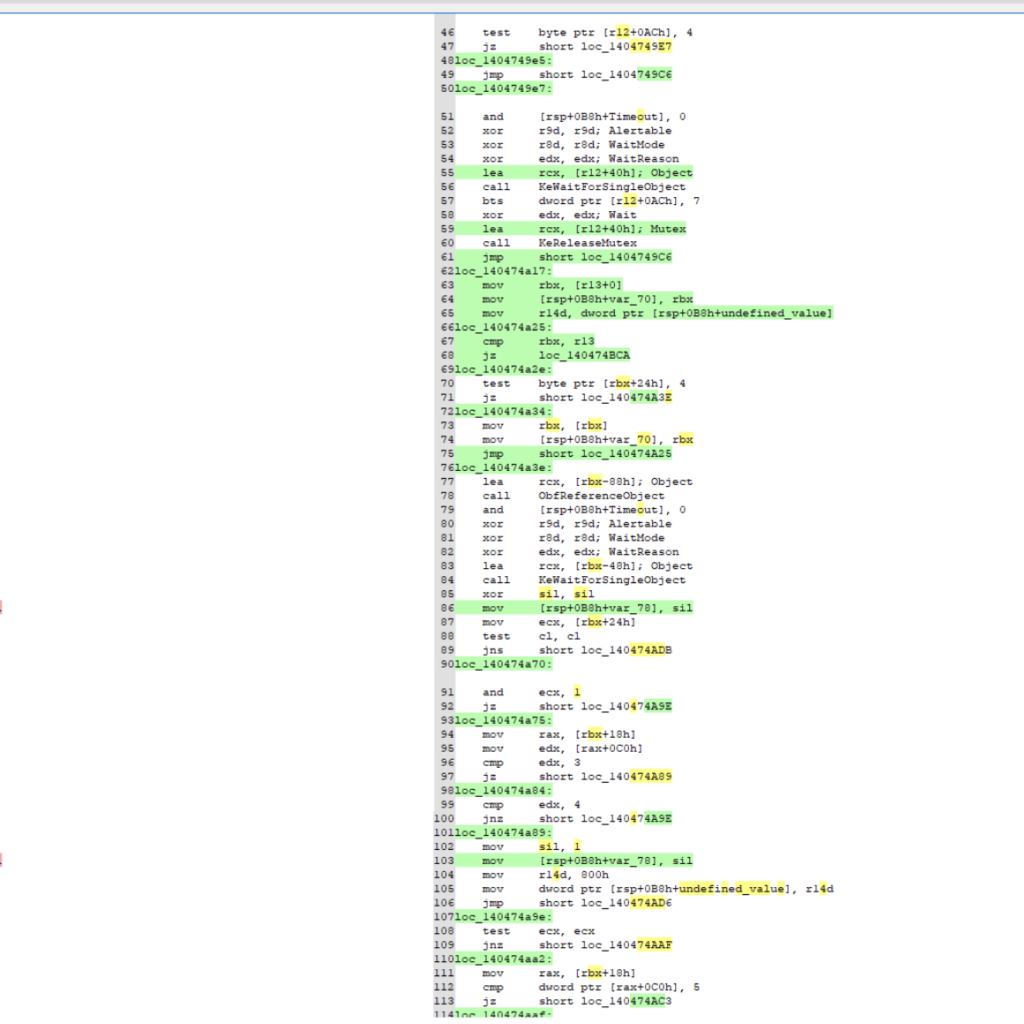
A walkthrough of klezVirus’ “Callback hell” — a technique that hides callback frames from stack inspectors by combining tail-calls, forward and backward proxy frames, and a chained thread-pool dispatcher, while still recovering the callee’s return value via a MOV [REG], RAX gadget. Published under CC BY 4.0 and republished here in full, with all original figures, assembly listings, and the POC video.

NASM CVE-2026-6068 attack demo (heap UAF to persistent RCE)

CVE-2026-6068 — NASM Heap UAF Turns Into Persistent RCE Through a Dependency-File Symlink Trick

A heap use-after-free in NASM’s response-file parser (CVE-2026-6068) sounds boring — until the dangling pointer is reused as a filename for fopen(). Project SEKAI’s breakingbad turns it into a deterministic, supply-chain-style persistent RCE that overwrites the victim’s ~/.bashrc through a 120-character heap-spray label, a shipped symlink, and the unescaped shell metacharacters in NASM’s Makefile-style dependency output. No ASLR, NX, PIE, RELRO or stack-canary bypass needed. Still unpatched at disclosure.

Primitive Process Injection: APC Tandem cover illustration

APC Tandem: A Primitive-Chaining Process Injection That Slips Past Common EDR Triggers

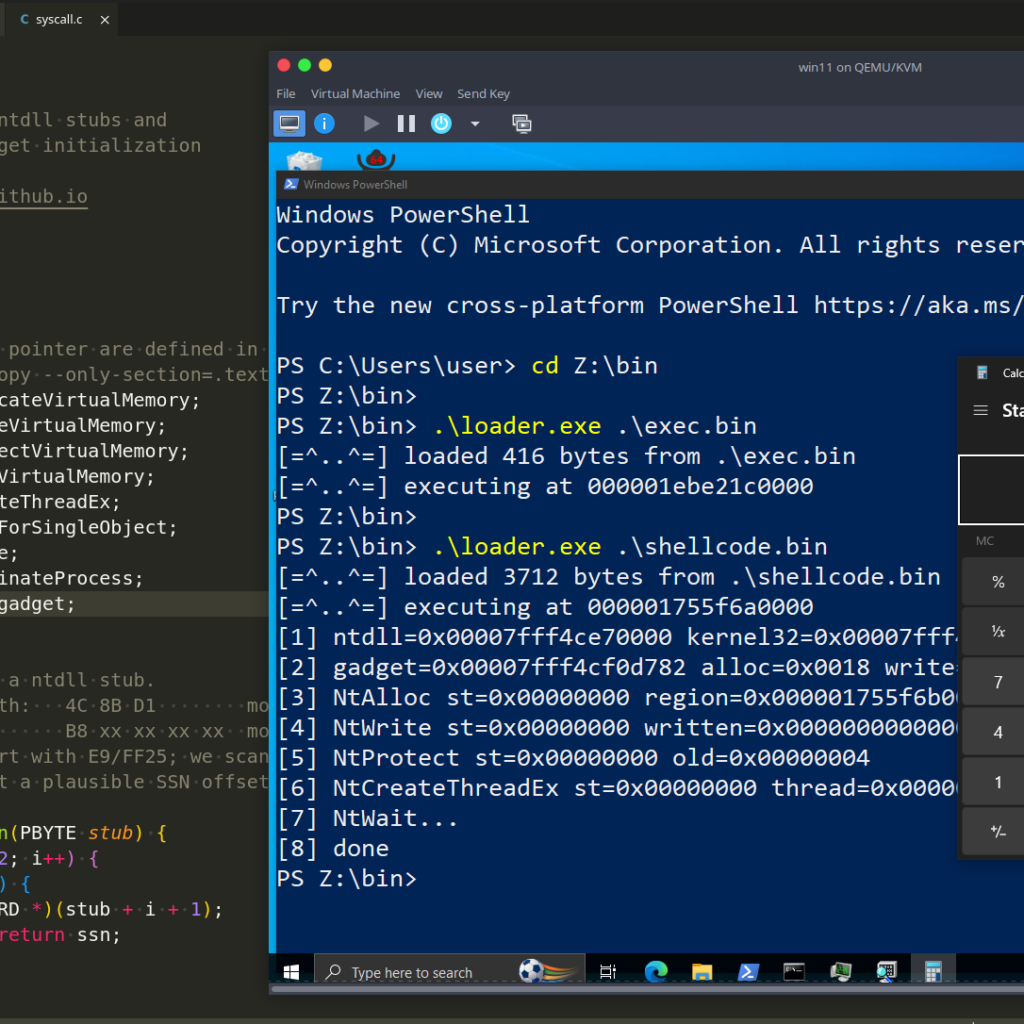
A walkthrough of “APC Tandem”, a stealth Windows process-injection technique that replaces WriteProcessMemory, CreateRemoteThread and VirtualAllocEx with a chain of less-watched primitives — thread description smuggling, paired GetThreadDescription/RtlMoveMemory APCs, and a Special User APC for execution.

BlueHammer: Exploiting Microsoft Defender Update Workflow to Leak SAM and Escalate to SYSTEM

BlueHammer: Exploiting Microsoft Defender Update Workflow to Leak SAM and Escalate to SYSTEM

BlueHammer shows how Microsoft Defender’s update workflow can be abused to redirect privileged file access to a Volume Shadow Copy. By exploiting filesystem races and NT namespace tricks, the technique leaks the SAM hive, extracts NTLM hashes, and enables privilege escalation to SYSTEM.