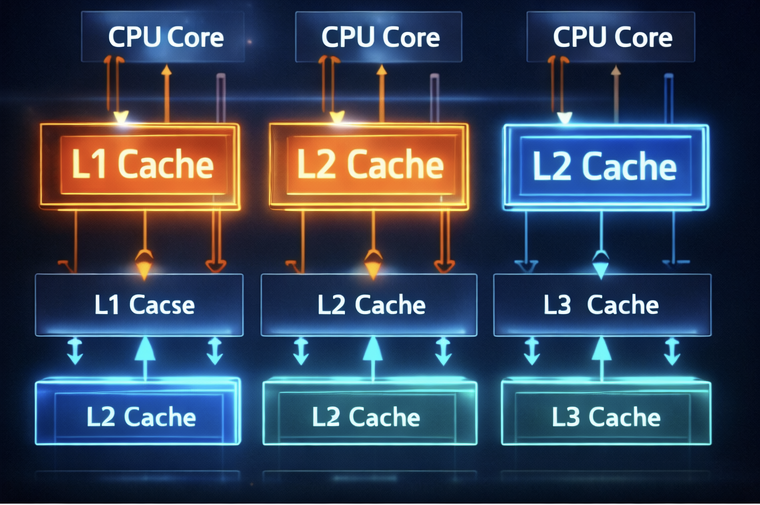
The article explains why modern CPUs use multiple cache levels (L1, L2, L3) instead of a single large cache. It discusses the trade-off between cache size and latency and shows how a cache hierarchy balances speed, capacity, and efficiency.
Rooting the TP-Link Tapo C200 Rev.5
A analyze the TP-Link Tapo C200 camera firmware by dumping flash via UART and U-Boot, reversing AES-encrypted rootfs headers, and modifying the firmware to gain remote root access for deeper dynamic security analysis of the device.
Breaking Flash Encryption on Espressif ESP32: Side-Channel Attacks Against Embedded Security
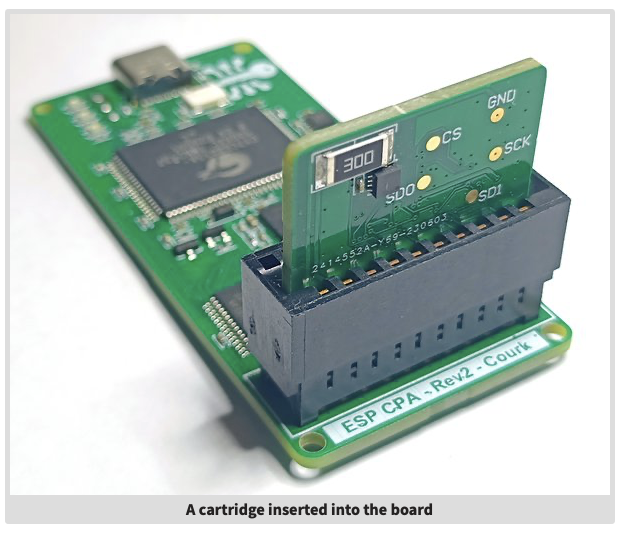
Researchers demonstrated that flash encryption on Espressif ESP32 chips can be broken using side-channel power analysis. By measuring power traces during AES operations, attackers can recover encryption keys and potentially decrypt firmware stored in flash memory.
ROP the ROM: Exploiting a Stack Buffer Overflow on STM32H5 in Multiple Ways
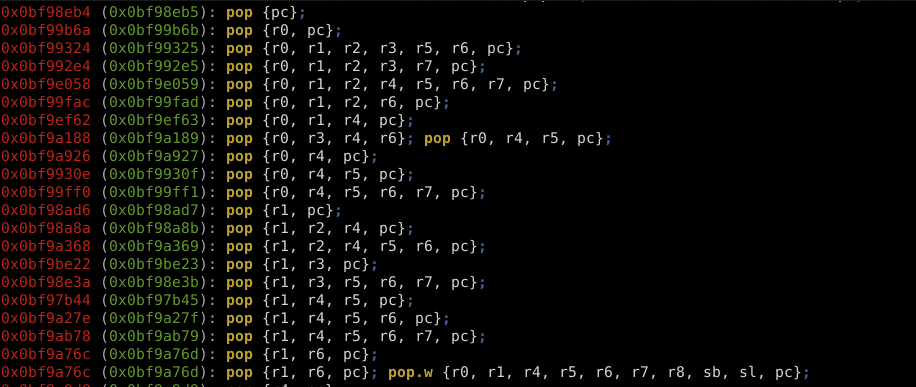
Article details exploiting a stack buffer overflow on an STM32H5. It demonstrates basic shellcode injection, then bypassing a non-executable stack (XN/MPU) using Return-Oriented Programming (ROP) with gadgets from the chip’s ROM code to dump firmware, showcasing advanced embedded exploitation techniques.